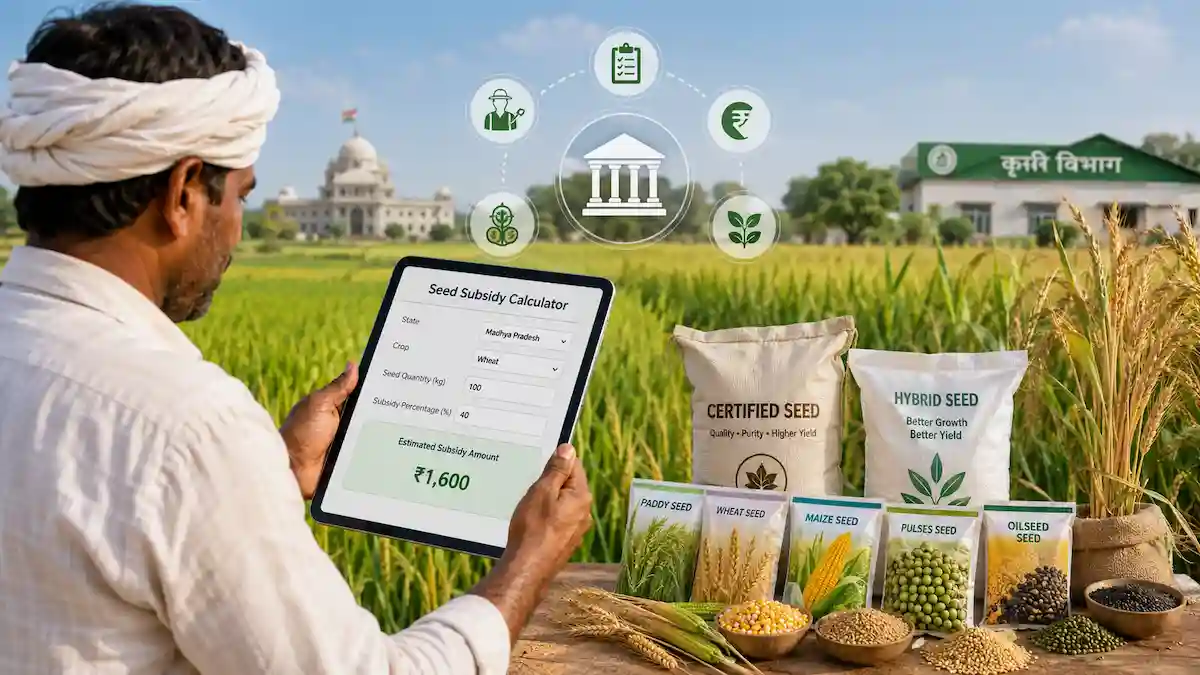
Empowering Indian Agriculture: Navigating the State-Wise Seed Subsidy Framework
For millions of Indian farmers, the accessibility of high-quality, certified, and hybrid seeds remains the cornerstone of agricultural productivity. Recognizing that the high cost of premium planting material can often be a barrier to adopting modern agricultural practices, the government has implemented robust seed subsidy programs. These financial assistance initiatives are designed to bridge the gap between market prices and affordability, ensuring that farmers can prioritize yield potential and crop resilience over upfront input costs.
The administration of these subsidies is a collaborative effort between the Central and State Governments. By lowering the financial burden on cultivators, these programs encourage the transition from traditional, low-yield seeds to certified varieties that offer better resistance to pests, diseases, and climate-related stressors. As digital transformation takes hold in the agricultural sector, the mechanism for distributing these funds has evolved, shifting toward transparent, technology-driven systems that ensure financial support reaches the intended recipients directly.
The Mechanics of Seed Subsidy Distribution
At its core, the seed subsidy is a targeted financial intervention aimed at promoting the use of quality inputs. The eligibility and quantum of the subsidy are not uniform; they are meticulously calculated based on a variety of parameters. These include the specific state of operation, the crop being cultivated, the category of the seed (such as foundation, certified, or hybrid), and the classification of the farmer—which often accounts for landholding size and social categories.
The distribution process has been streamlined significantly through the Direct Benefit Transfer (DBT) framework. By linking subsidy disbursements directly to the farmer’s verified bank accounts, the government has minimized administrative delays and curtailed the potential for leakages in the supply chain. Farmers are typically required to register through state-specific agricultural portals, providing proof of land ownership and details of their intended crop cycles. Once the documentation is verified, the subsidy amount—either as a predetermined percentage of the seed cost or a fixed per-kilogram rate—is credited to the farmer, effectively reducing their net expenditure on essential inputs.
Strategic Importance of Certified and Hybrid Seeds
The primary objective of the government’s subsidy strategy is to increase the Seed Replacement Rate (SRR) across the country. High-quality seeds are the foundation of any successful harvest, offering uniform germination, higher nutritional profiles, and improved tolerance to erratic weather patterns. When farmers utilize certified or hybrid seeds, they are better positioned to meet the demands of a changing climate and evolving market requirements.
State governments often tailor their subsidy packages to align with local agricultural priorities. For instance, a state focusing on pulses may provide higher incentives for certified pulse seeds compared to cereal crops. By aligning financial support with regional agronomic goals, the government not only assists the individual farmer but also steers the national agricultural landscape toward higher efficiency and improved food security. These subsidies effectively act as a catalyst for modernization, allowing small and marginal farmers to compete on a more level playing field with larger commercial operations.
What This Means for Farmers
For the farming community, navigating the subsidy landscape requires a proactive approach to digital literacy and documentation. To maximize the benefits of these programs, farmers should consider the following actionable steps:
- Stay Informed via Official Channels: Agricultural policies and subsidy rates are subject to updates based on seasonal requirements. Regularly monitor the official portals of your State Department of Agriculture to view the latest notifications regarding seed varieties and subsidy percentages.
- Maintain Accurate Documentation: Since the DBT mechanism relies on verified data, ensure that your land records, Aadhaar details, and bank account information are fully updated and synchronized. Discrepancies in documentation are the most common cause for subsidy disbursement failures.
- Verify Seed Certification: Only purchase seeds from authorized government-approved dealers. Subsidies are strictly applicable to certified and tagged seeds; purchasing unverified seeds from informal sources will disqualify the purchase from any government financial support.
- Plan Your Crop Cycles Early: Subsidy windows often open well before the sowing season. By planning your crop requirements in advance and completing the registration process early, you ensure that the financial assistance is available at the exact moment you need to purchase your inputs.
- Consult Extension Workers: Local agricultural extension officers are the best source of information regarding specific state-wise schemes. They can provide guidance on which varieties are best suited for your soil type and which are currently covered under the most favorable subsidy brackets.
By leveraging these government initiatives, farmers can significantly reduce their cost of cultivation while simultaneously upgrading the quality of their harvest, ultimately leading to higher profitability and more sustainable farm management practices.