Restoration Strategy Launched for South Gujarat’s Flood-Affected Orchards
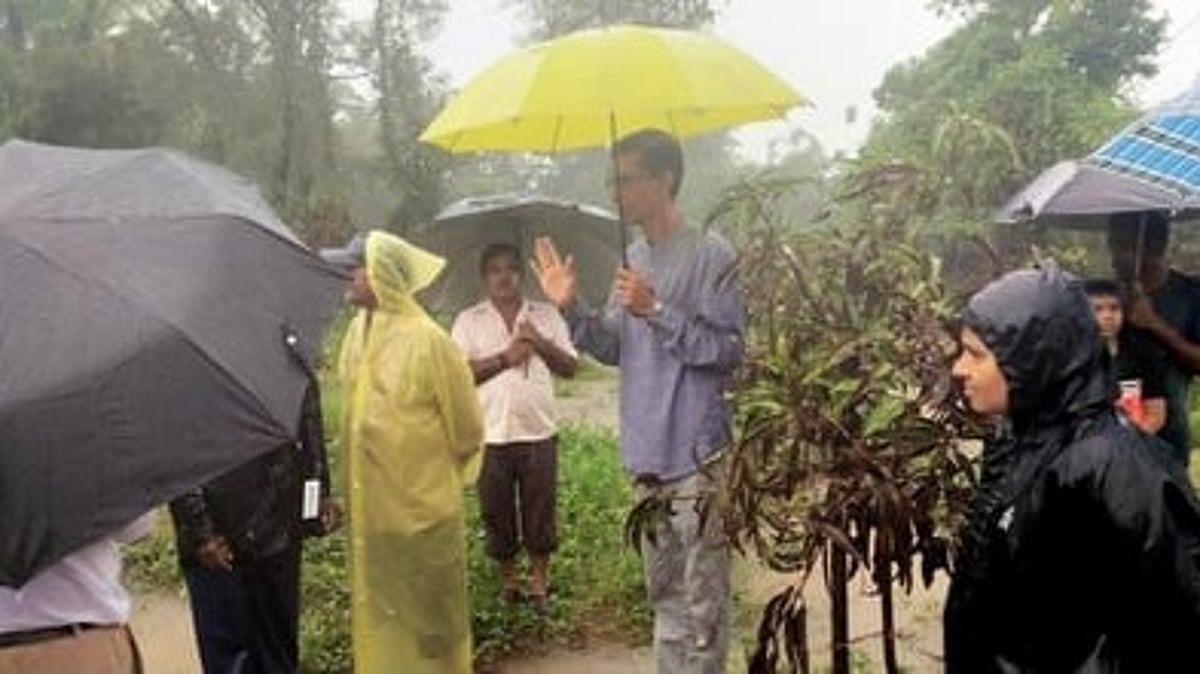
Following a period of severe weather events that left vast swathes of South Gujarat’s horticultural landscape submerged, agricultural scientists have initiated a comprehensive recovery program to assist local farmers. The initiative, spearheaded by regional agricultural research institutions, focuses on rehabilitating flood-hit orchards that have suffered from prolonged waterlogging, soil compaction, and root-zone suffocation. As the floodwaters recede, the primary challenge for growers has shifted from immediate survival to long-term orchard viability, prompting a coordinated effort to restore productivity through modern agronomic interventions.
Addressing Soil Health and Root-Zone Integrity
The primary damage in South Gujarat’s orchards is not merely surface-level debris; it is the physiological stress imposed on fruit-bearing trees by extended periods of standing water. When soil remains saturated for days, the oxygen supply to the root zone is effectively cut off, leading to anaerobic conditions that trigger root decay and the proliferation of soil-borne pathogens. Experts are now working closely with farmers to assess the extent of this subterranean damage.
The restoration protocol involves a multi-step approach. First, scientists are advising farmers on the careful removal of silt deposits that have hardened around the base of tree trunks, which can otherwise lead to fungal infections and collar rot. This is followed by the implementation of systematic soil aeration techniques, which are critical for restoring the gas exchange necessary for tree survival. By improving soil porosity, growers can help the root systems recover their ability to uptake water and essential nutrients, a process that is often delayed in compacted, flood-damaged soils.
Integrated Management and Disease Prevention
Beyond physical restoration, the recovery program emphasizes a rigorous integrated pest and disease management strategy. Post-flood environments are highly susceptible to outbreaks of opportunistic pathogens that thrive in damp, stagnant conditions. Agricultural advisors are educating farmers on the early identification of indicators such as leaf yellowing, wilting, and bark discoloration, which serve as early warnings of fungal colonization.
The use of targeted biological control agents and carefully calibrated soil amendments is currently being prioritized over heavy chemical interventions. This approach aims to restore the natural microbial balance of the soil while minimizing the additional stress placed on the trees during their delicate recovery phase. Furthermore, irrigation management has been recalibrated; farmers are being cautioned against over-watering in the immediate aftermath of the floods, as the compromised root systems are unable to process high volumes of water, which could otherwise lead to secondary root death.
What This Means for Farmers
The restoration efforts in South Gujarat offer a critical roadmap for producers looking to salvage their investments after climate-induced disasters. For the individual farmer, the primary takeaway is the necessity of a structured, patience-driven recovery process rather than a rushed attempt to force growth.
- Prioritize Drainage: Immediate post-flood action should focus on creating drainage channels to ensure any remaining stagnant water is directed away from the orchard floor.
- Monitor for Pathogens: Farmers should conduct daily inspections for signs of fungal activity, particularly at the graft union and the root collar, where moisture tends to persist longest.
- Strategic Nutrient Application: Avoid the application of high-nitrogen fertilizers immediately following a flood, as the weakened root system cannot assimilate these nutrients, potentially increasing the risk of salt buildup and further physiological stress. Instead, focus on soil conditioners that improve oxygenation.
- Long-Term Economic Planning: The current situation underscores the importance of soil health as a form of insurance. Growers are advised to incorporate organic matter and cover crops in future planting cycles, as these practices improve soil structure, allowing orchards to better withstand future heavy rainfall events.
While the path to full orchard recovery is long, the intervention of agricultural scientists provides a vital framework for stabilizing yields and protecting the livelihoods of South Gujarat’s horticultural community. By adhering to these science-backed restoration methods, farmers can mitigate the total loss of their crops and gradually return their orchards to a state of robust, sustained production.