Uncertainty Persists as Heavy Rainfall Disrupts Academic Schedules Across India
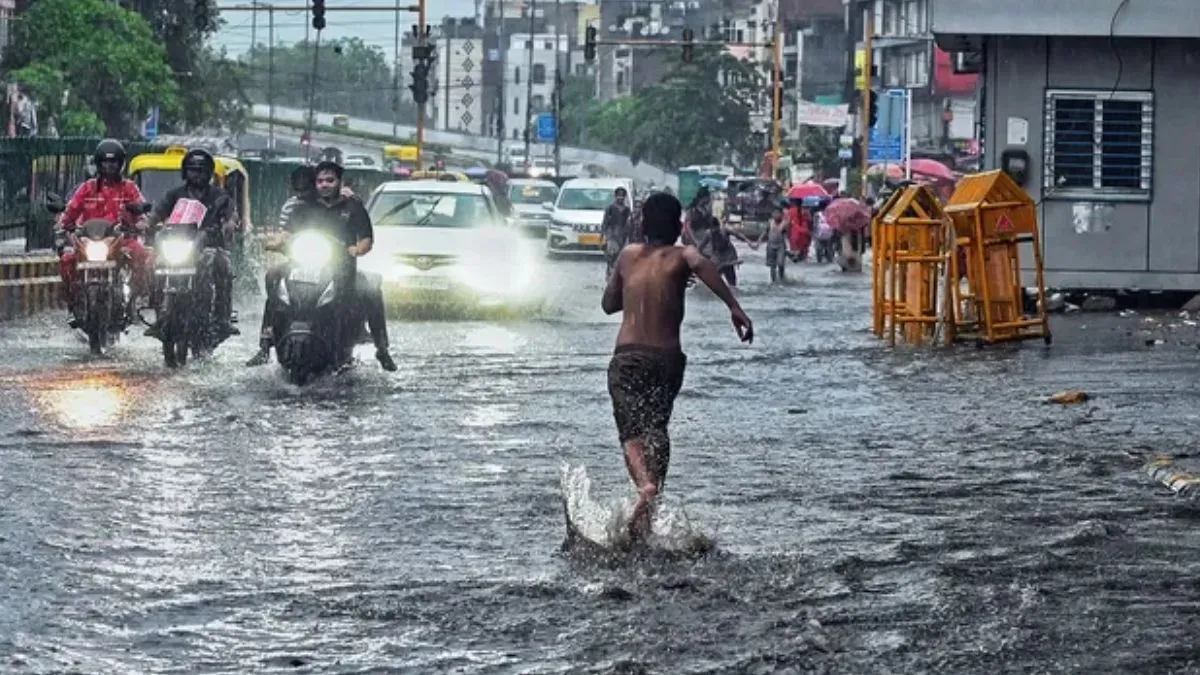
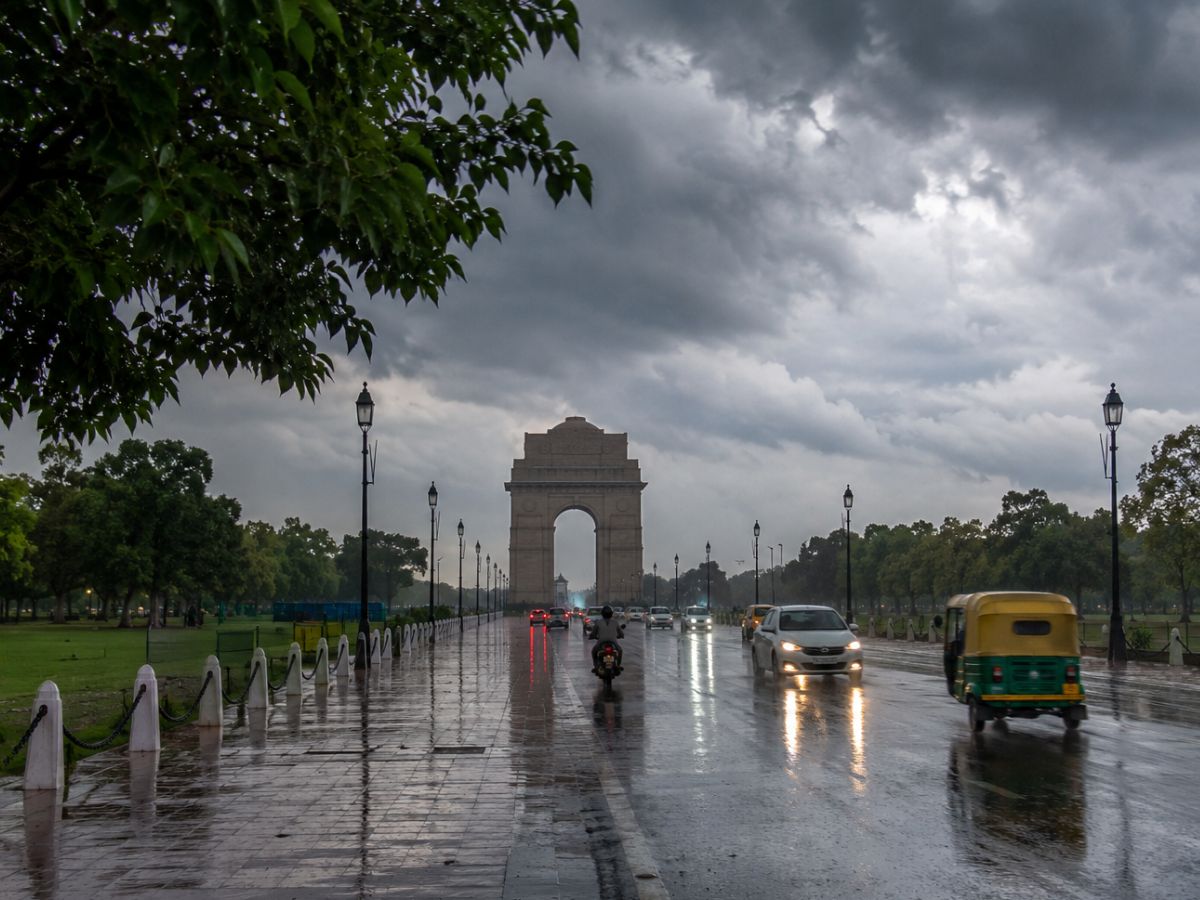
As the monsoon season reaches a period of heightened intensity, students and parents across several Indian states are facing significant uncertainty regarding the operational status of schools and colleges for July 30. While no centralized, nationwide mandate for school closures has been issued by federal authorities, local administrations are increasingly exercising their discretion to shutter educational institutions. This precautionary measure comes in response to severe weather advisories issued by the India Meteorological Department (IMD), which has flagged substantial risks including flash flooding, waterlogging, and potential landslides in vulnerable regions.
The current situation remains fluid, with district magistrates and local education boards monitoring real-time meteorological data to determine whether campus operations pose an undue risk to student safety. With heavy rainfall battering parts of Delhi, Mumbai, Uttarakhand, Gujarat, and Bihar, the primary concern remains the navigability of roads and the structural integrity of school premises in flood-prone zones.
Regional Weather Volatility and Administrative Response
The IMD’s latest bulletins indicate that the ongoing monsoon surge is characterized by deep convective clouds and persistent precipitation, which has overwhelmed drainage systems in several urban centers. In Mumbai, the combination of high tide warnings and heavy rainfall has historically necessitated swift intervention by municipal authorities to prevent students from being stranded during commute hours. Similarly, in the mountainous terrain of Uttarakhand, the threat of landslides and sudden surges in river levels makes the daily transit to schools particularly hazardous.
In regions like Gujarat and Bihar, where large swathes of rural infrastructure are susceptible to waterlogging, local authorities are prioritizing the safety of students over the continuity of the academic calendar. The decision-making process is decentralized, meaning that closures are often announced late at night or early in the morning based on the severity of overnight rain. Consequently, parents are being urged to rely exclusively on official district notices rather than unverified social media reports, as the operational status can change rapidly depending on local weather shifts.
The Impact of Climate Variability on Educational Continuity
The increasing frequency of these weather-related disruptions underscores a broader challenge for the nation’s education system: adapting to the impacts of climate change. Extreme weather events are becoming more frequent during the monsoon season, creating a recurring pattern of academic interruptions. Educational institutions are now being forced to grapple with the loss of instructional hours, prompting a renewed discussion regarding the integration of hybrid learning models that can bridge the gap when physical campuses are rendered inaccessible.
Beyond the immediate logistical challenges, the disruption of the school day affects broader societal functions, including the provision of mid-day meals and the stability of household routines. As meteorological patterns become more unpredictable, the reliance on rapid-response communication channels—such as official SMS alerts and verified district websites—has become a critical component of institutional management.
What This Means for Farmers
For the agricultural community, the heavy rainfall and flood alerts that necessitate school closures serve as a critical barometer for crop health and field conditions. The same weather systems causing academic disruptions are currently dictating the pace of the agricultural season across India’s core growing belts.
- Field Inundation Risks: Heavy rains in states like Bihar and Gujarat can lead to waterlogging in low-lying fields. Farmers are advised to ensure that drainage channels are cleared to prevent root rot in standing crops, particularly in paddy cultivation, which requires standing water but can be damaged by excessive, stagnant flow.
- Logistical Hurdles: Much like the transit difficulties faced by schools, farmers may encounter severe disruptions in the supply chain. Flooded access roads can delay the transport of perishables to local mandis and hinder the delivery of essential inputs such as fertilizers and pesticides.
- Livestock Safety: Farmers must prioritize the relocation of livestock to elevated, dry ground. High-intensity rainfall often carries the risk of vector-borne diseases and hoof-related infections; proactively monitoring animal health during this period is essential to prevent significant losses.
- Monitoring Local Advisories: Just as school administrations watch IMD alerts, farmers should treat these warnings as operational directives. Postponing fertilizer application during heavy downpours is crucial, as the nutrients will likely be washed away before they can be absorbed, resulting in both economic waste and environmental runoff.
In summary, while the uncertainty surrounding school schedules is a localized concern for families, it acts as a broader indicator of the environmental challenges currently facing the agricultural sector. Vigilance, proactive field management, and adherence to official weather advisories remain the best defenses against the volatility of the ongoing monsoon.