Navigating Operational Disruptions: Education and Agricultural Logistics Amidst Weather Extremes
As the monsoon season reaches a period of heightened intensity, educational institutions and rural communities across several Indian states are facing a dual challenge: the observance of Guru Purnima and the impact of severe weather systems. While social media speculation regarding a nationwide school holiday on July 29 has circulated widely, official directives confirm that there is no universal closure. Instead, school operations are being dictated by localized administrative decisions, largely driven by the India Meteorological Department’s (IMD) urgent weather advisories.
The convergence of cultural observances and extreme meteorological events serves as a stark reminder of the complexities involved in maintaining operational continuity during the peak of the monsoon. While students and staff in regions like Visakhapatnam face mandatory closures due to localized flood risks, other states remain in a state of flux, waiting for district-level authorities to assess the risk posed by heavy rainfall and waterlogging.
The Meteorological Impact on Regional Infrastructure
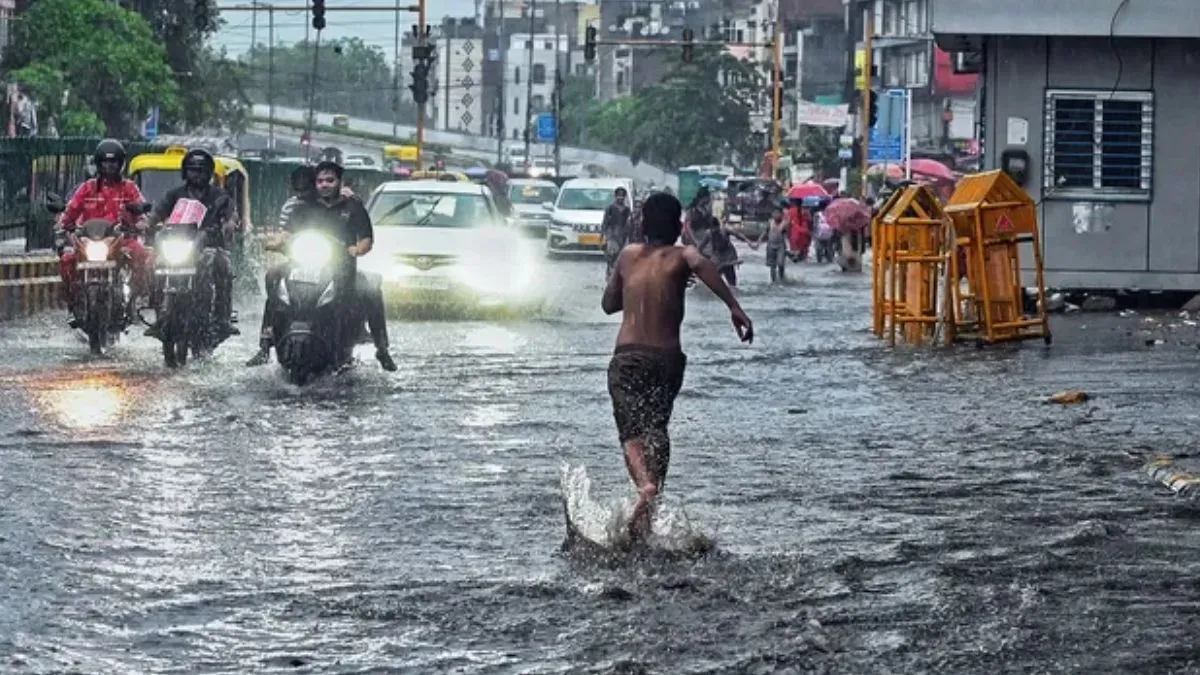
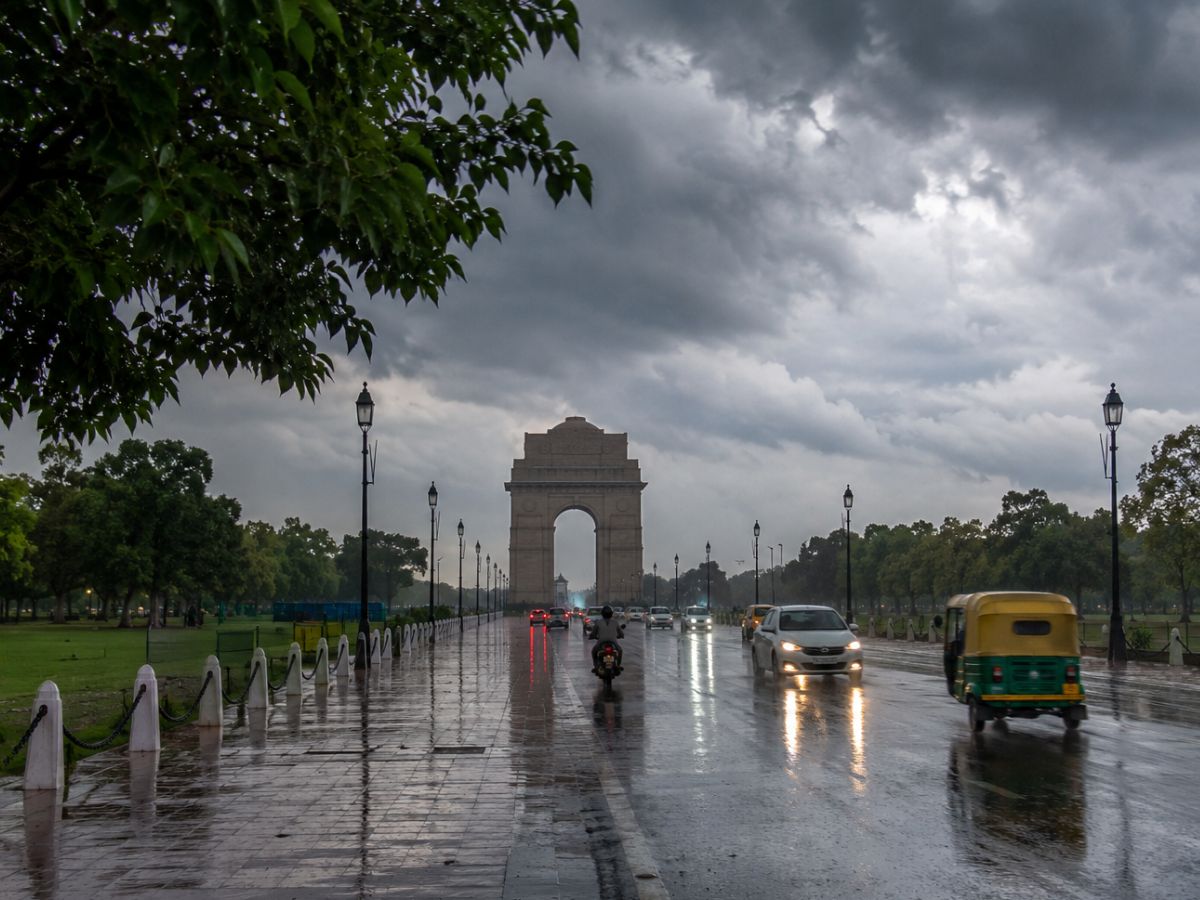
The IMD has issued a series of warnings for states including Delhi, Uttarakhand, Gujarat, and Bihar, where persistent heavy rainfall is disrupting daily life. From an agricultural and logistical standpoint, these weather patterns are critical. Excess moisture at this stage of the Kharif season can lead to significant soil saturation, increasing the risk of crop damage and hindering the movement of essential agricultural inputs.
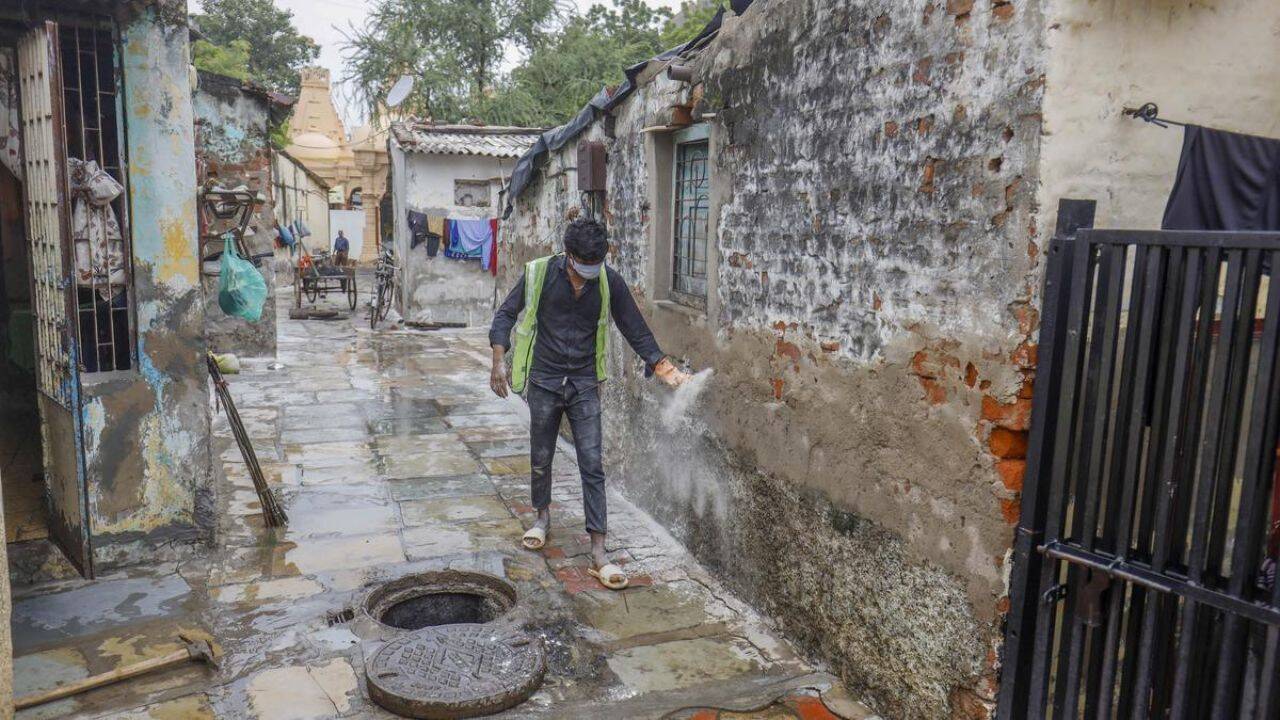
In regions like Uttarakhand and parts of Bihar, the primary concern remains the vulnerability of rural infrastructure. Heavy downpours often result in landslides and the breaching of rural access roads, which not only affects school attendance but also complicates the transportation of perishable farm produce to regional mandis. The current weather advisory highlights the need for heightened vigilance, as continued precipitation threatens to exacerbate drainage issues in low-lying agricultural zones, potentially delaying necessary field operations such as weeding and top-dressing of fertilizers.
Administrative Decision-Making and Localized Responses
The lack of a centralized holiday mandate for July 29 underscores the decentralized nature of disaster management in India. When schools and colleges remain open, the onus of safety falls upon local district collectors and municipal commissioners who must balance the educational calendar with the immediate safety of the student population. This approach allows for a granular response to weather patterns; for instance, while a major city might remain functional, a neighboring district suffering from heavy runoff may order an immediate shutdown.
For the farming community, this period of uncertainty mirrors the broader challenges of monsoon management. Just as administrators must weigh the necessity of keeping institutions open against the risks of travel during heavy rain, farmers must constantly assess whether current weather conditions permit safe field labor or if they must prioritize the maintenance of flood-mitigation systems, such as field embankments and drainage channels.
What This Means for Farmers
The combination of heavy rainfall alerts and the operational ambiguity of the current week carries several practical implications for the agricultural sector:
- Prioritize Field Drainage: With the IMD predicting sustained heavy rainfall, farmers should focus on ensuring that field drainage channels are clear of debris. Preventing waterlogging is paramount to avoiding root rot and nutrient leaching in standing crops.
- Monitor Local Mandi Updates: Logistics are frequently the first casualty of severe monsoon weather. Farmers should stay in close contact with local cooperative societies or mandi officials to receive updates on transport accessibility, ensuring that produce is not left stranded due to road closures.
- Safety First for Field Labor: Much like the decision-making process for schools, agricultural managers must prioritize the safety of field workers. During periods of heavy, continuous rain, it is advisable to pause manual labor to prevent accidents related to slippery terrain and to avoid compaction of saturated soil, which can severely damage soil structure.
- Input Application Timing: Avoid the application of granular fertilizers or pesticides during heavy downpours. Runoff will render these inputs ineffective and contribute to environmental pollution. Wait for a clear window of at least 24 hours to ensure that chemical applications remain effective and cost-efficient.
- Stay Informed via Official Channels: Ignore social media rumors regarding regional status updates. Rely exclusively on district-level government notifications or verified agricultural extension service alerts for information regarding market closures or emergency safety directives.