
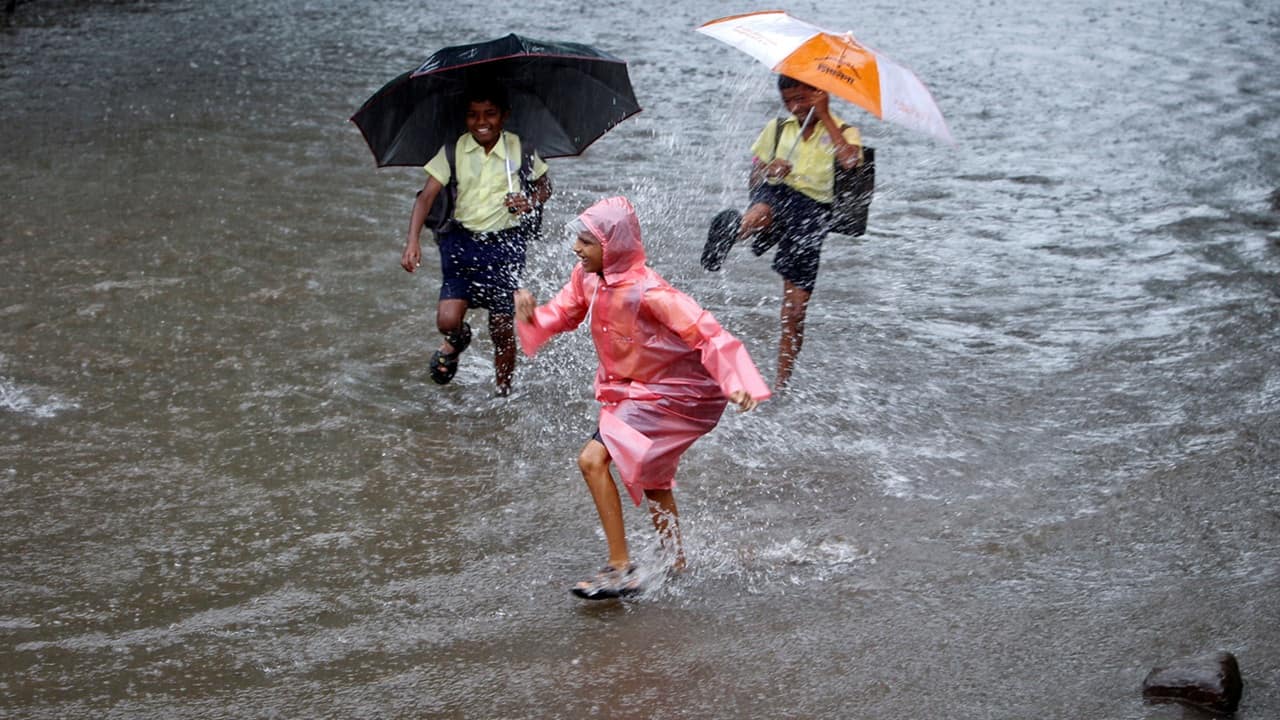
Uncertainty Persists as Districts Monitor Weather Alerts Ahead of July 31
As the final week of July progresses, educational institutions and rural communities across several states are bracing for potential disruptions. The India Meteorological Department (IMD) has issued high-alert warnings for heavy to very heavy rainfall across multiple regions, casting a shadow of uncertainty over school operations for July 31. While nationwide directives remain absent, the responsibility for managing student safety and institutional access has shifted to local district magistrates and education authorities, who are tasked with evaluating ground-level conditions in real-time.
The current meteorological outlook suggests that active monsoon troughs are creating conditions conducive to persistent, high-volume precipitation. For many rural districts, where school transport routes often traverse low-lying areas or rely on unpaved access roads, the primary concern remains the safety of students during transit. Authorities are currently synthesizing IMD data with local drainage and flood-risk assessments to determine whether a localized holiday is a necessary precaution to mitigate risks associated with waterlogging and hazardous travel.
Evaluating the Meteorological Impact on Rural Infrastructure
The intersection of peak monsoon activity and agricultural operational cycles creates a complex environment for rural infrastructure. Heavy rainfall does not merely impact schools; it disrupts the logistical networks that define agricultural life. When district authorities consider school closures, they are often implicitly acknowledging that the same weather patterns rendering roads unsafe for school buses also threaten the movement of essential farm inputs and the early-stage monitoring of standing crops.
From an agronomic perspective, the IMD’s heavy rain alerts serve as a critical signal for farmers to check drainage systems in fields, particularly for crops vulnerable to waterlogging. The same weather systems that necessitate school closures often trigger a pause in field operations. As schools await official notices, local farming communities are advised to prioritize the maintenance of field embankments and ensure that livestock are moved to elevated, dry shelters, as the potential for rapid rises in water levels remains high in the districts currently under the IMD’s watchlist.
Managing Logistics Amidst Monsoon Volatility
The administrative process for declaring a holiday is rarely uniform. Because weather patterns can shift within a matter of hours, district collectors and meteorological units are maintaining a state of high readiness. Parents and school administrators are encouraged to monitor official government portals and local news broadcasts rather than relying on unverified social media reports. The decision-making criteria typically hinge on the intensity of the projected rainfall, the vulnerability of the local infrastructure, and the ability of transport services to operate without significant risk.
For the agricultural sector, this period of volatility underscores the importance of resilient infrastructure. While a school holiday is a short-term measure to ensure physical safety, it highlights the broader necessity for regional preparedness against extreme weather events, which are becoming increasingly frequent during the monsoon season.
What This Means for Farmers
For those engaged in the agricultural sector, the ongoing weather alert provides several actionable takeaways:
- Monitor Local Directives: Do not rely on hearsay regarding school closures. If your household or farm operations rely on the movement of children or staff, check official district social media channels or local news outlets late in the evening or early in the morning for the most current updates.
- Prioritize Crop Drainage: If your region is under a heavy rain alert, shift focus from active field labor to infrastructure maintenance. Clear drainage channels to prevent water accumulation, which can lead to root rot and nutrient leaching in standing crops.
- Assess Transport Risks: If heavy rains are confirmed, anticipate localized flash flooding on rural roads. Avoid unnecessary travel, especially in low-lying areas, and ensure that farm machinery is stored in high-ground sheds to prevent damage from sudden water surges.
- Livestock Protection: Ensure that all livestock have access to dry, elevated shelter. Extreme monsoon events are often accompanied by a drop in temperature, which can impact the health of young or vulnerable animals; keep fodder dry and accessible within these shelters.
- Economic Planning: Recognize that persistent heavy rain may delay the delivery of fertilizers or seeds. Adjust your planting or maintenance schedules accordingly, and maintain open communication with local co-operatives or input suppliers to manage expectations regarding supply chain disruptions.


