Monsoon Deficit Strains National Water Security as Reservoir Levels Plummet
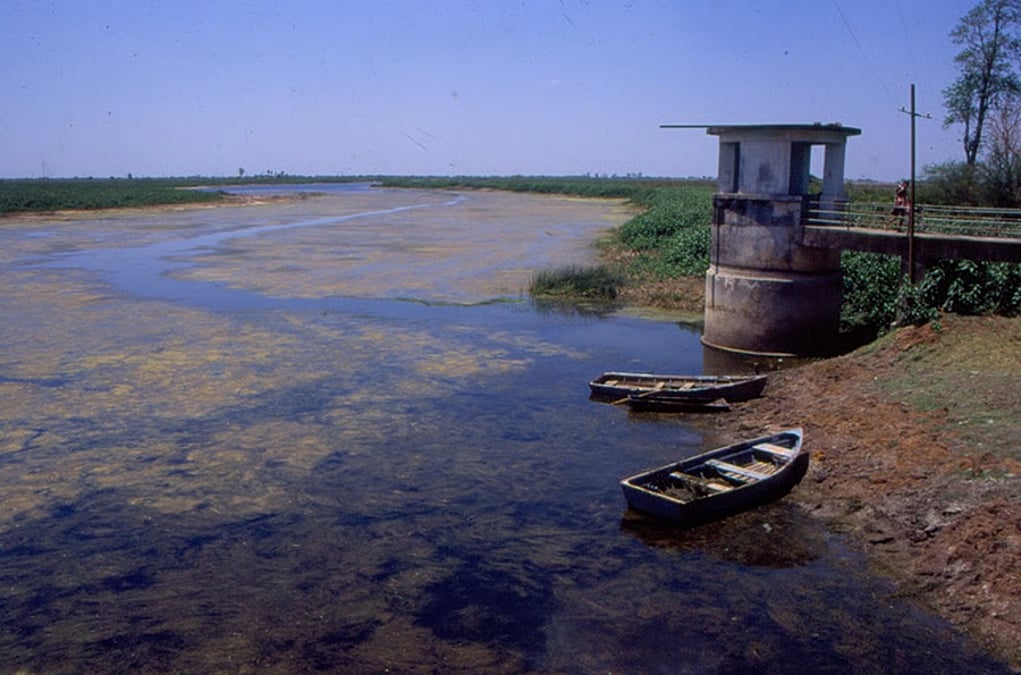
The latest hydrological assessment paints a sobering picture for India’s agricultural and industrial sectors as the monsoon season faces a significant 15% rainfall deficiency. Despite a brief period of near-normal precipitation during July, the cumulative deficit has left a lasting mark on the nation’s primary water infrastructure. Current data indicates that 54 major reservoirs across the country are operating at levels significantly below their long-term averages, with total live storage capacity currently tracking 36% lower than the figures recorded during the same period last year.
This widespread depletion of water reserves is triggering alarm bells among water management authorities and policy planners. The discrepancy between seasonal rainfall expectations and actual storage accumulation suggests that high evaporation rates, erratic distribution patterns, and pre-monsoon depletion have outpaced the replenishment provided by current weather systems. As the monsoon progresses, the focus is shifting from seasonal averages to the critical task of managing the remaining water reserves to sustain the country through the upcoming Rabi crop cycle and the ensuing dry months.
Regional Disparities and the Southern Crisis
While the deficit is a national concern, the impact is far from uniform. Southern India is currently bearing the brunt of the water crisis, with reservoir levels in the region showing the most drastic departures from historical norms. Several key basins that typically serve as the lifeblood for regional agriculture are struggling to maintain minimum operational levels. This regional disparity is particularly concerning given that the southern peninsula relies heavily on reservoir-fed irrigation systems to stabilize yields for water-intensive crops such as paddy and sugarcane.
The hydrological stress is not limited to agriculture; it is beginning to ripple into the broader economy. Many of these major reservoirs are multipurpose, providing not only irrigation water but also serving as the backbone for hydroelectric power generation and urban drinking water supply. When storage falls below critical thresholds, state agencies are often forced to implement difficult trade-offs. Priority is typically given to drinking water requirements, which necessitates a reduction in water releases for power plants and irrigation canals, potentially leading to localized energy supply fluctuations and reduced output in affected agricultural zones.
The Challenge of Inconsistent Rainfall Patterns
Meteorological experts suggest that the current storage crisis is a symptom of a broader shift in monsoon dynamics. While July rainfall provided a temporary reprieve, the overall deficit remains entrenched because of prolonged dry spells that occurred earlier in the season. These "breaks" in the monsoon prevent the sustained inflow required to saturate soil profiles and refill deep-seated reservoir basins. Furthermore, the intensity of rainfall events—where heavy downpours occur in short bursts—often results in increased runoff and siltation rather than effective storage, as many reservoirs reach their capacity to hold water safely during rapid inflow events.
This volatility complicates the task for dam operators who must balance the immediate need for storage with flood control mandates. As the climate becomes increasingly unpredictable, the reliance on historical inflow models is proving to be less effective, necessitating a more adaptive approach to water management that emphasizes storage efficiency and the mitigation of evaporative losses.
What This Means for Farmers
The current state of reservoir storage presents a clear economic and operational challenge for the farming community. With water availability potentially constrained in the coming months, farmers should prepare for a tightening of irrigation resources and a shift in water-use policies.
- Prioritize Water-Efficient Crops: Farmers in affected regions should consider transitioning toward less water-intensive crop varieties or shorter-duration cultivars that require fewer irrigation cycles to reach maturity.
- Invest in Precision Irrigation: The current deficit underscores the necessity of adopting micro-irrigation techniques, such as drip or sprinkler systems. These methods significantly improve water-use efficiency compared to traditional flood irrigation, ensuring that every drop is utilized effectively.
- Monitor Local Announcements: Agricultural extensions and state water departments will likely issue advisories regarding canal release schedules. Staying informed through local district agricultural offices can help farmers adjust their planting calendars to align with projected water availability.
- Soil Moisture Conservation: Implementing mulching and conservation tillage practices can help maintain existing soil moisture levels for longer periods, reducing the immediate dependency on supplemental irrigation during dry intervals.
- Economic Planning: Given the potential for reduced water supply, farmers should factor in the increased cost of pumping groundwater—should that be an option—or the risk of lower crop yields when planning their input expenditures and financial commitments for the remainder of the season.