Rising Floodwaters Heighten Risk of Leptospirosis in Coastal Agricultural Belts
As the monsoon season intensifies across India’s coastal regions, agricultural communities are facing more than just the threat of crop damage and soil erosion. Public health officials and physicians have issued urgent warnings regarding a seasonal uptick in leptospirosis, colloquially known as “rat fever.” The combination of severe rainfall, widespread waterlogging, and the displacement of rodent populations from their subterranean burrows has created a public health challenge that disproportionately affects those working in the fields and managing livestock.
Leptospirosis is a zoonotic disease caused by the Leptospira bacterium, which thrives in warm, humid conditions. During the monsoon, the contamination of standing water with the urine of infected animals—predominantly rodents—becomes a primary transmission vector. As agricultural workers navigate flooded paddies, irrigation channels, and waterlogged farmyards, the risk of exposure through minor skin abrasions or contact with mucous membranes increases significantly.
Understanding the Environmental Drivers of Transmission
The epidemiology of leptospirosis is inextricably linked to the agricultural cycle and the environmental shifts brought about by heavy rainfall. In coastal regions, where the water table is high and flooding is a recurring seasonal event, the conditions for the pathogen's survival are ideal. When heavy rains cause low-lying areas to flood, the bacteria are washed out of rodent burrows and into the surface water, where they can remain infectious for extended periods.
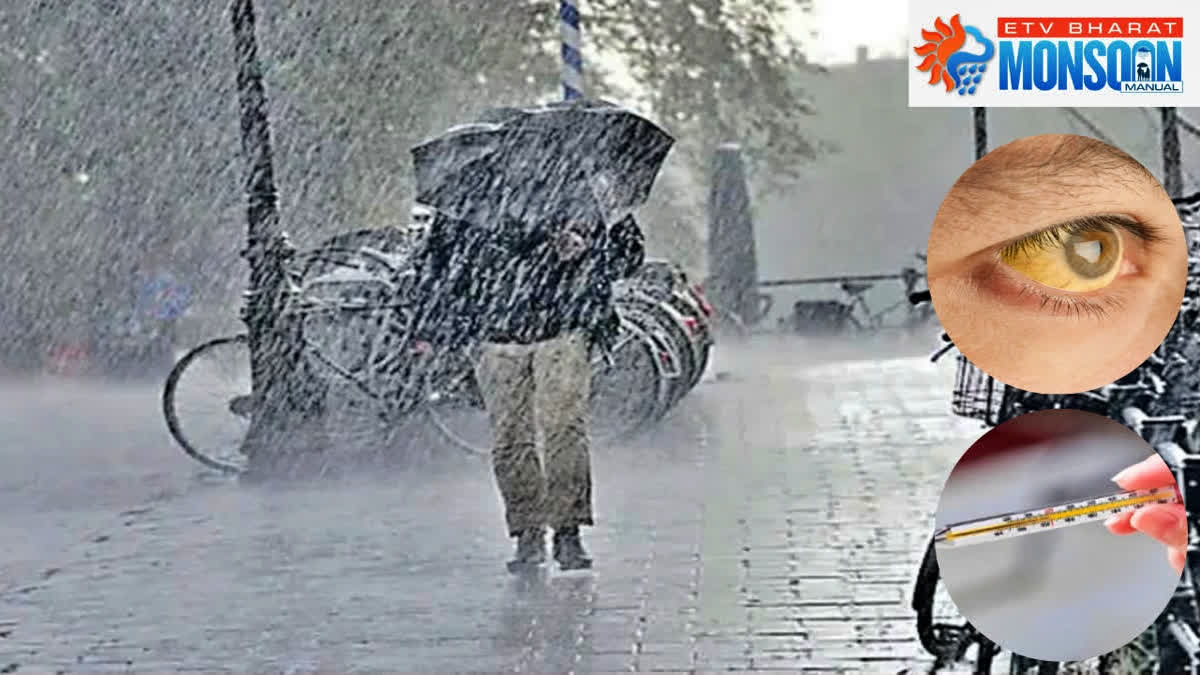
Medical professionals emphasize that the disease often presents with non-specific symptoms, which can lead to delayed diagnosis. Early indicators frequently mirror other seasonal ailments, including high fever, severe headaches, muscle pain—particularly in the calves—and jaundice. Because these symptoms can be mistaken for common viral fevers or influenza, the condition may progress to more severe stages before medical intervention is sought. In agricultural settings, the persistence of these symptoms should serve as an immediate red flag, necessitating professional diagnostic testing to differentiate leptospirosis from other monsoon-borne illnesses such as dengue or malaria.
Preventative Measures and On-Farm Hygiene
Mitigating the risk of rat fever requires a multi-faceted approach to farm management and personal protection. The most critical defense is the limitation of skin contact with potentially contaminated floodwaters. For farmers and field laborers, wearing protective gear—such as knee-high rubber boots and gloves—when working in waterlogged conditions is essential. Even small, seemingly insignificant scratches or cuts on the legs and feet can serve as entry points for the bacteria; therefore, covering these wounds with waterproof dressings is a vital preventative step.
Beyond personal protective equipment, sanitation remains the primary deterrent against the reservoir hosts of the disease. Rodent control programs should be intensified during the pre-monsoon and monsoon months. This includes clearing debris from farm perimeters, securing grain stores in elevated or rodent-proof containers, and reducing vegetation cover near living quarters to eliminate nesting sites. Furthermore, maintaining clean water sources and ensuring that livestock sheds are dry and well-drained can significantly reduce the local population of rodents and, by extension, the prevalence of the pathogen in the immediate environment.
What This Means for Farmers
For the agricultural sector, the impact of leptospirosis extends beyond individual health; it poses a direct threat to labor productivity and operational continuity during the critical monsoon cropping cycle. The economic consequences of an outbreak within a farming community can be severe, leading to significant absenteeism during peak labor periods and increased healthcare expenditures for rural households.
Actionable Advice for Producers:
- Prioritize Personal Protection: Do not wade through floodwaters barefoot. Invest in durable, waterproof footwear for all field staff.
- Wound Management: Treat all skin abrasions immediately with antiseptic and keep them covered. If working in water is unavoidable, use waterproof bandages.
- Rodent Management: Implement proactive pest control measures around warehouses, animal pens, and domestic areas to minimize rodent-human interaction.
- Early Symptom Recognition: If you or your workers experience persistent high fever and calf muscle pain after working in flooded fields, seek medical attention immediately. Early antibiotic treatment is highly effective and can prevent life-threatening complications.
- Health Awareness: Educate farm labor teams about the risks associated with stagnant water. Awareness is the first line of defense in preventing the spread of the disease across the workforce.
By integrating these health-conscious practices into daily farm management, producers can safeguard their most valuable asset—their workforce—and ensure that the monsoon season remains a period of productive growth rather than a time of preventable health crises.