Monsoon Surge Triggers Nationwide Alert Across 22 States
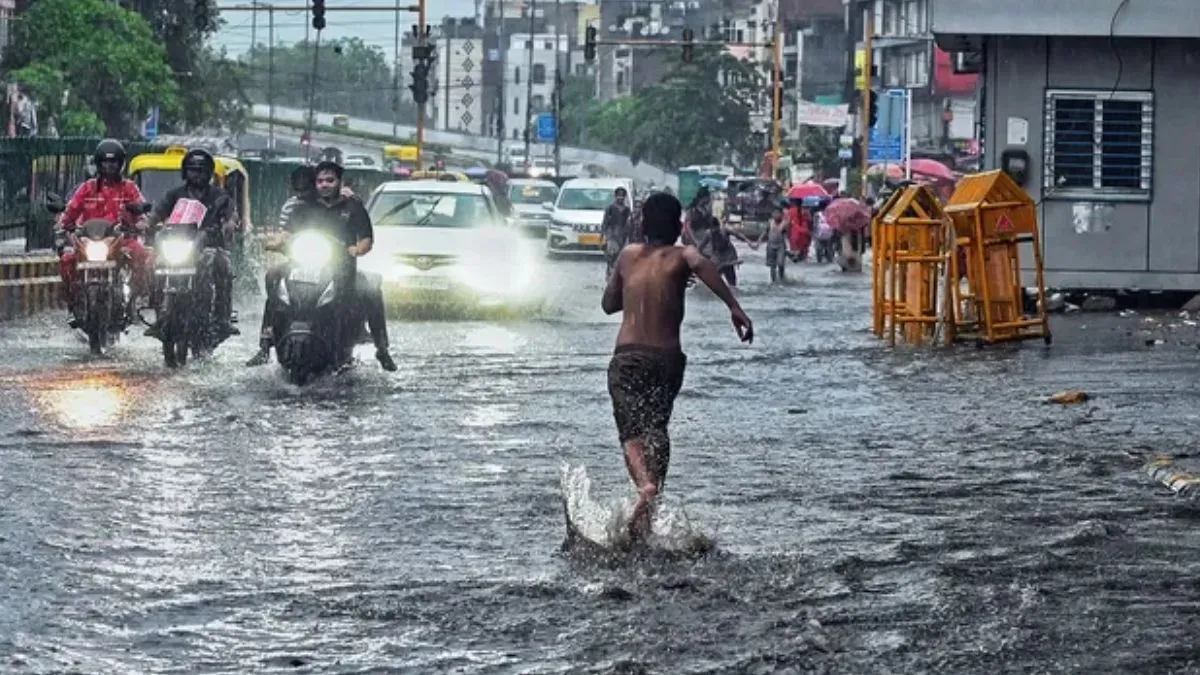
Agricultural regions across India are bracing for a significant shift in weather patterns as the monsoon system regains momentum, prompting meteorological authorities to issue widespread alerts for torrential rainfall. The current weather system is expected to impact 22 states, stretching from the northern plains of Delhi, Uttar Pradesh, and Bihar to the coastal belts of Gujarat and Kerala. With the monsoon becoming fully active, farmers and local administrations are being urged to prepare for heavy precipitation that brings both the promise of replenishing reservoirs and the immediate threat of crop damage and waterlogging.
The intensifying weather system is characterized by a high moisture influx, which meteorological experts suggest will result in widespread heavy rainfall. The alert encompasses a diverse geography, including Arunachal Pradesh, Jharkhand, Odisha, Chhattisgarh, Madhya Pradesh, East Rajasthan, Gujarat, Konkan-Goa, Madhya Maharashtra, Kerala, and Mahe. Additionally, the northeastern states of Nagaland, Manipur, Mizoram, and Tripura remain under close observation as the active monsoon front progresses. Beyond the threat of heavy rain, officials have warned of potential thunderstorm activity, which introduces the additional risk of lightning strikes and high-velocity winds capable of lodging standing crops.
Impact on Regional Agriculture and Infrastructure
The primary concern for the agricultural sector during this period of heightened monsoon activity is the risk of excessive soil saturation. In low-lying areas, particularly across the Indo-Gangetic plains, the threat of waterlogging is significant. Crops currently in the vegetative growth stage are particularly vulnerable to root rot and nutrient leaching when field drainage is inadequate. In regions like Bihar and Uttar Pradesh, where paddy cultivation is at a critical juncture, sustained torrential rain could lead to the submergence of fields, potentially hindering essential field operations such as top-dressing fertilizers or pesticide applications.
Furthermore, the anticipated storm activity poses a structural risk to horticultural crops and greenhouses. High-velocity winds associated with these storms can cause physical damage to fruit-bearing trees and vegetable trellises, which are already heavy with seasonal produce. In states like Gujarat and Madhya Maharashtra, the combination of heavy rain and wind necessitates proactive monitoring of field conditions. The meteorological department has highlighted that these weather events could lead to localized flooding, which not only disrupts agricultural operations but also complicates the logistics of moving produce to local market yards (mandis) due to the potential for road closures and infrastructure damage.
What This Means for Farmers
For the farming community, this period of extreme weather requires a shift from routine management to active risk mitigation. Farmers are advised to prioritize the following actions to protect their investments and ensure crop health:
- Ensure Field Drainage: Before the onset of peak rainfall, inspect and clear all drainage channels around fields. Preventing stagnant water is the most effective way to protect crop roots from suffocation and disease.
- Monitor Weather Advisories: Stay tuned to local meteorological updates and district-level agro-advisories. These services often provide specific guidance on when to suspend the application of fertilizers or chemicals to avoid wash-off and environmental runoff.
- Secure Infrastructure: For farmers involved in horticulture, ensure that support structures for crops like tomatoes, gourds, or creepers are reinforced. Covering harvested produce or inputs stored in open sheds is essential to prevent spoilage from moisture.
- Livestock Safety: Ensure that livestock are sheltered in dry, elevated areas away from potential waterlogging zones. Protect fodder stocks from rain to prevent the growth of harmful molds and mycotoxins, which can compromise animal health.
- Economic Vigilance: Be prepared for potential market volatility. Disruptions in transportation networks caused by heavy rain can temporarily affect supply chain flow, leading to price fluctuations in the local mandis. Planning harvests around these weather windows, if possible, can help mitigate post-harvest losses.
While the monsoon’s revival is essential for long-term water security and replenishing groundwater tables, the immediate challenge lies in managing the intensity of these rains. By taking preemptive measures to safeguard soil health and crop infrastructure, farmers can better navigate this period of heightened climatic instability.