Monsoon Intensifies: Red Alert Issued for Gujarat and Rajasthan as Heavy Rains Loom
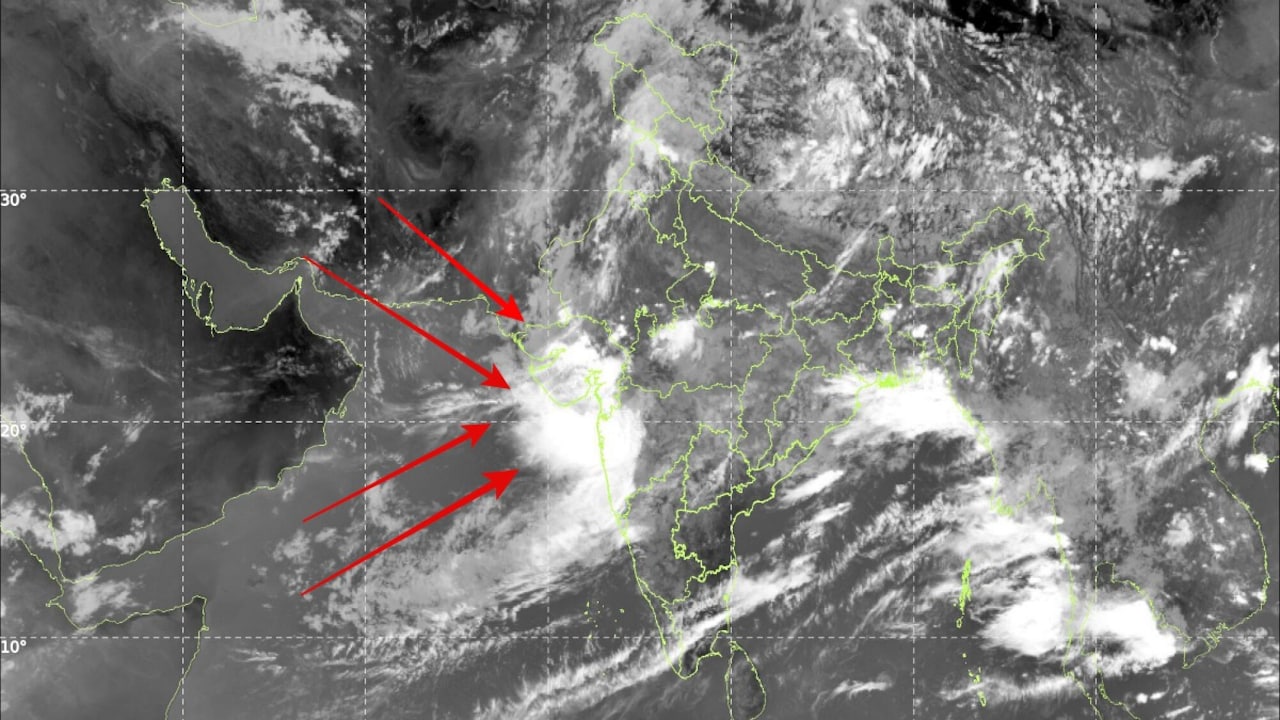
The Indian Meteorological Department (IMD) has issued a high-level "Red Alert" for parts of Gujarat and Rajasthan, signaling the onset of an exceptionally vigorous phase of the monsoon. The weather system, fueled by a deep depression over the region, is expected to bring widespread, heavy to extremely heavy rainfall over the coming 48 to 72 hours. This meteorological development poses significant challenges for agriculture, infrastructure, and rural communities across the western belt, as authorities scramble to mitigate the risks associated with potential flash flooding and severe waterlogging.
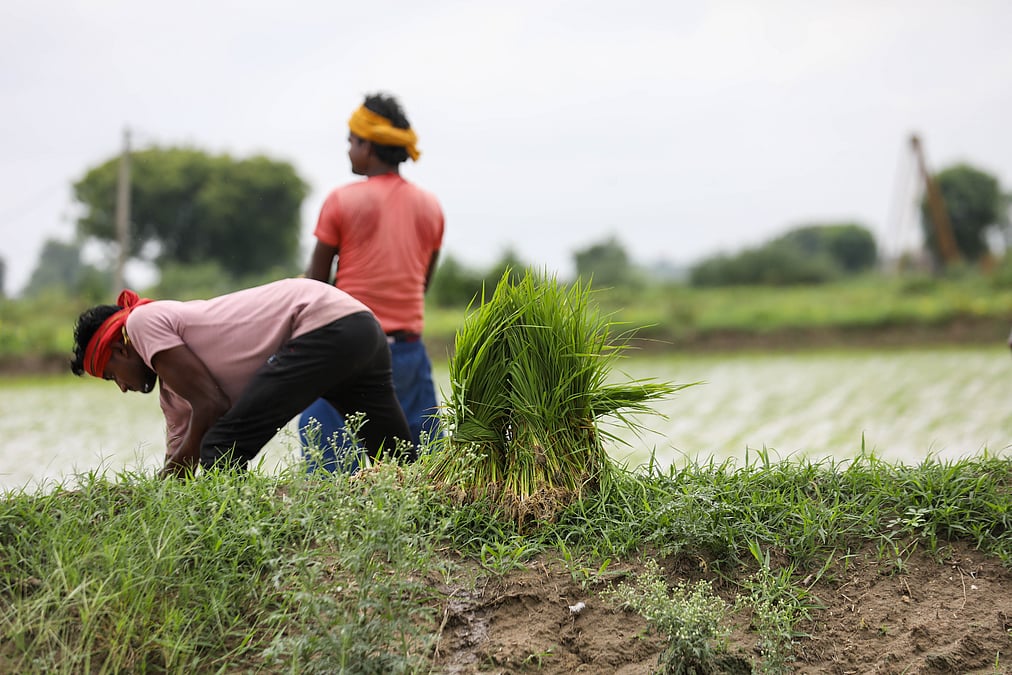
For the farming community, this sudden shift in weather patterns represents a critical juncture. While monsoon precipitation is the lifeblood of the Kharif cropping season, the concentration of such high volumes of water within a compressed timeframe threatens to reverse recent gains in crop development. Agricultural experts are closely monitoring the situation, as the intensity of the downpour risks damaging standing crops that are currently in sensitive stages of growth.
Assessing the Impact on Kharif Crop Vitality
In Gujarat, the state’s diverse agricultural landscape—ranging from cotton and groundnut fields to pulses—is particularly vulnerable to the current deluge. Excessive moisture at this stage of the season can lead to rapid soil saturation, which inhibits oxygen exchange in the root zone. When fields remain waterlogged for extended periods, crops such as groundnuts are susceptible to root rot and fungal infections, which can drastically reduce yield potential.
Similarly, in Rajasthan, where moisture management is usually a challenge of scarcity, the sudden influx of water presents a different set of obstacles. The arid and semi-arid tracts of the state are not accustomed to such heavy, concentrated rainfall, which increases the likelihood of soil erosion on sloped farmlands and the leaching of essential nutrients. Farmers in these regions are advised to ensure that field drainage channels are cleared immediately to prevent standing water from smothering the crop canopy, which could otherwise lead to stunted growth and increased pest susceptibility.
Operational Challenges and Infrastructure Strain
Beyond the immediate threat to standing crops, the extreme weather event is expected to disrupt rural supply chains. Heavy rains often render rural arterial roads impassable, complicating the transport of perishable agricultural inputs and the movement of harvested produce to local mandis. Furthermore, the high-velocity winds often associated with such intense monsoon systems can cause lodging in taller crops, such as maize and sorghum, making mechanical harvesting significantly more difficult and labor-intensive.
Local agricultural departments are currently coordinating with district administrations to provide real-time updates to farmers. The focus remains on preventing "waterlogging stress," a condition where the soil structure collapses under prolonged saturation, leading to long-term degradation of soil health. Extension services are urging farmers to monitor for signs of nutrient deficiency, as heavy runoff often washes away nitrogen-based fertilizers, potentially necessitating a top-dressing application once the ground dries sufficiently.
What This Means for Farmers
For farmers operating in the affected districts of Gujarat and Rajasthan, the immediate priority must be water management and crop protection. The following steps are recommended to mitigate potential losses during this red alert period:
- Prioritize Drainage: Ensure that all drainage outlets in the fields are unobstructed. Rapid evacuation of excess water is the single most effective way to prevent root suffocation and fungal outbreaks.
- Monitor Pest and Disease Vectors: High humidity and moisture are primary catalysts for diseases like bacterial blight and various fungal wilts. Farmers should scout their fields diligently for the first signs of discoloration or wilting and prepare to apply recommended fungicides once the rain subsides.
- Nutrient Management: Be prepared for the loss of nitrogen due to leaching. Consult with local agricultural extension officers regarding the timing of supplemental fertilization, as applying nutrients during a downpour is ineffective and economically wasteful.
- Infrastructure Security: Secure farm assets, including stored grains, animal shelters, and machinery, against wind damage and flooding. Ensure that livestock are moved to elevated, dry ground to prevent hoof-related diseases and exposure-related stress.
- Stay Informed: Continue to monitor local weather bulletins and district-level advisories. Do not rely on anecdotal reports; follow the guidance provided by the IMD and state agricultural departments, as these agencies are providing localized forecasts that are essential for tactical decision-making in the field.
While the monsoon remains the primary driver of agricultural prosperity in western India, the current red alert serves as a stark reminder of the volatility inherent in modern farming. By taking proactive measures to manage water and protect field health, farmers can work to minimize the damage and preserve the viability of their Kharif harvest.