
National Unrest and Legislative Shifts Intersect with Severe Monsoon Crisis
The current national landscape is defined by a volatile intersection of socio-political agitation and widespread environmental instability. As urban centers grapple with student-led protests regarding systemic failures in national examination integrity, the government has responded with significant legislative measures. Simultaneously, large swaths of the country are enduring the devastating early impacts of an aggressive monsoon season, forcing a dual focus on administrative accountability and emergency disaster response.
Legislative Response to Examination Integrity
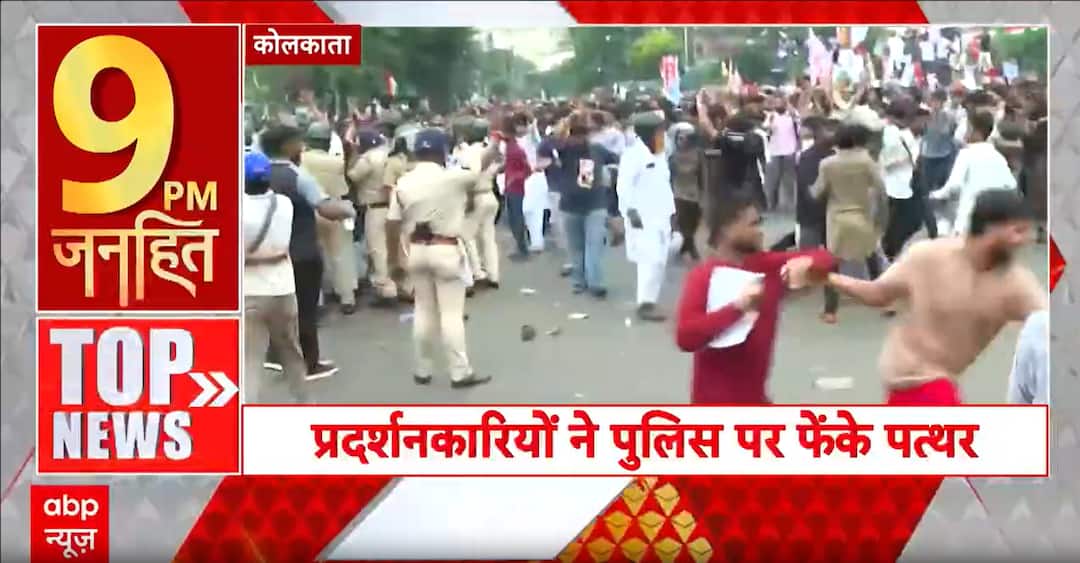
The ongoing controversy surrounding allegations of compromised national examinations reached a boiling point this week as protests intensified across major cities. In Kolkata, demonstrations led by the Students' Federation of India (SFI) escalated into violent confrontations, with reports of clashes between protestors and law enforcement, including incidents of stone-pelting. These events mirror a broader national discontent regarding the security of competitive examination processes.
In response to the mounting pressure, the Union Cabinet has moved to introduce a stringent paper leak amendment bill. This proposed legislation signals a hardening stance from the central government, with provisions that could see perpetrators facing up to 10 years of imprisonment and significant financial penalties reaching up to ₹10 crore. Meanwhile, high-level diplomatic and political maneuvering continues in Delhi. A pivotal meeting between government representatives and the CJP group took place, during which the latter laid out a series of demands, most notably the resignation of the Union Education Minister. While the initial two-hour dialogue concluded without a resolution, further negotiations are scheduled to resume, reflecting the government's attempt to quell public unrest through official channels.
Monsoon Extremes and Global Security Concerns
While urban centers contend with political gridlock, rural and regional landscapes are battling the physical forces of an intensifying monsoon. States including Gujarat, Himachal Pradesh, and Jammu & Kashmir have reported severe weather-related incidents, ranging from flash floods and landslides to localized cloudbursts. These events have necessitated large-scale rescue operations, as infrastructure is tested by unprecedented rainfall. The destruction of standing crops and the disruption of transport networks remain primary concerns for local administrations in these regions.
These domestic challenges are unfolding against a backdrop of global instability that continues to influence market sentiments. International reports of explosions near military installations in Erbil and casualties stemming from regional strikes have added a layer of geopolitical uncertainty. Furthermore, ongoing conflicts involving drone attacks in Russia and Ukraine contribute to a climate of global volatility, which often has indirect, yet significant, ripple effects on the supply chains and input costs that define the modern agricultural economy.
What This Means for Farmers
For the agricultural community, these developments carry both immediate and long-term implications. The most pressing concern is the erratic monsoon weather, which threatens the current kharif sowing season. Farmers in the affected states of Himachal Pradesh, Gujarat, and Jammu & Kashmir must prioritize the maintenance of field drainage systems to prevent waterlogging, which can lead to root rot and nutrient leaching in standing crops. In regions prone to landslides and cloudbursts, crop insurance documentation should be prioritized immediately; farmers are advised to notify their insurance providers or local agricultural offices within the stipulated 48-to-72-hour window following any weather-related damage to ensure eligibility for claims.
From an economic perspective, the legislative focus on national security and administrative reform—while seemingly removed from the field—often dictates the shifting priorities of government spending. Farmers should anticipate that state resources may be temporarily diverted toward disaster relief and security-related legislative implementation. Furthermore, global geopolitical tensions often correlate with fluctuations in the price of imported agricultural inputs, such as fertilizers and fuel. It is advisable for producers to monitor local market trends closely and consider hedging strategies for input procurement where possible. Staying informed through official agricultural extension services remains the best defense against the dual uncertainties of climate-driven crop loss and broader economic instability.


