The Shifting Monsoon: Adapting to India’s New Climate Reality
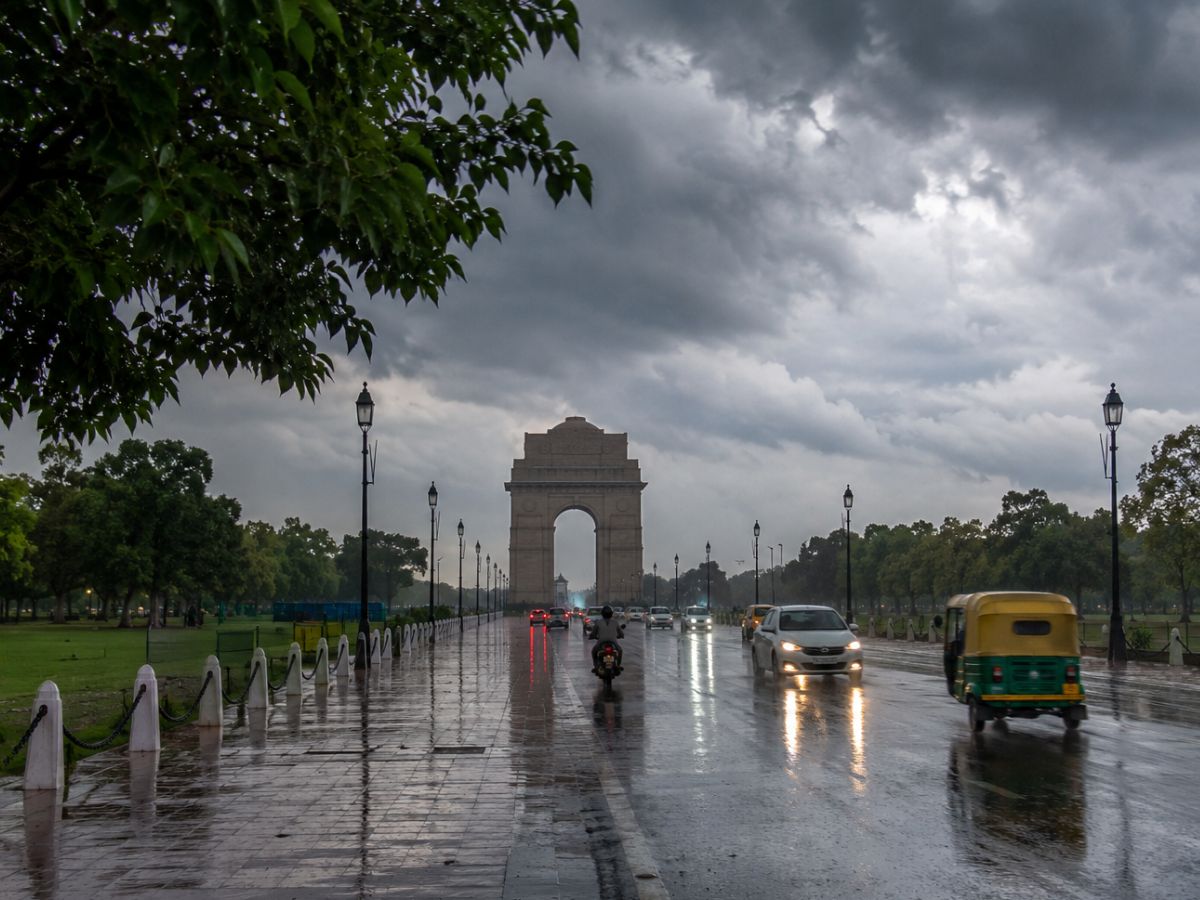
The traditional rhythm of the Indian monsoon, once a reliable engine for the nation’s agrarian economy, is undergoing a profound and troubling transformation. For generations, the seasonal rains followed a predictable pattern, allowing farmers to synchronize planting cycles with the gentle arrival of moisture. However, recent meteorological data indicates that the monsoon has transitioned into a regime of extremes, characterized by concentrated, high-intensity downpours interspersed with prolonged, damaging dry spells. This departure from historical norms is forcing a systemic re-evaluation of how the agricultural sector manages water, crops, and disaster risk.
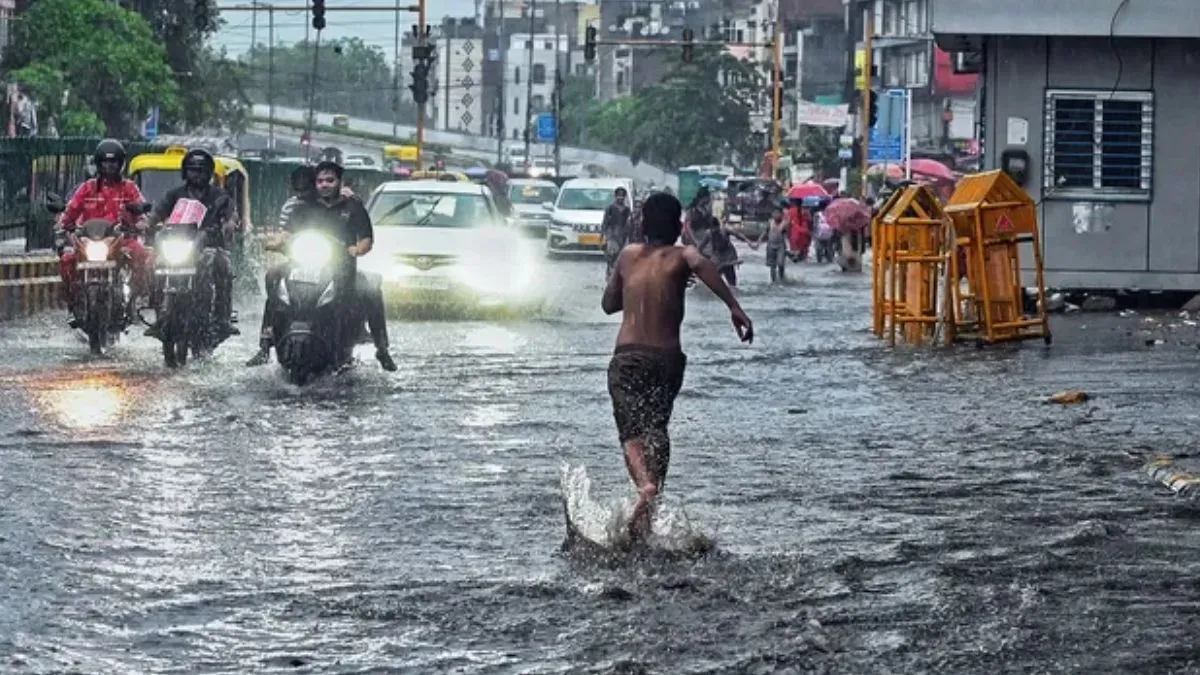
The shift is not merely a matter of anecdotal observation; it is a measurable trend. Climatological analysis confirms that the frequency of extreme rainfall events—where a massive volume of water falls within a very short timeframe—has surged significantly. This "pulse" style of precipitation creates a paradox of scarcity and surplus. When rain falls in such intense bursts, the ground often lacks the permeability to absorb the water effectively, leading to rapid runoff, severe soil erosion, and catastrophic flooding, even while underlying water tables may remain depleted due to the lack of steady, soaking rains.
Infrastructure and the Economic Burden of Volatility
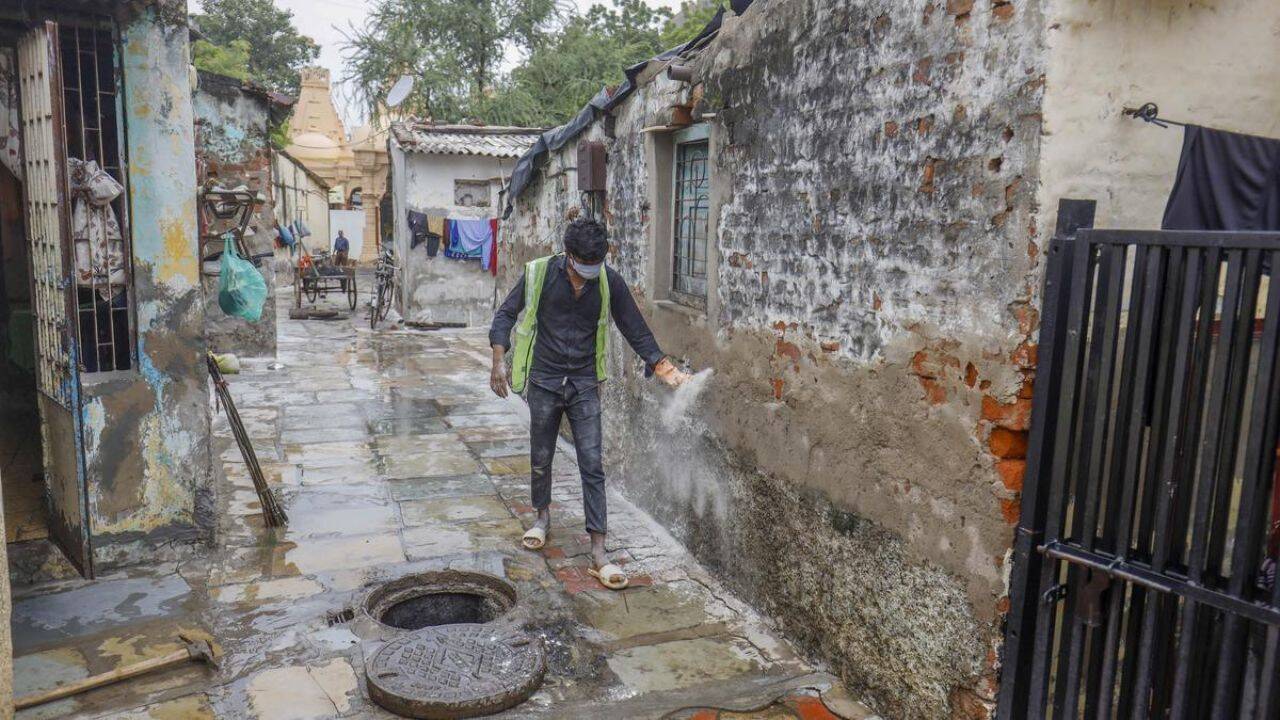
The economic implications of this new monsoon paradigm are staggering. Across the Indian subcontinent, and indeed throughout much of Asia, the burden of climate-related disasters is growing heavier. When heavy downpours overwhelm drainage systems and river basins, the resulting floods inflict substantial economic losses annually, damaging critical infrastructure, destroying standing crops, and displacing rural communities. This cycle of destruction is compounded by the fact that traditional disaster management strategies were designed for the monsoon of the 20th century—a system that functioned on steady, seasonal distribution rather than the volatile, high-impact events currently observed.
The agricultural sector, which remains the backbone of the Indian economy, is the most vulnerable to these shifts. Unlike industrial sectors that can often buffer against weather volatility, farming relies on the precise timing of moisture. When dry spells extend beyond the expected window, seedlings fail to germinate; when extreme rain hits during the harvest stage, yield quality plummets and post-harvest losses skyrocket. The cumulative effect of these losses is a major drag on the national GDP and a persistent threat to food security, necessitating a shift in policy from reactive disaster relief to proactive, climate-resilient development.
What This Means for Farmers
For the farming community, the changing monsoon necessitates a fundamental pivot in operational strategy. The era of relying on traditional almanacs and historical planting dates is fading; in its place, farmers must adopt a more data-driven and flexible approach to agronomy.
- Investment in Water Harvesting: Given that the monsoon now delivers water in short, violent bursts, farmers must prioritize on-farm water storage. Constructing farm ponds and check dams is no longer an optional improvement but a necessity to capture excess runoff that would otherwise cause erosion, allowing it to be used during the inevitable dry spells.
- Adoption of Climate-Resilient Varieties: Agronomists are increasingly recommending the use of short-duration crop varieties that can reach maturity faster, allowing farmers to "escape" the period of peak monsoon volatility. Additionally, drought-tolerant and water-logging-resistant seeds are becoming essential tools for mitigating the risks of the new climate cycle.
- Diversification of Income: Relying solely on a single rain-fed crop has become a high-stakes gamble. Diversifying into livestock, horticulture, or agroforestry can provide a financial buffer when monsoon volatility leads to a primary crop failure.
- Engagement with Early Warning Systems: Farmers should actively utilize regional meteorological updates and local agro-advisory services. While the monsoon itself is becoming less predictable, the ability to forecast short-term extreme events has improved. Adjusting field activities—such as delaying fertilizer application or accelerating harvesting—based on these alerts can significantly minimize losses.
Ultimately, the changing monsoon represents a call to action for the entire agricultural ecosystem. Transitioning to sustainable soil health practices, such as increasing organic matter, can improve the soil’s ability to act as a sponge, holding onto moisture during dry periods and preventing the flash-flooding effects of heavy rainfall. By evolving these practices, the agricultural sector can begin to build the resilience necessary to navigate the uncertainties of a shifting climate.