The Discipline of Longevity: Analyzing the Wellness Regimen Sustaining Prime Minister Narendra Modi
In an era where the demands of high-stakes governance often lead to burnout and sedentary lifestyles, the daily routine of Prime Minister Narendra Modi has emerged as a subject of significant interest among health enthusiasts and agricultural leaders alike. At 75, the Prime Minister maintains a schedule characterized by rigorous physical discipline and metabolic management that defies conventional aging patterns. By integrating ancient Vedic wellness principles with modern time-restricted habits, his routine offers a unique case study in sustainable energy management for those working in physically and mentally taxing sectors, including the agricultural landscape.
The Science of Circadian Discipline and Metabolic Rest
Central to the Prime Minister’s health philosophy is the concept of metabolic flexibility, achieved largely through strict temporal control over nutritional intake. By consistently abstaining from food after 6:00 PM, the Prime Minister practices a form of intermittent fasting that allows the body’s digestive system to enter a prolonged state of rest. From an agronomic and physiological perspective, this practice helps stabilize insulin levels and promotes cellular autophagy—the body’s natural process of clearing out damaged cells.
Furthermore, his reported sleeping pattern of just 3.5 hours highlights a highly optimized approach to rest. While sleep science generally advocates for longer durations, the quality and consistency of his rest appear to be bolstered by his meditative practices. Experts in human performance suggest that such a disciplined approach to rest, when coupled with a low-stress mental state, can allow for high-level cognitive function despite a shortened duration of sleep. This rigid adherence to a schedule ensures that the body’s internal clock remains synchronized, preventing the hormonal fluctuations often associated with erratic work-rest cycles.
Integrating Ancient Practices: Yoga and the ‘Panchtatva’ Philosophy
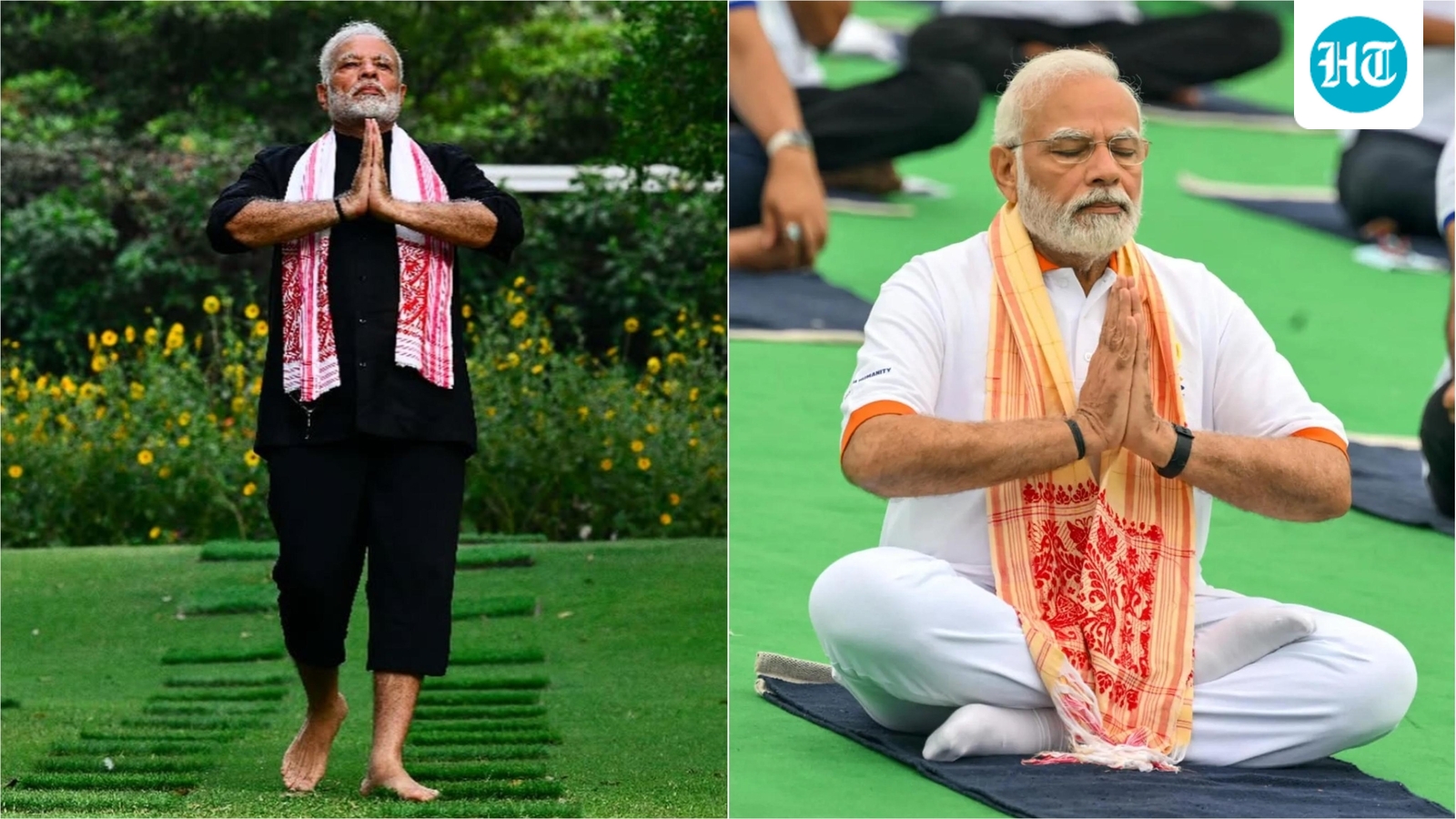
Beyond nutritional timing, the Prime Minister’s physical fitness is anchored in the integration of Yoga and what are described as "Panchtatva" walks. The term Panchtatva refers to the five elements of nature—Earth, Water, Fire, Air, and Ether—a foundational concept in traditional Indian wellness systems. These walks are not merely exercise; they are a mindful engagement with the natural environment, designed to ground the individual and reduce the cortisol levels that typically rise during high-pressure decision-making.
Yoga, practiced consistently for decades, serves as the primary tool for maintaining joint mobility, respiratory efficiency, and muscular balance. For those engaged in physically demanding labor, such as farmers and land managers, these practices underscore the importance of functional movement. By focusing on flexibility and breath control, the Prime Minister maintains a level of physical resilience that supports his demanding schedule. These habits emphasize that long-term physical health is not found in sporadic, high-intensity workouts, but in the daily, rhythmic integration of movement and mindfulness.
What This Means for Farmers
For the agricultural community, the Prime Minister’s disciplined approach to wellness offers several practical takeaways that transcend politics and enter the realm of human sustainability:
- Prioritize Metabolic Rest: Farmers, who often endure long, irregular hours during sowing and harvest seasons, can benefit from establishing a "nutritional cutoff" time. Limiting late-night heavy meals can improve sleep quality and provide the recovery needed for the following day’s manual labor.
- Leverage Micro-Breaks for Mindset: The concept of "Panchtatva" walks—engaging mindfully with the environment—is a practical strategy for managing stress. Even 15 minutes of intentional, mindful movement in the field can help lower stress hormones and improve focus during complex tasks like equipment maintenance or crop monitoring.
- Consistency Over Intensity: Much like crop management, where consistent soil health and irrigation yield better results than erratic interventions, the Prime Minister’s fitness is built on consistency. Small, daily commitments to stretching and dietary timing are more effective for long-term health than attempting to recover from physical strain only after it has reached a breaking point.
- Economic Efficiency through Health: An aging workforce in the agricultural sector represents a significant economic challenge. Adopting a preventative approach to personal health—focusing on sleep hygiene, digestive rest, and low-impact movement—is a form of "personal asset management." Staying physically capable into one's 70s allows for the continued application of invaluable experience and traditional knowledge, which is essential for the long-term viability of any farming operation.