PM-KUSUM’s Missing Link: Why India's Solar Pump Success Isn't Yet an Agricultural Energy Revolution
The Pradhan Mantri Kisan Urja Suraksha Evam Utthaan Mahabhiyan (PM-KUSUM) is frequently celebrated as the cornerstone of India’s agricultural energy transition. By replacing carbon-intensive diesel engines and unreliable grid connections with clean solar power, the scheme has undoubtedly changed the lives of hundreds of thousands of farmers. However, a deep dive into the Ministry of New and Renewable Energy (MNRE) data reveals a bifurcated reality: while the program has been a resounding success as a distribution initiative, it is falling significantly short of its more ambitious goal to fundamentally restructure India’s rural power ecosystem.
At its inception, PM-KUSUM was designed as a three-pronged strategy. It aimed to provide individual solar pumps (Component B), decentralize power generation through small-scale solar plants on barren land (Component A), and solarize agricultural feeders and existing grid-connected pumps (Component C). While the distribution of hardware has flourished, the systemic reforms required to modernize the grid and stabilize rural power supply remain largely stalled, raising questions about the long-term sustainability of the current model.
The Dominance of Component B: A Distribution Success Story
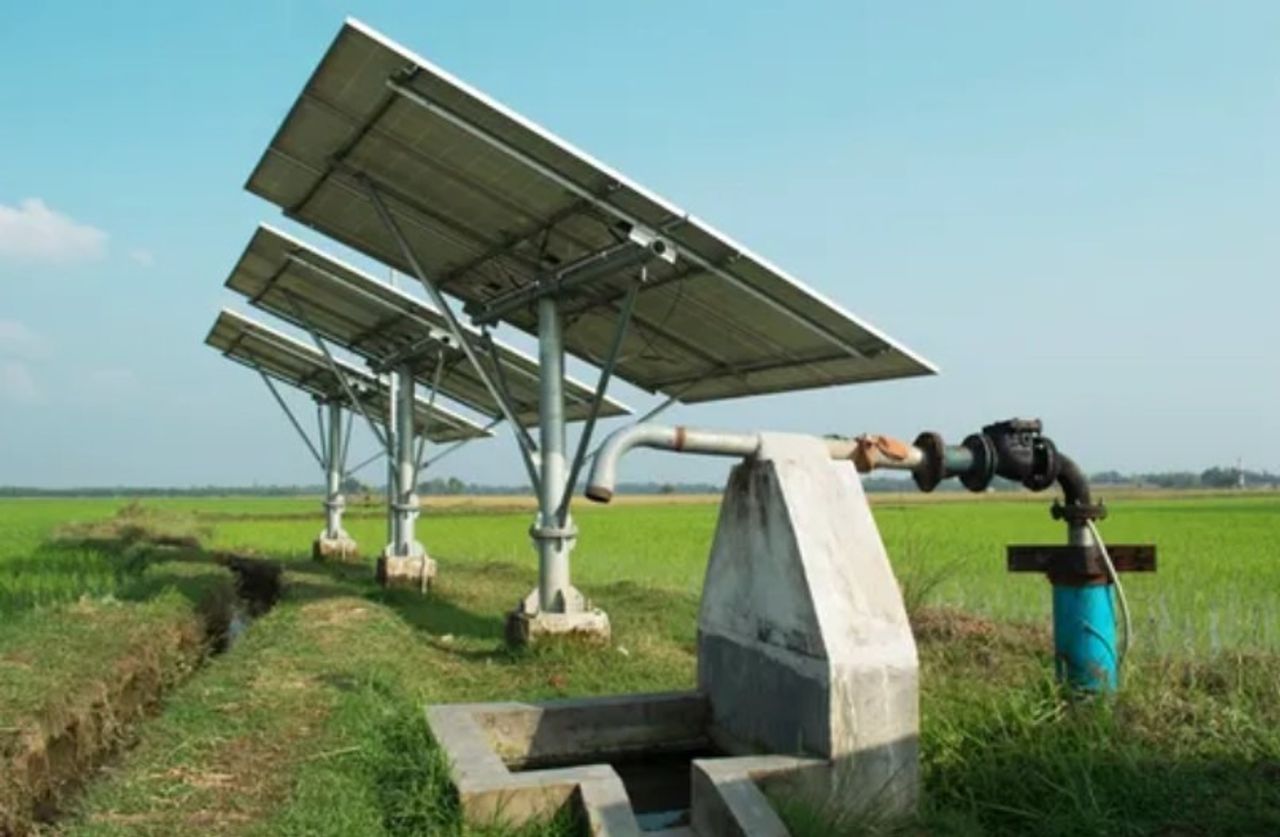
The standout performer of the PM-KUSUM initiative is undeniably Component B, which focuses on the deployment of standalone solar pumps. With over 11.5 lakh units installed against a sanctioned target of approximately 13 lakh, the scheme has achieved an impressive 88% completion rate. This segment of the program is highly popular among farmers, as it offers direct, tangible benefits: immediate access to irrigation, the elimination of fuel costs, and a shield against the volatility of grid power supply.
The success of Component B highlights that when a policy intervention is straightforward—involving the procurement and installation of equipment—it can scale rapidly across diverse geographies. Maharashtra has emerged as the clear leader, accounting for nearly half of all national installations, with states like Haryana, Rajasthan, and Uttar Pradesh also showing robust figures. However, this success is heavily reliant on a handful of states, suggesting that the "KUSUM model" is currently more of a state-led endeavor than a uniform national transformation.
The Stalled Reform: Why Components A and C Lag Behind
While solar pumps have proliferated, the broader vision of creating a decentralized, grid-integrated rural energy network—the primary objective of Components A and C—has struggled to gain momentum. Component A, which envisioned farmers becoming "energy entrepreneurs" by setting up small solar plants to feed power into the grid, is currently the most stagnant. With only 17.3% of its 10,000 MW target commissioned, the program is failing to bridge the gap between policy design and ground-level execution.
The challenges facing Component A are structural rather than logistical. Unlike distributing a pump, developing a solar plant requires complex land acquisition, financing arrangements, and active cooperation from state electricity distribution companies (DISCOMs). Many states have reported negligible progress, suggesting that without deep institutional reforms, the dream of decentralized rural power generation remains distant.
Similarly, Component C—which aims to solarize agricultural feeders to reduce the massive subsidy burden on state coffers—is showing a fractured performance. While feeder-level solarization has reached nearly 46% of its target, individual pump solarization (IPS) under the same component is languishing at under 30%. The disparity is stark: while some states have surged ahead, others have not reported a single installation, highlighting a critical lack of administrative capacity and bureaucratic inertia in key agricultural regions.
What This Means for Farmers
For the average farmer, the current state of PM-KUSUM presents a mixed bag of opportunities and systemic risks. Here is what the current landscape means for the agricultural sector:
- Immediate Relief vs. Long-Term Stability: If you are a beneficiary of a Component B solar pump, you have gained energy independence. However, the lack of progress in grid-integrated solarization (Component C) means that the broader rural electricity grid remains fragile. Farmers relying on grid power are not seeing the promised improvements in power quality or reliability that were intended to come from feeder solarization.
- The "Energy Entrepreneur" Opportunity: For farmers with access to non-arable land, Component A remains a significant, albeit currently underutilized, revenue stream. Farmers should monitor state-level tenders for decentralized solar plants, as these projects offer a potential secondary income source that is independent of crop cycles.
- Geographic Disparity in Support: The effectiveness of the scheme is currently highly dependent on your state’s administrative efficiency. Farmers in high-performing states like Maharashtra or Rajasthan can expect faster implementation and better support, whereas those in states with low engagement levels may face longer wait times for approvals and subsidies.
- Economic Caution: As the program matures, the focus will likely shift from pure subsidy distribution to grid integration. Farmers should prioritize selecting high-quality equipment with robust warranty and maintenance support, as the long-term viability of their solar assets will depend on the strength of the local service ecosystem rather than just the initial installation grant.
Ultimately, PM-KUSUM is at a crossroads. To move from a successful subsidy program to a true energy revolution, policymakers must shift their focus from the simple distribution of hardware to the complex, necessary work of institutional reform. Without this shift, the program risks leaving the most critical part of India’s agricultural power crisis—the grid itself—largely untouched.