
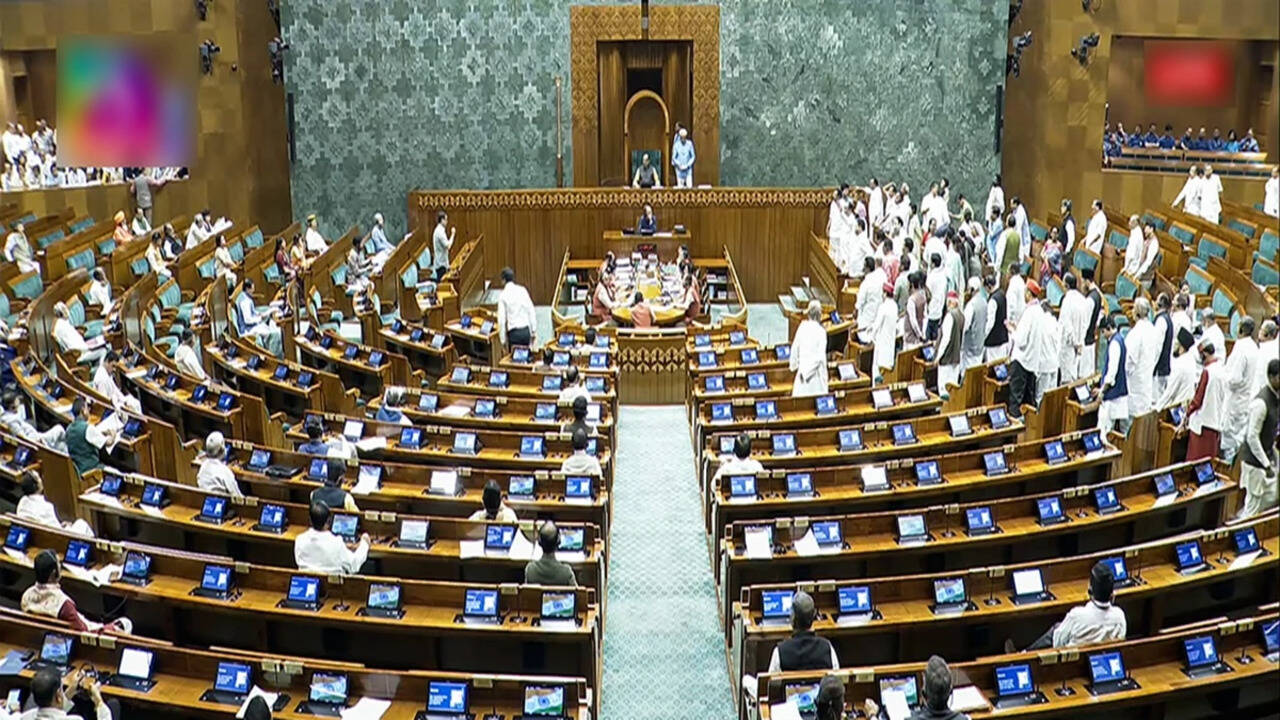
Parliamentary Monsoon Session Interrupted by Ongoing Political Deadlock
The Monsoon session of Parliament, a critical period for legislative deliberation and policy oversight, faced an abrupt adjournment on July 20 following intense disruptions. The chamber, which serves as the primary forum for shaping national governance, found its proceedings brought to a standstill as opposition members mounted vocal protests. The core of the agitation centers on demands for a comprehensive parliamentary discussion regarding the recent NEET-UG 2026 examination paper leak, an issue that has sparked widespread concern regarding the integrity of national testing systems and the future of professional education in the country.
Despite the current impasse, the session is scheduled to remain in effect until August 13. Parliamentary officials and senior ministers have expressed a commitment to resuming regular business, as the session remains a vital window for passing key legislative proposals and addressing pressing socioeconomic concerns. The atmosphere within the House remains charged, with political observers noting that the intensity of the debate is being amplified by the looming shadow of upcoming state-level elections. As political parties pivot toward campaign-focused strategies, the parliamentary floor has increasingly become a theater for broader electoral messaging.
Legislative Agenda Moves Forward Amidst Legislative Turbulence
Even as the procedural chaos dominated headlines, the government successfully moved forward with the introduction of several significant legislative items. Among the most notable proposals are amendments aimed at adjusting the sanctioned strength of Supreme Court judges. Proponents argue that these changes are necessary to address the mounting backlog of judicial cases, which currently hinders the timely administration of justice across various sectors, including land disputes and commercial litigation that directly impact the agrarian economy.
Furthermore, the session saw the introduction of new frameworks concerning national honor laws. While these amendments are largely symbolic in nature, they reflect a broader effort by the current administration to consolidate legal standards governing state symbols and public conduct. However, the introduction of these bills amidst the ongoing protests has drawn criticism from the opposition, who argue that substantive national issues—such as the integrity of competitive examinations and systemic reforms—are being sidelined. For the agricultural community and the general public, the tension between administrative efficiency and political accountability remains a central point of scrutiny as the session progresses toward its mid-August conclusion.
What This Means for Farmers
While the headlines focus on urban-centric issues like examination leaks and judicial appointments, the parliamentary stalemate carries significant, albeit indirect, implications for the agricultural sector. Farmers should note several key takeaways from the current political climate:
- Policy Uncertainty: When parliamentary sessions are disrupted, the introduction and passage of critical agricultural bills—such as those related to Minimum Support Price (MSP) mechanisms, agricultural credit reforms, or climate-resilient infrastructure—often face delays. Farmers should anticipate a slower pace in the roll-out of new central schemes until the legislative deadlock is resolved.
- Budgetary Oversight: The Monsoon session is often the time when government spending is audited and redirected. Protests that prevent debate on budgetary allocations may stall the release of funds for irrigation projects, fertilizer subsidies, or rural development initiatives. Farmers are encouraged to monitor state-level announcements closely, as central delays often force state governments to adjust their own agricultural budgets.
- Election-Year Populism: With state elections approaching, the political discourse in Parliament will likely shift toward populist measures. Farmers should expect an increase in announcements regarding debt waivers, input subsidies, and crop insurance enhancements. While these measures offer short-term relief, they are frequently tied to the electoral cycle; producers are advised to view such promises through the lens of long-term economic sustainability rather than immediate policy shifts.
- Advocacy and Representation: During periods of parliamentary instability, the role of local farmer unions and industry advocacy groups becomes more critical. When formal legislative channels are blocked by protests, direct engagement with local representatives and regional agricultural departments remains the most effective method for farmers to voice concerns regarding seasonal needs, such as seed supply or procurement logistics.
As the session continues toward its August 13 conclusion, the farming community is advised to stay vigilant. The outcome of these parliamentary debates will ultimately dictate the regulatory environment for the upcoming planting and harvest seasons, making it essential for stakeholders to look past the political posturing and focus on the substantive policy shifts that will affect their livelihoods in the coming year.


