Gujarat Intensifies Disaster Response as Monsoon Floods Displace Thousands
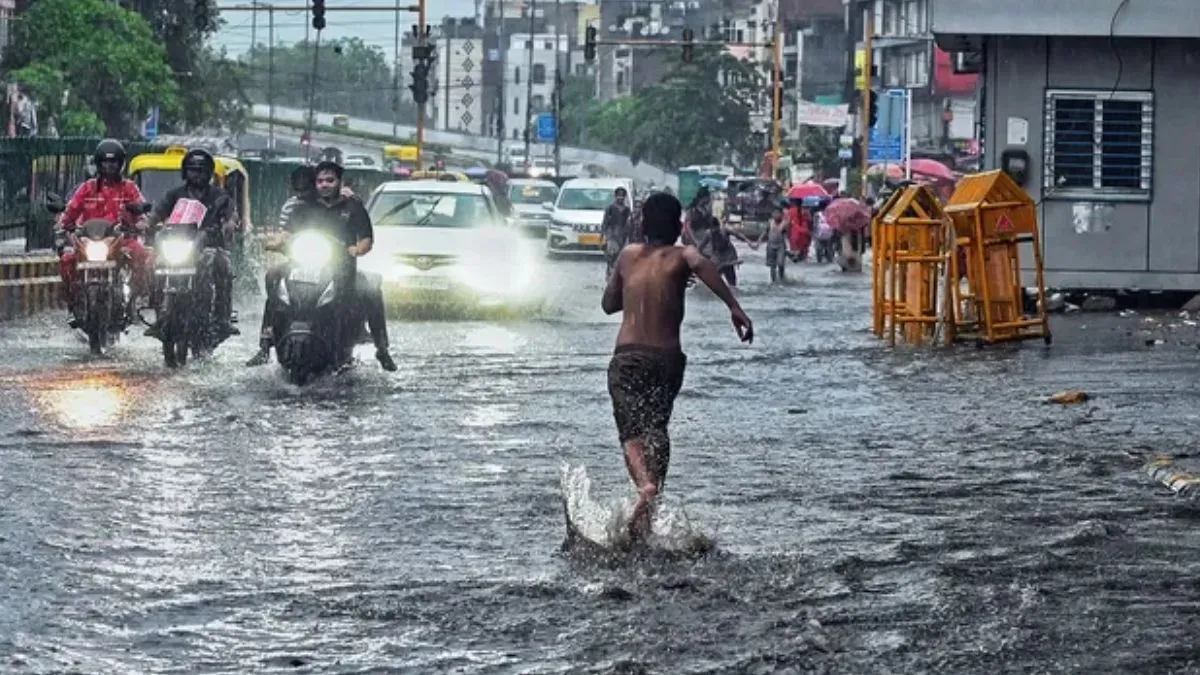
The state of Gujarat is currently grappling with a severe hydrological crisis as relentless monsoon rainfall triggers widespread flooding across multiple districts. State authorities have launched a massive, multi-agency relief and rescue operation to mitigate the impact of the deluge, which has submerged low-lying agricultural lands, disrupted rural infrastructure, and forced a significant portion of the population to seek emergency shelter.
According to the latest reports from Gandhinagar, the scale of the displacement is significant, with more than 38,600 individuals successfully evacuated from high-risk zones. Emergency response teams, supported by local administration and disaster management forces, have conducted daring operations to reach those trapped by rising waters, successfully rescuing over 5,500 residents from inundated settlements. The continuous nature of the precipitation has hampered movement, turning rural roads into waterways and complicating the delivery of essential supplies to isolated farming communities.
The Impact on Rural Infrastructure and Agricultural Stability
The intensity of the current monsoon spell has placed immense strain on the state’s rural infrastructure. In many areas, the drainage capacity of agricultural fields has been completely overwhelmed, leading to prolonged waterlogging. For a state that relies heavily on its monsoon-fed agricultural calendar, the timing of these floods is particularly concerning. Crops currently in the early growth stages are at high risk of root rot, nutrient leaching, and physical damage from flowing water.
Beyond the immediate threat to standing crops, the flooding has compromised vital agricultural assets. Farm equipment, stored fodder, and livestock management facilities in low-lying zones have been directly impacted by the ingress of water. The disruption to rural transport networks further complicates the situation, as farmers are unable to access markets or transport perishable goods, leading to potential supply chain bottlenecks in the coming days. Local authorities are currently prioritizing the restoration of power lines and the clearance of arterial roads to ensure that emergency aid—including fodder and veterinary supplies—can reach affected livestock clusters.
Coordinated Disaster Management and Relief Operations
The response to the crisis has been characterized by a high level of inter-agency coordination. State disaster response forces, bolstered by national teams, have deployed specialized equipment, including inflatable boats and high-capacity pumps, to manage the water levels in critical areas. Relief camps have been established in schools, community halls, and government buildings to provide temporary housing, medical care, and food to the thousands of displaced residents.
Meteorological experts have noted that the persistent nature of the rain is the primary challenge, as the soil has reached its saturation point, leaving no capacity for further absorption. As a result, even moderate additional rainfall can lead to immediate flash flooding. The administration remains on high alert, with meteorological warnings in place for several districts. Officials are currently focused on two fronts: the immediate preservation of human and animal life, and the long-term assessment of the damage to public and private property once the water recedes.
What This Means for Farmers
For the farming community, the current situation necessitates an immediate shift toward crisis management and long-term recovery planning. The following considerations are paramount for those affected by the floods:
- Livestock Safety: Prioritize the movement of livestock to higher ground. Ensure that fodder supplies are kept in elevated or waterproof storage to prevent spoilage and the spread of waterborne diseases among animals.
- Drainage Management: Once water levels begin to recede, farmers should focus on digging temporary drainage channels to prevent water stagnation in fields. Prolonged immersion is the greatest threat to crop survival at this stage of the season.
- Crop Assessment: Avoid immediate replanting or chemical applications until the soil moisture levels stabilize. Consult with local agricultural extension officers to assess the viability of damaged crops and to determine if mid-season nutrient supplementation will be necessary once the weather clears.
- Financial Documentation: As the recovery phase begins, it is essential to document all losses—including crop damage, loss of livestock, and destruction of farm infrastructure. Maintaining accurate records and photographs will be critical for filing insurance claims or accessing government disaster relief compensation.
- Disease Surveillance: Standing water acts as a vector for various pests and fungal infections. Farmers should remain vigilant for signs of crop disease and coordinate with local agricultural stations to implement preventative measures as soon as the fields are accessible.