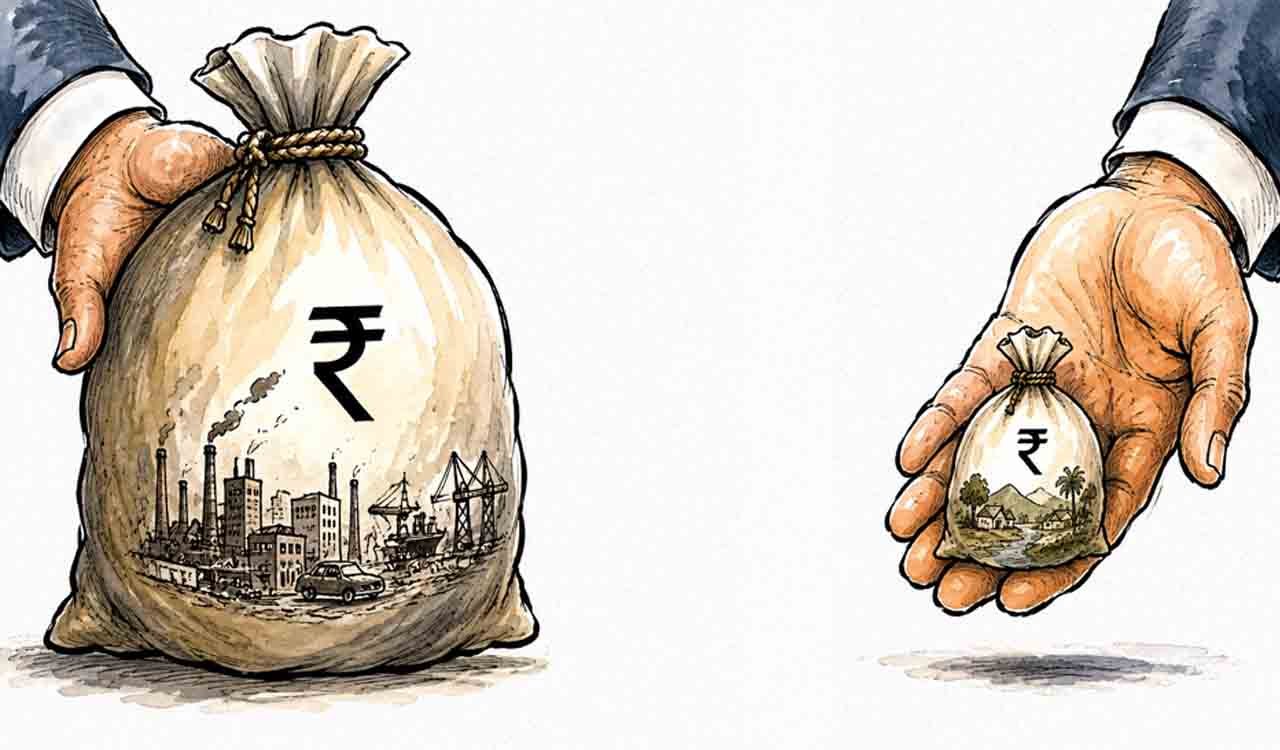
Reimagining the Investment Friendliness Index in India
The discourse surrounding economic development in India often hinges on national indices designed to measure the attractiveness of individual states to investors. Among these tools, the Investment Friendliness Index (IFI) holds significant weight in policy circles. However, recent analysis suggests that the primary utility of such rankings should be reconsidered to better serve the diverse needs of India’s states.
According to a report by Telangana Today, there is a growing consensus that the Investment Friendliness Index should not function as a pressure mechanism that forces states to adopt a uniform, one-size-fits-all economic model. Instead, the focus should shift toward using these frameworks as strategic roadmaps that help states cultivate unique, robust, and regional investment ecosystems.
The Risk of Uniformity in Economic Policy
A primary concern regarding national investment rankings is the tendency for states to attempt to replicate the specific models of top-performing regions. While benchmarking is a standard practice in governance, the source notes that applying identical policies across geographically and demographically distinct states may not yield the same results.
When states prioritize mirroring the strategies of others rather than identifying their own competitive advantages, they risk stifling local innovation. The perspective shared in the report emphasizes that economic growth is not a monolithic process. Different regions possess varying levels of infrastructure, human capital, and industrial history, all of which necessitate tailored policy approaches rather than forced standardization.
Shifting Toward Regional Ecosystems
The core argument presented by Telangana Today is that the Investment Friendliness Index should evolve into a tool for regional empowerment. By reframing the index as a roadmap, policymakers can identify specific gaps within their own territories rather than merely chasing a higher numerical rank.
Building a strong regional investment ecosystem involves several key considerations:
- Leveraging Local Strengths: Focusing on sectors where a state already possesses natural or historical advantages.
- Identifying Infrastructure Gaps: Using data from the index to pinpoint specific logistics or utility deficiencies that hinder local growth.
- Customizing Policy Frameworks: Developing incentives that align with the specific industrial goals of the region rather than adopting generic national templates.
The Role of Data as a Roadmap
Data-driven governance is essential, but the application of that data determines its effectiveness. The source suggests that when states treat the Investment Friendliness Index as a roadmap, they are better positioned to foster sustainable growth. This approach moves the conversation away from competitive rankings and toward collaborative development.
The Investment Friendliness Index should not push States to replicate the same model, but serve as a roadmap for building stronger, regional investment ecosystems.
By shifting the perspective on how these indices are utilized, Indian states may be able to move beyond the current investment divide. Instead of a narrow focus on rankings, a more nuanced approach allows for a diverse economic landscape where each state can contribute to national prosperity by playing to its unique strengths.
Conclusion
The challenge for India’s economic planners lies in balancing national competitiveness with the necessity of regional diversification. As highlighted by the report, the path forward involves transforming how states interact with indices like the Investment Friendliness Index. By utilizing these tools to build localized, resilient ecosystems, states can create more meaningful and sustainable investment environments that benefit both local economies and the nation at large.