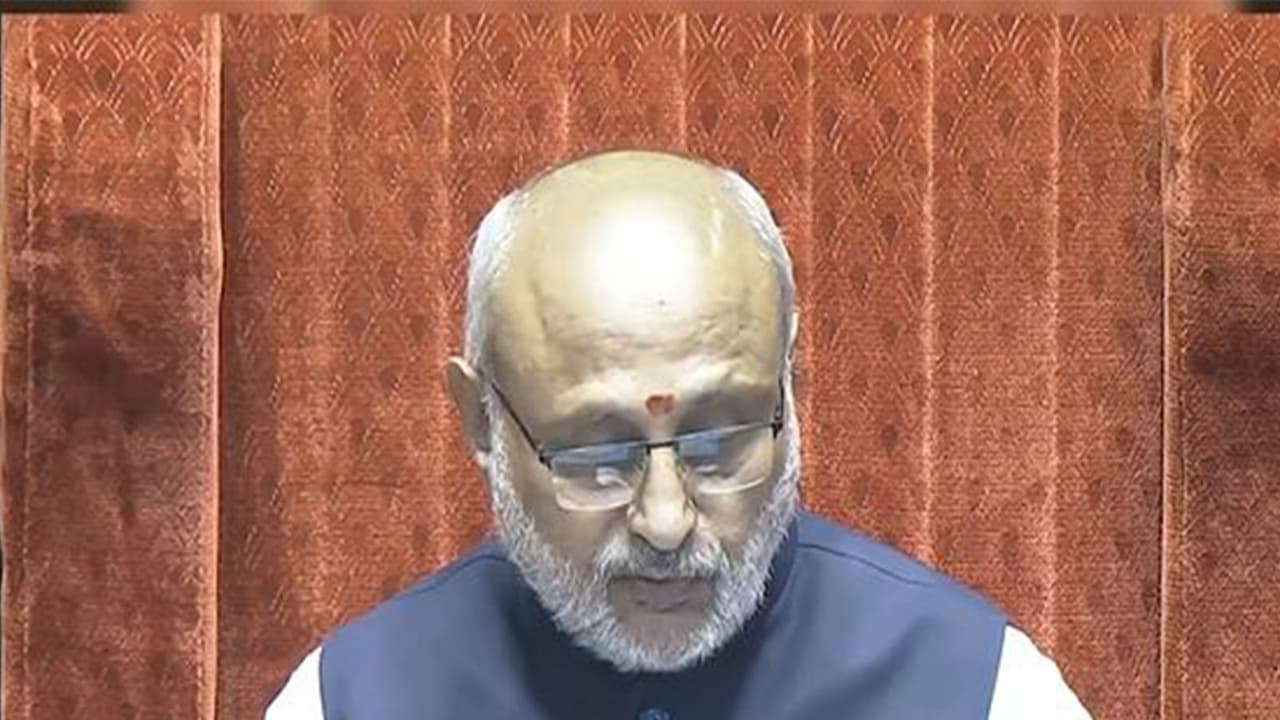
Legislative Expansion: Nine New Members Sworn Into Rajya Sabha Amidst Heightened Political Tensions
The Rajya Sabha, the Upper House of the Indian Parliament, saw a significant infusion of new representation this week as nine newly elected members officially took their oaths of office. The ceremony brought together representatives from a diverse political spectrum, including the Bharatiya Janata Party (BJP), the Indian National Congress (INC), the National People’s Party (NPP), and the Zoram People’s Movement (ZPM). This swearing-in marks a shift in the composition of the House, reflecting recent electoral outcomes and the evolving political landscape across several states.
However, the solemnity of the induction was quickly overshadowed by intense legislative friction. Immediately following the oath-taking proceedings, the Upper House descended into a period of disruption. Led by the Leader of the Opposition, Mallikarjun Kharge, opposition members staged a vociferous demand for an urgent, dedicated discussion regarding the alleged irregularities surrounding the National Eligibility-cum-Entrance Test (NEET). The ensuing deadlock prompted the Chair to adjourn the House until July 21, signaling a volatile start to the current parliamentary session.
Parliamentary Dynamics and the NEET Controversy
The demand for a debate on the NEET exam irregularities highlights a growing intersection between national education policy and legislative accountability. For the farming community and rural families, the integrity of competitive examinations is a matter of profound concern, as academic success represents a primary vehicle for social mobility and economic stability for the children of agricultural households. The opposition's insistence on holding the government accountable for the examination process underscores the pressure on the ruling coalition to address systemic failures in public administration.
The adjournment of the House until July 21 reflects the severity of the standoff. While the induction of nine new members should theoretically bolster the legislative capacity of the Rajya Sabha, the current climate of confrontation suggests that the immediate focus will remain on partisan disputes rather than the routine legislative agenda. For agricultural stakeholders monitoring parliamentary activity, this delay serves as a reminder that major policy shifts—such as updates to agricultural credit, minimum support prices (MSP), or infrastructure funding—often remain stalled when Parliament is gripped by intense procedural gridlock.
What This Means for Farmers
The impact of parliamentary disruptions on the agricultural sector is both indirect and significant. When the Rajya Sabha is adjourned, the legislative machinery grinds to a halt, delaying the passage of bills that could have direct implications for rural development and agrarian reform. For farmers and agribusiness operators, this situation carries several practical consequences:
- Policy Stagnation: Legislative delays mean that pending amendments or new bills related to agricultural inputs, fertilizer subsidies, and rural electrification projects are pushed further down the timeline. Farmers should anticipate a slower rollout of government schemes during periods of sustained parliamentary gridlock.
- Budgetary Uncertainty: The diversion of parliamentary time toward political disputes can impact the timely review of budgetary allocations. For those relying on government-backed insurance programs or direct benefit transfers, any delay in legislative oversight can translate into administrative bottlenecks at the local level.
- Increased Need for Advocacy: With the Upper House currently preoccupied by high-profile national issues like education reform, agricultural organizations and cooperatives must intensify their outreach to local representatives. When national-level policy discussions are sidelined, local and state-level engagement becomes the most effective way to ensure that rural concerns—such as irrigation needs, crop damage compensation, and market access—remain on the administrative radar.
- Economic Volatility: Markets often react to political uncertainty. Farmers should keep a close watch on commodity price fluctuations, as shifts in the political climate and the potential for policy delays can influence sentiment in the wider agricultural commodities market.
As the Rajya Sabha prepares to reconvene on July 21, the agricultural community remains in a position of watchful waiting. The hope is that the new members will move beyond the current impasse to prioritize the diverse legislative needs of the nation, ensuring that the critical issues affecting the rural economy are addressed with the urgency they deserve.