Political Tensions Rise as NEET Controversy Enters the Agricultural Discourse
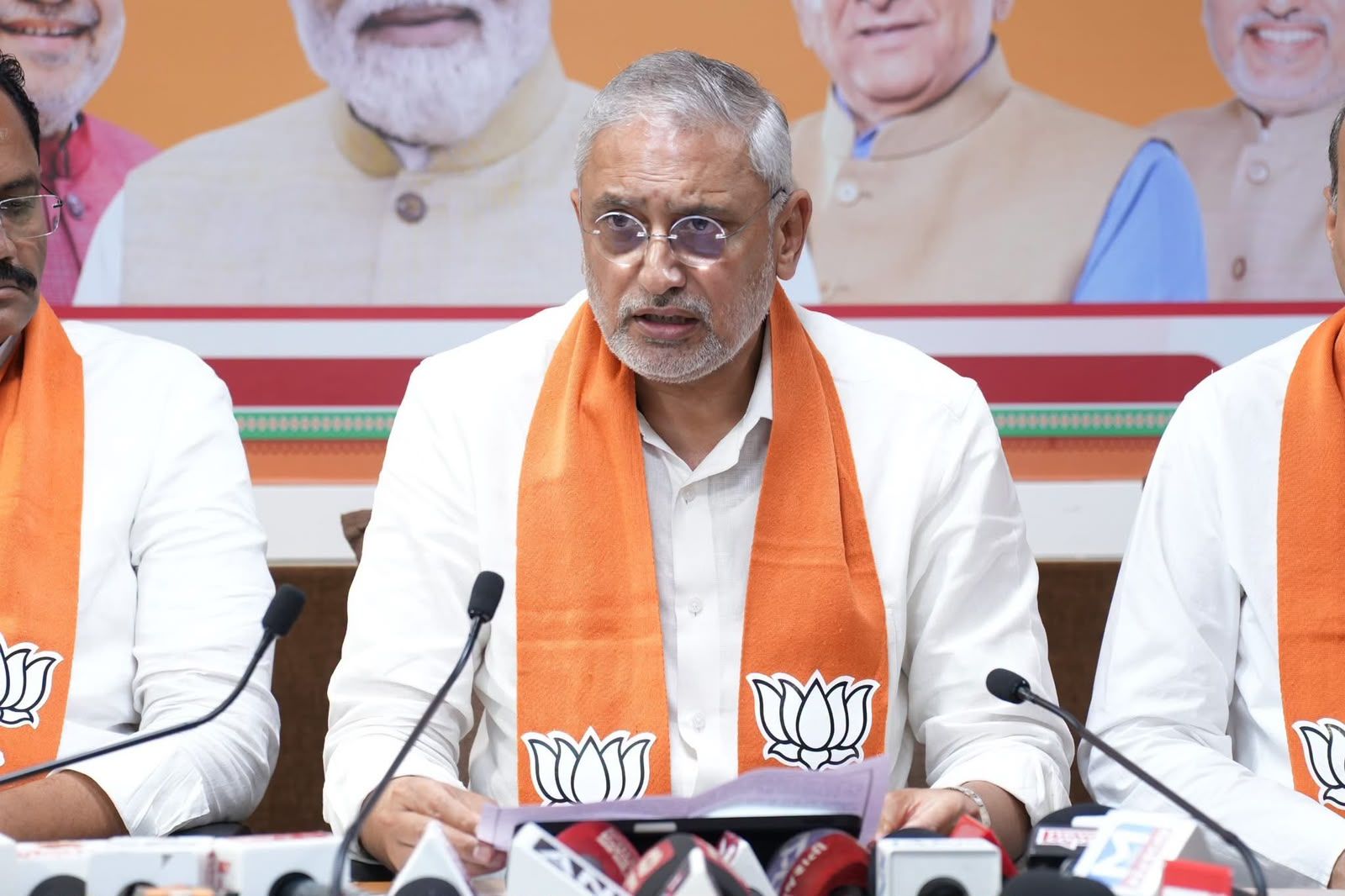
The ongoing controversy surrounding the National Eligibility-cum-Entrance Test (NEET) has spilled over into the political arena, extending far beyond the confines of urban examination centers and into the broader landscape of national policy. In a sharp escalation of rhetoric, Gujarat Bharatiya Janata Party (BJP) president Jagdish Vishwakarma has leveled serious accusations against Congress leader Rahul Gandhi. The BJP leadership alleges that the opposition is orchestrating a "dangerous trend" of misleading the nation’s youth, framing the critique of examination processes as a deliberate attempt to incite social unrest rather than a legitimate pursuit of academic accountability.
This political friction occurs at a time when the aspirations of rural and agrarian youth are increasingly tethered to standardized testing. For families in the agricultural sector, where investment in education is often seen as the primary pathway to professional diversification, the integrity of national exams is not merely a bureaucratic concern—it is a matter of economic survival and social mobility. As political parties trade blame, the uncertainty surrounding the examination process has left thousands of students from farming backgrounds in a state of suspended animation, uncertain of their future trajectories in fields ranging from medicine to agricultural sciences.
The Intersection of Education Policy and Rural Aspirations
The accusations made by the Gujarat BJP leadership highlight a deepening divide in how political entities approach the anxieties of the younger generation. By characterizing the Congress party’s involvement as "misleading," the BJP is attempting to insulate the current administrative framework from systemic criticisms. Conversely, opposition leaders argue that the recent irregularities reported in the NEET examination are symptomatic of a broader failure in oversight, which disproportionately affects students who lack the resources to navigate repeated testing cycles or expensive remedial coaching.
In the context of the agricultural community, education is often the only hedge against the volatility of commodity markets and climate-induced yield fluctuations. When students from farming families dedicate years of limited household income to prepare for competitive examinations, any disruption to the process—or perceived lack of transparency—creates significant financial strain. The political discourse, however, appears to be shifting toward narrative control rather than addressing the logistical and structural reforms necessary to restore faith in the examination system. For the agricultural sector, which already faces challenges in technology adoption and modernization, the loss of trust in national testing bodies represents a potential "brain drain," where the best and brightest may reconsider their commitment to formal academic pathways.
What This Means for Farmers
For farmers and their families, the ongoing political spat over the NEET row carries several practical and economic implications that extend well beyond the headlines:
- Investment Risk: Families must recognize that the current volatility in the competitive examination sector increases the financial risk associated with academic preparation. Prudent financial planning is essential when earmarking funds for higher education in an environment of systemic uncertainty.
- Diversification Strategies: The instability in traditional professional pathways underscores the importance of vocational training and agricultural entrepreneurship. Farmers should continue to emphasize skills-based learning, such as precision agriculture, agribusiness management, and sustainable land stewardship, which provide direct economic utility regardless of national examination outcomes.
- Political Engagement: As political parties attempt to frame the narrative, farmers and rural stakeholders should look past the rhetoric to demand substantive policy changes. Advocacy should focus on decentralizing educational opportunities and ensuring that rural students have equitable access to resources, rather than becoming pawns in broader political maneuvering.
- Long-term Economic Planning: Relying solely on a single professional path for the next generation is increasingly fraught with risk. Agricultural households should remain focused on strengthening the primary farm business as a stable economic foundation while viewing higher education as a complement to, rather than a total replacement for, agricultural expertise.
Ultimately, while the political blame game continues, the agricultural community remains the most vulnerable to the fallout of systemic failures. Ensuring that the voices of rural youth are heard—and that their educational pathways are protected from political instability—must remain a priority for those invested in the long-term vitality of the nation's agrarian economy.