
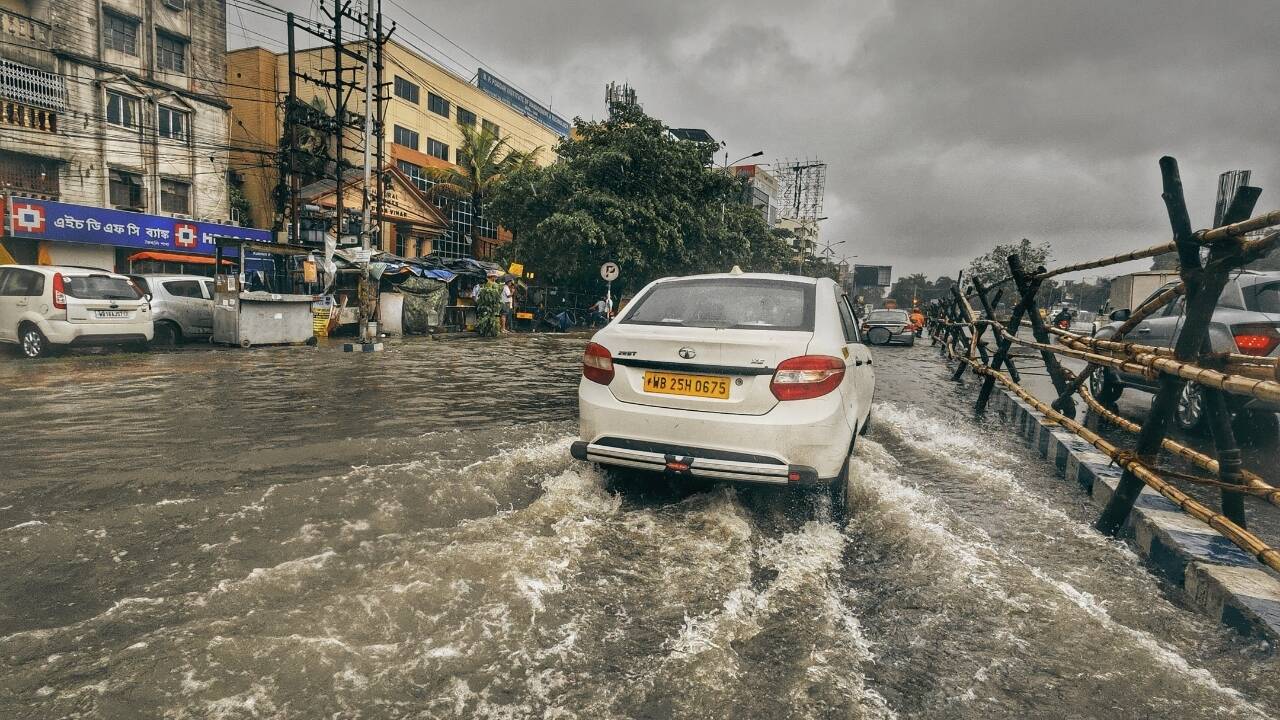
Monsoon Intensifies: IMD Forecasts Widespread Heavy Rainfall Across India Through July 30
The India Meteorological Department (IMD) has issued a series of urgent weather alerts as the monsoon enters a particularly aggressive phase. According to the latest meteorological data, a robust weather system is currently driving active monsoon conditions across large swathes of the country. This intensification is expected to bring heavy to very heavy rainfall to numerous states, with meteorologists warning that the impact of this surge will persist through at least July 30.
The current forecast identifies a high-pressure shift and the strengthening of offshore troughs as primary catalysts for this surge. While the monsoon is a critical lifeblood for the nation’s agricultural output, the extreme nature of these predicted downpours presents significant challenges for both rural land management and national infrastructure. Authorities are urging residents and those traveling through affected regions to exercise extreme caution as the weather patterns develop.
Regional Impact: Concentrated Rainfall in Western and Central India
The IMD’s most stringent warnings are currently directed toward the western and central corridors of the country. States including Rajasthan, Gujarat, and Maharashtra are bracing for what the department classifies as "extremely heavy rainfall" in localized pockets. These regions, which have already seen varying degrees of precipitation this season, are now facing the risk of rapid runoff and waterlogging.
The intensity of these rains is expected to be particularly high in coastal districts and mountainous terrain, where the risk of landslides and flash flooding is elevated. Beyond the western states, the northern and eastern belts—including parts of the Himalayan foothills and the Gangetic plains—are also under an "orange" and "red" alert status. These areas are expected to experience sustained, heavy downpours that could overwhelm drainage systems and impact transportation networks. The combination of moisture-laden winds from both the Arabian Sea and the Bay of Bengal is creating a confluence that is effectively sustaining the current weather system across the subcontinent.
Infrastructure and Travel Disruptions
As the monsoon turns fierce, the logistical impact on travel and commerce is becoming increasingly apparent. Transport authorities have advised travelers to remain vigilant, as heavy rainfall is likely to disrupt road, rail, and air travel. Low-lying areas, particularly in urban centers and agricultural hubs with poor drainage, are at a heightened risk of localized flooding.
Emergency response teams have been put on high alert, with disaster management agencies coordinating with state governments to ensure that vulnerable populations are informed of potential risks. The IMD continues to emphasize that the nature of these storms can change rapidly; therefore, travelers are encouraged to verify weather updates and route conditions before embarking on any long-distance transit. Avoiding travel through flood-prone zones or areas with steep topography is strongly advised during the peak of this weather event.
What This Means for Farmers
For the farming community, this period of intense rainfall presents a complex mix of potential benefits and significant risks. While the monsoon is vital for replenishing reservoirs and ensuring adequate soil moisture for the Kharif crop cycle, excessive, high-intensity rainfall can lead to severe agronomic challenges.
1. Crop Management and Drainage: The primary concern for farmers during this period is waterlogging. Standing water in fields for extended periods can lead to oxygen deprivation in the root zone, root rot, and the leaching of essential nutrients. Farmers are advised to clear drainage channels immediately to prevent water stagnation in low-lying fields. If possible, creating temporary diversion furrows can help manage excess runoff.
2. Disease and Pest Proliferation: High humidity and heavy moisture are ideal conditions for the rapid spread of fungal infections and bacterial blights. Farmers should be prepared to monitor their crops closely for early signs of disease. Post-rain, as soon as field conditions allow, scouting for signs of crop stress or pest infestation is essential to prevent localized outbreaks from spreading across the farm.
3. Protection of Livestock and Assets: Ensure that livestock are moved to higher, dry ground and that fodder supplies are protected from moisture. For those in regions prone to heavy flooding, securing essential farm equipment and inputs in elevated storage facilities is a critical step in minimizing financial loss.
4. Nutrient Management: Heavy rain often results in the loss of nitrogen through leaching. Farmers should consult with local agricultural extension officers regarding the timing of top-dressing fertilizers. It is often recommended to delay fertilizer application until after the most intense period of rainfall has passed to ensure maximum nutrient uptake by the crops.
By staying informed through official IMD bulletins and maintaining proactive field management, farmers can mitigate the negative impacts of this surge while maximizing the benefits of the monsoon season.


