Monsoon Session 2026 Commences: Rajya Sabha Welcomes New Members Amidst Parliamentary Tensions
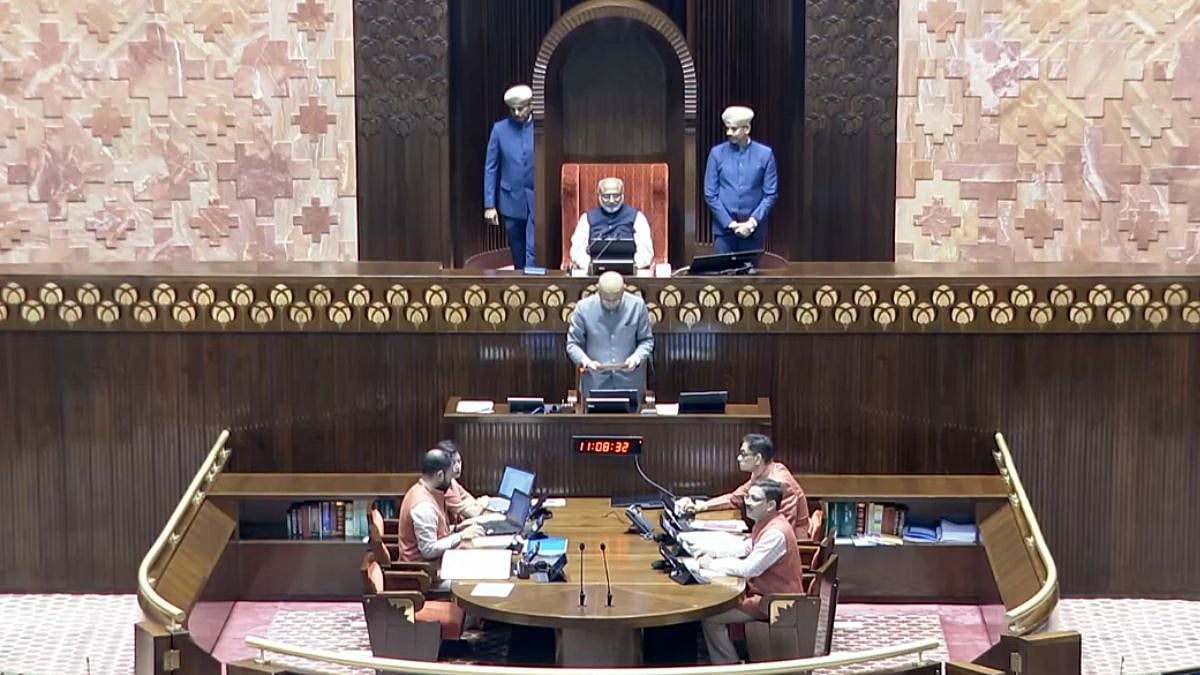
The 2026 Monsoon Session of Parliament began on a formal note today as Vice President CP Radhakrishnan, in his capacity as the Chairman of the Rajya Sabha, presided over the swearing-in ceremony for nine newly elected and re-elected members. The event, which took place in the Upper House, marks a significant transition in the legislative composition of the chamber as it prepares to deliberate on a range of pressing national issues, including agricultural policy, economic reforms, and social governance.
The atmosphere in the House was underscored by a blend of legislative tradition and immediate political urgency. As the newly inducted members took their oaths—pledging to uphold the sovereignty and integrity of the nation—the session quickly shifted from ceremonial proceedings to the realities of parliamentary debate. The induction of these nine members is viewed as a pivotal moment for the Rajya Sabha, particularly as the government navigates a complex legislative agenda in the coming weeks.
Legislative Priorities and the Shadow of Controversy
Following the conclusion of the oath-taking ceremony, the proceedings took a sharp turn as the House transitioned into its first working day. The session was swiftly adjourned until July 21, following a robust intervention by the Leader of the Opposition, Mallikarjun Kharge. The adjournment was prompted by the Opposition's demand for an immediate and comprehensive discussion regarding alleged irregularities in the National Eligibility-cum-Entrance Test (NEET) and the subsequent student protests that have gained momentum across the country.
While the adjournment prevents immediate legislative action, it sets a confrontational tone for the remainder of the session. For the agricultural and academic sectors, such parliamentary stalemates often signal delays in critical policy rollouts. Observers note that the focus on student welfare and institutional integrity—while vital to the national discourse—often pulls the government's attention away from pending bills related to rural infrastructure, irrigation projects, and seasonal agricultural subsidies that are typically tabled during the Monsoon Session.
The Role of the Upper House in Shaping National Policy
The Rajya Sabha serves as the "House of Elders," designed to provide a layer of sober second thought to the legislative process. With the induction of these nine members, the House is expected to re-engage with the oversight of various ministries, including the Ministry of Agriculture and Farmers' Welfare. As the nation enters the heart of the Kharif sowing season, the presence of these members is crucial for ensuring that regional concerns—ranging from weather-related crop insurance adjustments to the availability of high-yielding seeds and fertilizers—are properly represented.
The current parliamentary impasse highlights the delicate balance between addressing urgent societal grievances and maintaining the efficiency of the legislative calendar. As the session resumes on July 21, the government will face the dual challenge of addressing the Opposition’s demands for transparency in examination systems while simultaneously attempting to push forward its economic agenda, which includes critical updates to land use policies and rural electrification initiatives.
What This Means for Farmers
For the farming community, the Monsoon Session is traditionally one of the most important periods in the parliamentary calendar, as it coincides with the peak of the agricultural cycle. The current adjournment and the shift toward political debates have several practical implications for the sector:
- Policy Delays: When parliamentary time is consumed by procedural adjournments and heated debates on non-agricultural issues, the introduction or amendment of bills related to agricultural credit, Minimum Support Price (MSP) frameworks, and export-import regulations often face significant delays.
- Budgetary Oversight: Farmers should monitor the upcoming sessions closely, as the Rajya Sabha is the primary forum where the implementation of the Union Budget for agriculture is scrutinized. Delays in proceedings may hinder the timely release of funds for state-level irrigation and disaster relief projects.
- Advocacy Opportunities: The presence of new members offers a fresh opportunity for agricultural unions and cooperatives to lobby for region-specific concerns. Farmers are advised to engage with their local representatives to ensure that issues such as localized pest outbreaks, fertilizer distribution bottlenecks, and market volatility remain on the legislative agenda once regular business resumes.
- Economic Outlook: Market stability is often influenced by the legislative environment. A productive session usually signals policy stability, which helps in stabilizing input costs. Conversely, prolonged disruptions can lead to uncertainty in the agricultural commodity markets, potentially impacting the procurement strategies of state agencies.
As the House prepares to reconvene on July 21, the agricultural sector remains in a state of watchful waiting, hoping that the legislative body can soon move past the current impasse to address the essential governance and infrastructure needs of the rural economy.