Union Health Ministry Deploys Specialized Response Teams to Tackle Chandipura Virus Outbreak
The Union Health Ministry has initiated an urgent, multi-pronged intervention to contain the escalating outbreak of the Chandipura Virus (CHPV) currently affecting regions in Gujarat and Rajasthan. On Wednesday, federal authorities confirmed the deployment of a National Joint Outbreak Response Team (NJORT) to these states to provide technical assistance, bolster surveillance efforts, and coordinate clinical management protocols. The move comes as health officials grapple with a distressing rise in fatalities, with at least 22 pediatric deaths reported in Gujarat during the current monsoon season.
The Chandipura virus, a member of the Rhabdoviridae family, is primarily transmitted by vectors such as sandflies, mosquitoes, and ticks. While the virus has historically caused sporadic outbreaks in India, the current surge has placed significant strain on rural healthcare infrastructure. The rapid progression of the illness—which often manifests as acute encephalitis—has prompted the government to transition from localized monitoring to a centralized, high-intensity containment strategy.
Understanding the Vector Dynamics and Clinical Risks
The Chandipura virus is notoriously difficult to manage because it thrives in the environmental conditions characteristic of the Indian monsoon. The increased humidity and stagnant water sources common during the rainy season provide an ideal breeding ground for the vector populations that harbor the virus. Epidemiologists have noted that the virus preferentially impacts children, often causing symptoms that mimic other seasonal illnesses, such as high fever, altered mental status, and convulsions.
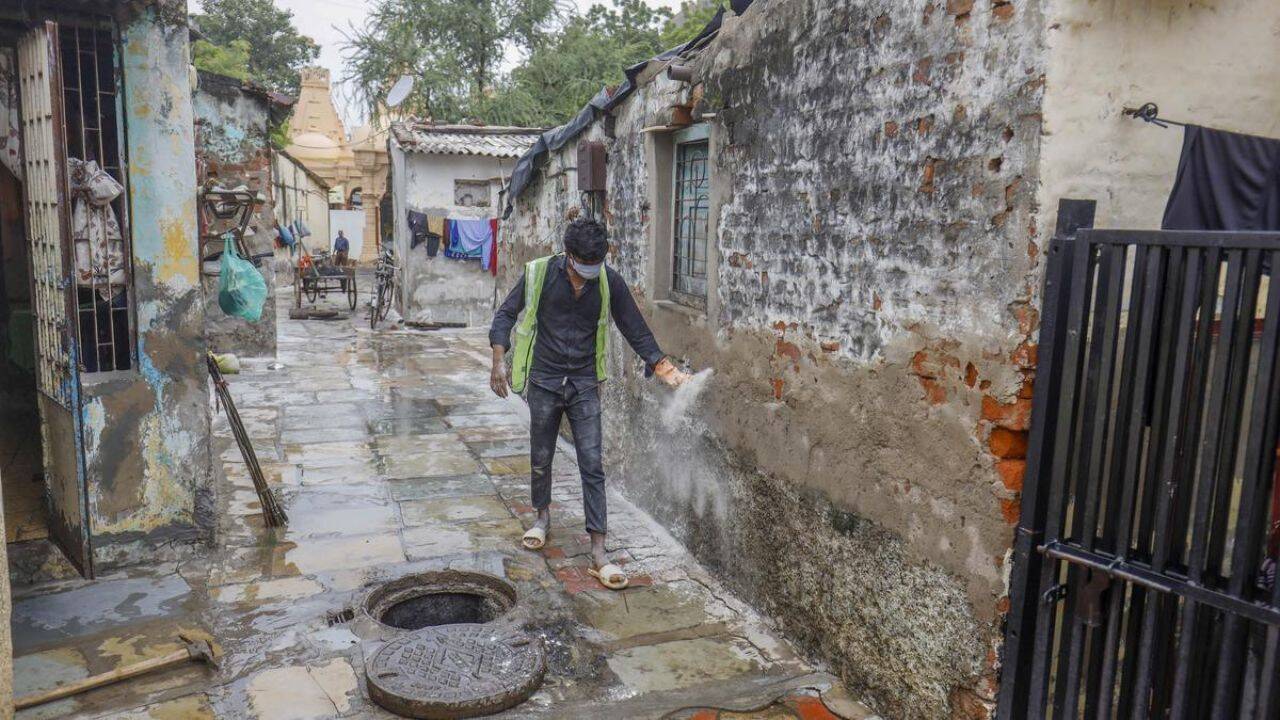
The NJORT teams, comprised of experts from the National Centre for Disease Control (NCDC), are currently working alongside state-level health departments to enhance entomological surveillance. This involves identifying high-risk zones where vector density is highest and implementing targeted fogging and sanitation drives. By focusing on the biological life cycle of the sandfly and other vectors, officials hope to disrupt the chain of transmission before the infection spreads further into densely populated rural clusters.
Strengthening Surveillance and Public Health Infrastructure
A critical component of the federal response is the strengthening of diagnostic capabilities. Because the initial symptoms of Chandipura virus infection are non-specific, early detection is frequently delayed, leading to higher mortality rates. The NJORT is facilitating the distribution of specialized testing kits to district hospitals and primary health centers to ensure that patients presenting with neurological symptoms are screened for CHPV immediately.
Furthermore, the government is focusing on clinical management training for frontline healthcare workers. Given the lack of a specific antiviral treatment for the virus, management is primarily supportive, focusing on the reduction of intracranial pressure and the administration of anticonvulsants. By standardizing the care protocol across affected districts, the health ministry aims to improve patient outcomes and reduce the time elapsed between the onset of symptoms and the initiation of specialized medical care.
What This Means for Farmers
For the agricultural community, particularly in rural Gujarat and Rajasthan, this outbreak serves as a stark reminder of the intersection between environmental health and farming operations. The Chandipura virus is often linked to rural living conditions, as the vectors—sandflies—frequently inhabit cracks in mud walls, cattle sheds, and organic debris near agricultural homesteads.
Practical Steps for Risk Mitigation:
- Sanitation of Livestock Areas: Since vectors often breed in decaying organic matter and damp soil, farmers are advised to clear vegetation around residential and animal housing areas. Regularly cleaning cattle sheds and ensuring proper drainage can significantly reduce vector breeding sites.
- Structural Maintenance: Sandflies thrive in the crevices of traditional mud-plastered walls. Where possible, plastering cracks or using lime-wash can minimize the surfaces available for these insects to harbor.
- Personal Protection: During the monsoon months, families should prioritize the use of insecticide-treated bed nets and long-sleeved clothing, especially during the dusk and dawn hours when vector activity is at its peak.
- Early Symptom Recognition: Farmers and parents should be hyper-vigilant regarding sudden high fever in children. If a child exhibits signs of confusion, persistent vomiting, or seizures, they should be taken to the nearest government health facility immediately, rather than relying on home remedies or waiting for symptoms to subside.
Economically, the impact of such outbreaks can be devastating to rural households, leading to lost labor days and significant medical expenses. By adopting these proactive measures, the farming community can play a vital role in curbing the spread of the vector and protecting the most vulnerable members of their households.