Parliamentary Deadlock Intensifies: Opposition Demands Accountability Amidst Monsoon Session
The Monsoon Session of Parliament has entered a phase of heightened tension as opposition parties escalate their protests, bringing legislative proceedings to a standstill. The primary point of contention revolves around the ongoing controversy surrounding national examination integrity, with opposition leaders vociferously demanding the resignation of Union Education Minister Dharmendra Pradhan. The atmosphere outside the Parliament complex remains volatile, as lawmakers from various parties continue to stage demonstrations, insisting that no meaningful debate can occur within the House until the Education Minister steps down from his ministerial post.
The situation took a sharp turn when Congress President Mallikarjun Kharge issued a direct challenge to the Prime Minister. During a media interaction following the morning protests, Kharge urged the Prime Minister to abandon the practice of making statements outside the legislature or during late-night hours. Instead, the opposition has demanded that the Prime Minister provide a comprehensive statement on the floor of the House during daylight hours, ensuring that the legislative body remains the primary venue for national discourse. This impasse has effectively stalled the government’s legislative agenda for the day, reflecting a deep-seated disconnect between the ruling coalition and the opposition regarding transparency and ministerial accountability.
Exam Integrity and Public Discourse: The Core of the Conflict
At the center of the current political storm is the NEET paper leak case, an issue that has sparked widespread student protests and public outcry across the nation. The opposition argues that the systemic failures in conducting high-stakes competitive examinations under the current leadership of the Ministry of Education represent a breach of trust with millions of students. By conditioning their participation in parliamentary proceedings on the resignation of Dharmendra Pradhan, the opposition is attempting to elevate the accountability of the executive branch to the highest level.
Beyond the immediate demand for resignation, the protest underscores a broader frustration regarding the functioning of the Monsoon Session. With the opposition emphasizing the need for direct address from the Prime Minister, the debate has shifted from purely administrative concerns to a fundamental argument about parliamentary decorum and the role of the Prime Minister in addressing crises. As the protest continues at the Jantar Mantar and the Parliament complex, the government faces the dual challenge of managing a paralyzed legislative session while simultaneously addressing the growing public pressure regarding educational reforms and administrative oversight.
What This Means for Farmers
While the focus of the current parliamentary session is dominated by educational and political debates, the ongoing legislative deadlock holds significant implications for the agricultural community, particularly in the northern states of Punjab, Haryana, and Himachal Pradesh.
- Stalled Agricultural Legislation: When Parliament remains in a state of gridlock, critical policy decisions—including updates to Minimum Support Price (MSP) frameworks, fertilizer subsidies, and climate-resilient agricultural infrastructure funding—are deferred. Farmers rely on timely legislative action to ensure that national budget allocations for agriculture are finalized and released.
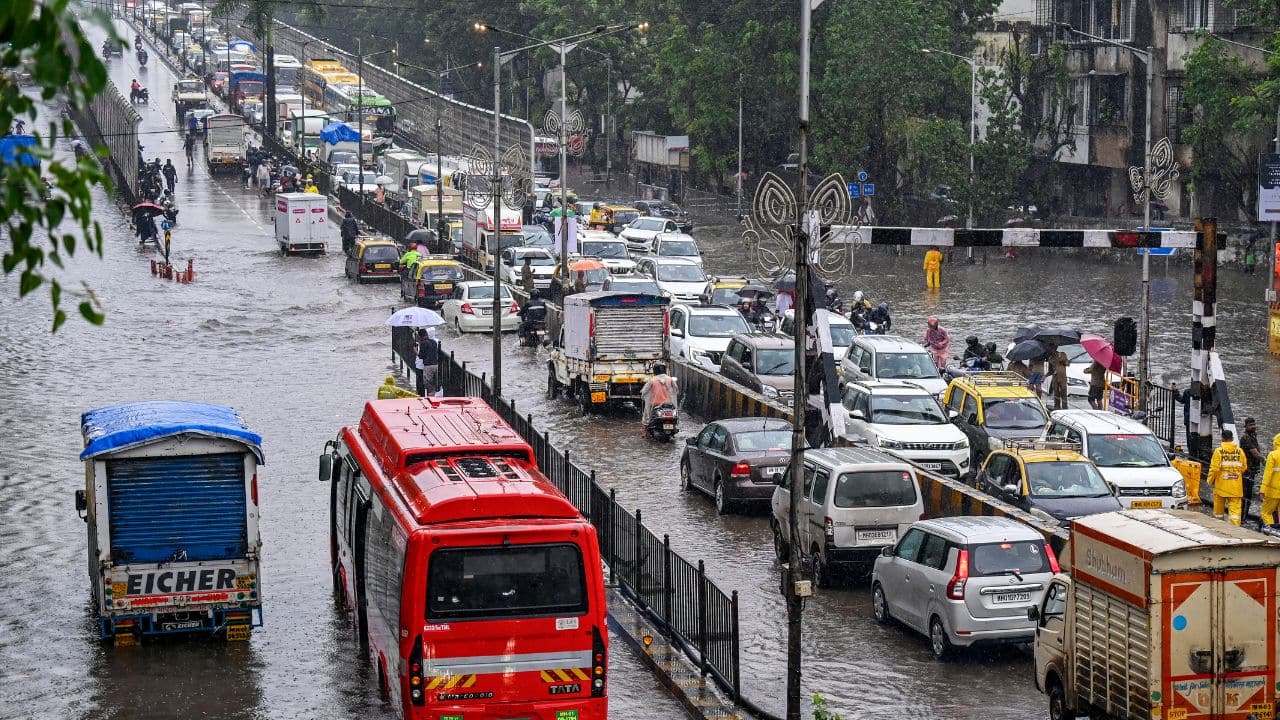
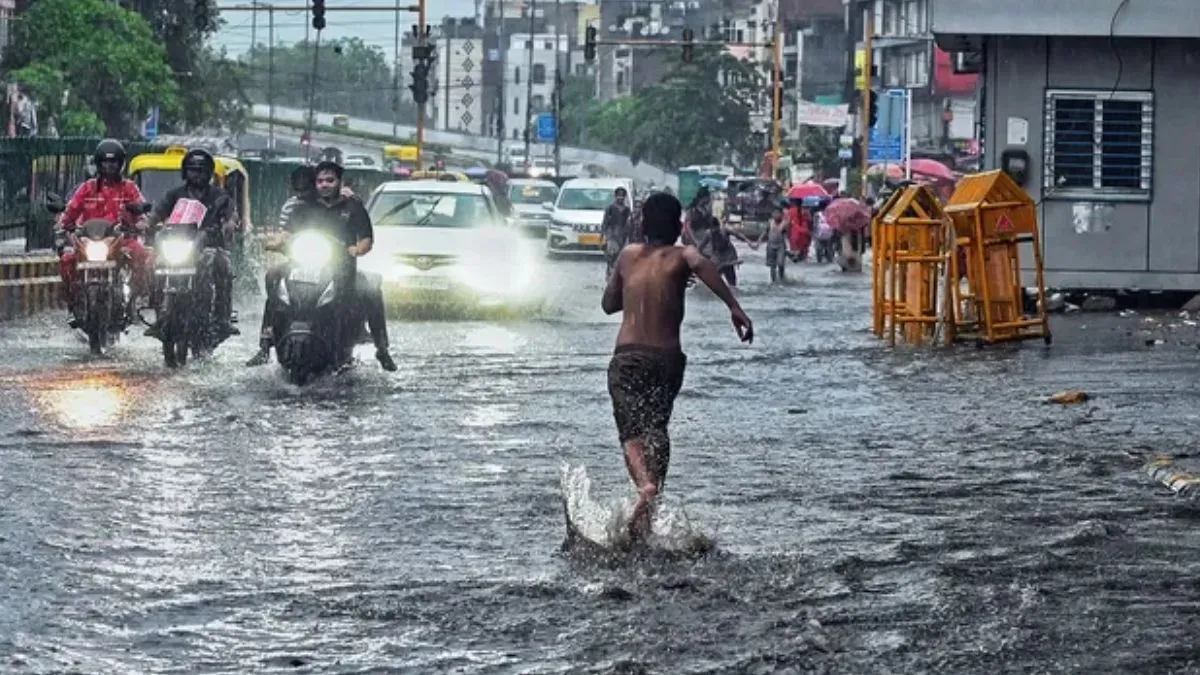
- Focus Shift from Climate and Flood Mitigation: With the India Meteorological Department (IMD) issuing persistent alerts regarding monsoon rains and potential flooding in Punjab and Haryana, the agricultural sector requires immediate, focused attention from the central government. Political preoccupation with parliamentary protests often diverts the attention of policymakers away from disaster management and crop damage compensation strategies.
- Economic Uncertainty: The lack of a functioning Parliament creates a climate of uncertainty. For farmers planning their sowing and harvesting cycles, the stability of national policies is essential. When the government is forced to manage a crisis of legitimacy, long-term investments in agricultural technology, irrigation projects, and rural development programs often fall to the bottom of the priority list.
- Call for Action: Farmers are advised to stay informed through regional agricultural news outlets regarding the status of state-level relief measures. While national-level political disputes dominate the headlines, local administration in flood-affected districts remains the immediate point of contact for disaster assistance and crop insurance claims. Farmers should ensure that their documentation for crop damage is updated and submitted through local agricultural offices, regardless of the political climate in the capital.