Monsoon Fury Grips India: Widespread Flooding and Infrastructure Disruption
The Indian monsoon has entered a phase of extreme volatility, with torrential rainfall triggering catastrophic flooding, landslides, and infrastructure failure across several states. From the mountainous terrain of Jammu and Kashmir to the industrial hubs of Gujarat and the agricultural heartlands of Maharashtra, the sheer volume of precipitation has overwhelmed drainage systems, breached riverbanks, and necessitated large-scale humanitarian intervention. As state and national disaster response teams work around the clock, the immediate focus remains on life-saving rescue operations, while the long-term outlook for regional agriculture remains increasingly precarious.
Geographic Scope of the Crisis: From the Himalayas to the Western Coast
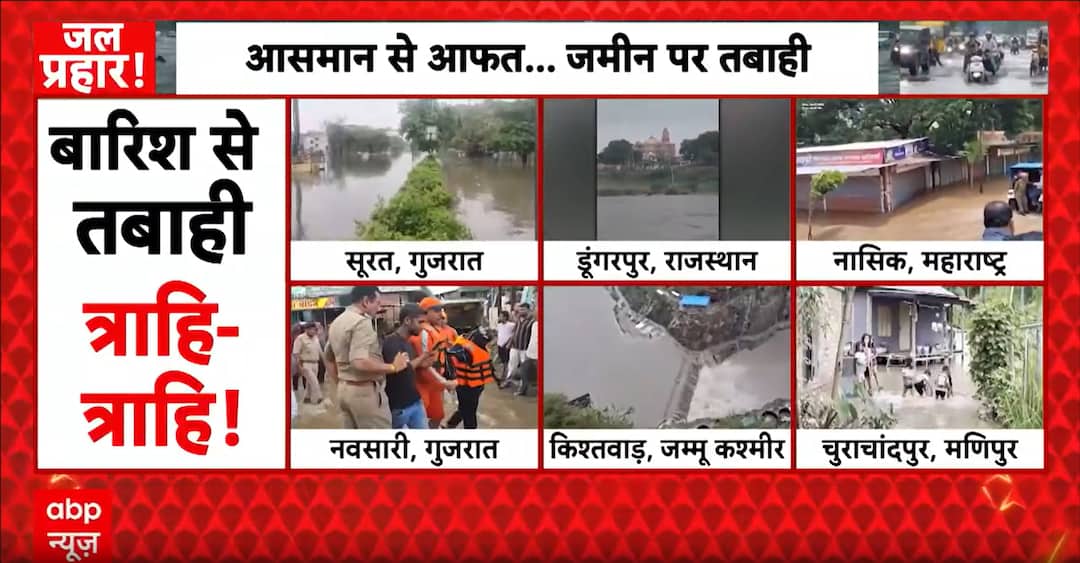
In Northern India, the situation in Jammu and Kashmir has escalated rapidly. Heavy rainfall across the region has transformed minor streams into torrents, impacting districts including Baramulla, Akhnoor, and Kishtwar. In Uri, the deployment of the Indian Army has been critical in evacuating stranded residents from inundated zones. The hydrological pressure is particularly acute along the Chenab River, where rising water levels have placed communities in Akhnoor on high alert for potential downstream flooding. Furthermore, the industrial sector has not been spared; in Kishtwar, the structural integrity of the Ratle Hydroelectric Project was compromised when floodwaters surged, damaging a temporary cofferdam and highlighting the vulnerability of critical infrastructure to extreme weather events.
Simultaneously, the western states of Maharashtra and Gujarat are grappling with severe inundation. In Nashik, the Godavari River has breached its banks, threatening riverside settlements and forcing authorities to monitor water release levels closely. The town of Trimbakeshwar has also reported significant waterlogging, complicating transportation and daily life. In Gujarat, the impact has been even more widespread. Cities and towns such as Surat, Vapi, Tharad, and Navsari have seen homes, primary roadways, and vehicles submerged under deep floodwaters. In Navsari, the National Disaster Response Force (NDRF) has been tasked with high-stakes rescue operations, including the successful extraction of vulnerable citizens from isolated areas. In Surendranagar, the connectivity to several rural villages has been severed, isolating communities and complicating the delivery of essential supplies.
The Agrarian Toll: Assessing Crop and Economic Damage
While urban centers face the immediate brunt of waterlogging, the agricultural sector is suffering a quieter, yet arguably more devastating, crisis. The combination of torrential rain and high-velocity winds has caused extensive damage to standing crops across the affected regions. In areas like Navsari and Nashik, where horticulture and cash crops are vital to the local economy, the saturation of soil and mechanical damage from wind have likely led to significant yield losses. Crops that were in critical growth stages are particularly susceptible to root rot and nutrient leaching, which can diminish both the quantity and quality of the final harvest.
The disruption of rural infrastructure, including washed-out roads and damaged storage facilities, further compounds these losses by hindering the movement of inputs and the transport of perishable produce to markets. As the monsoon continues to track across these regions, the cumulative economic impact on the farming community—ranging from smallholders to commercial operations—is expected to be substantial, necessitating both immediate relief and long-term recovery support.
What This Means for Farmers
For the farming community, the current weather pattern serves as a stark reminder of the increasing unpredictability of the monsoon cycle. To mitigate the ongoing risks, farmers should prioritize the following actions:
- Drainage Management: Where possible, ensure that field drainage channels are cleared of debris to prevent prolonged waterlogging, which is a primary cause of crop failure during heavy rain.
- Input Protection: Protect stored fertilizers, seeds, and harvested grain from moisture. Humidity and standing water are major contributors to fungal growth and post-harvest spoilage.
- Crop Insurance Documentation: Farmers are advised to document all crop damage thoroughly. Taking timestamped photographs and reporting losses immediately to local agricultural extension offices or insurance providers is essential for facilitating potential claims.
- Livestock Safety: Ensure that livestock are moved to higher, dry ground and have access to clean, uncontaminated water and feed. Flooded areas are prone to outbreaks of waterborne diseases, making sanitation a top priority.
- Market Delays: Expect disruptions in supply chains. Plan for potential delays in transporting produce to mandis and coordinate with local farmer cooperatives to share information on accessible routes and market conditions.
The current situation remains fluid. Farmers are encouraged to stay tuned to localized weather bulletins and follow the directives of local disaster management authorities to ensure both personal safety and the protection of their livelihood assets.