Monsoon 2026: A Historic Precipitation Deficit Challenges Indian Agriculture
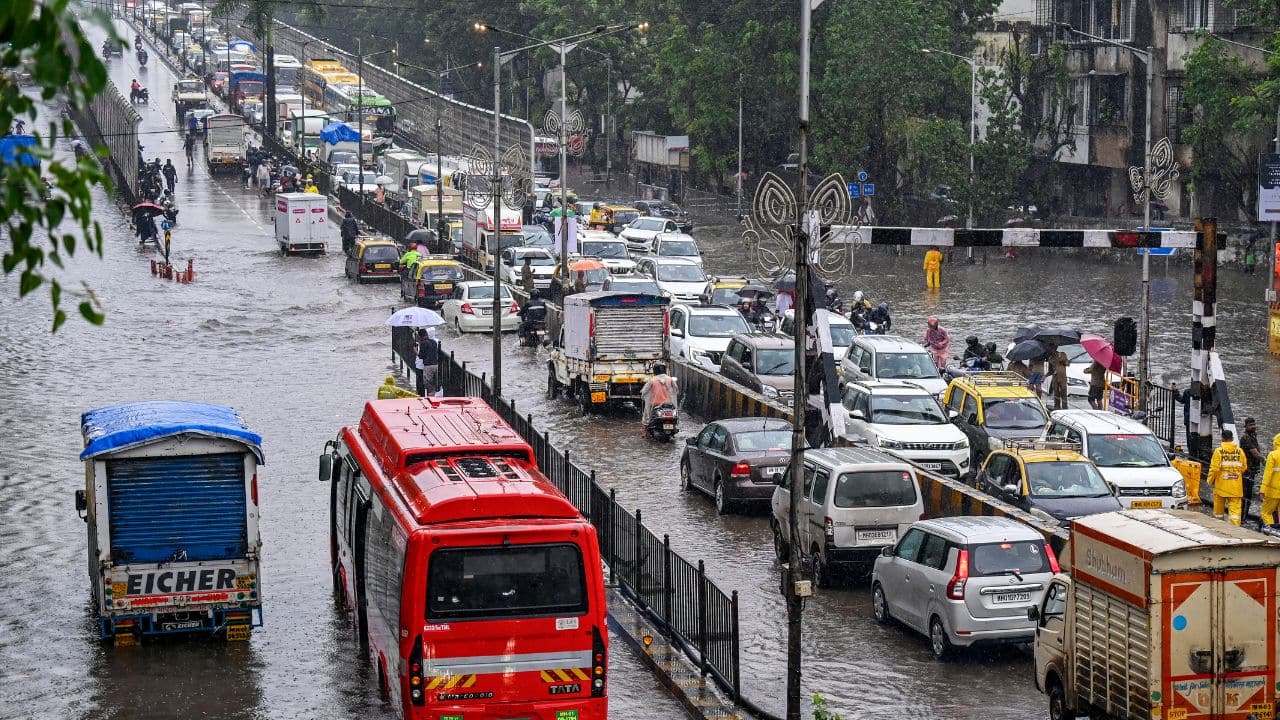
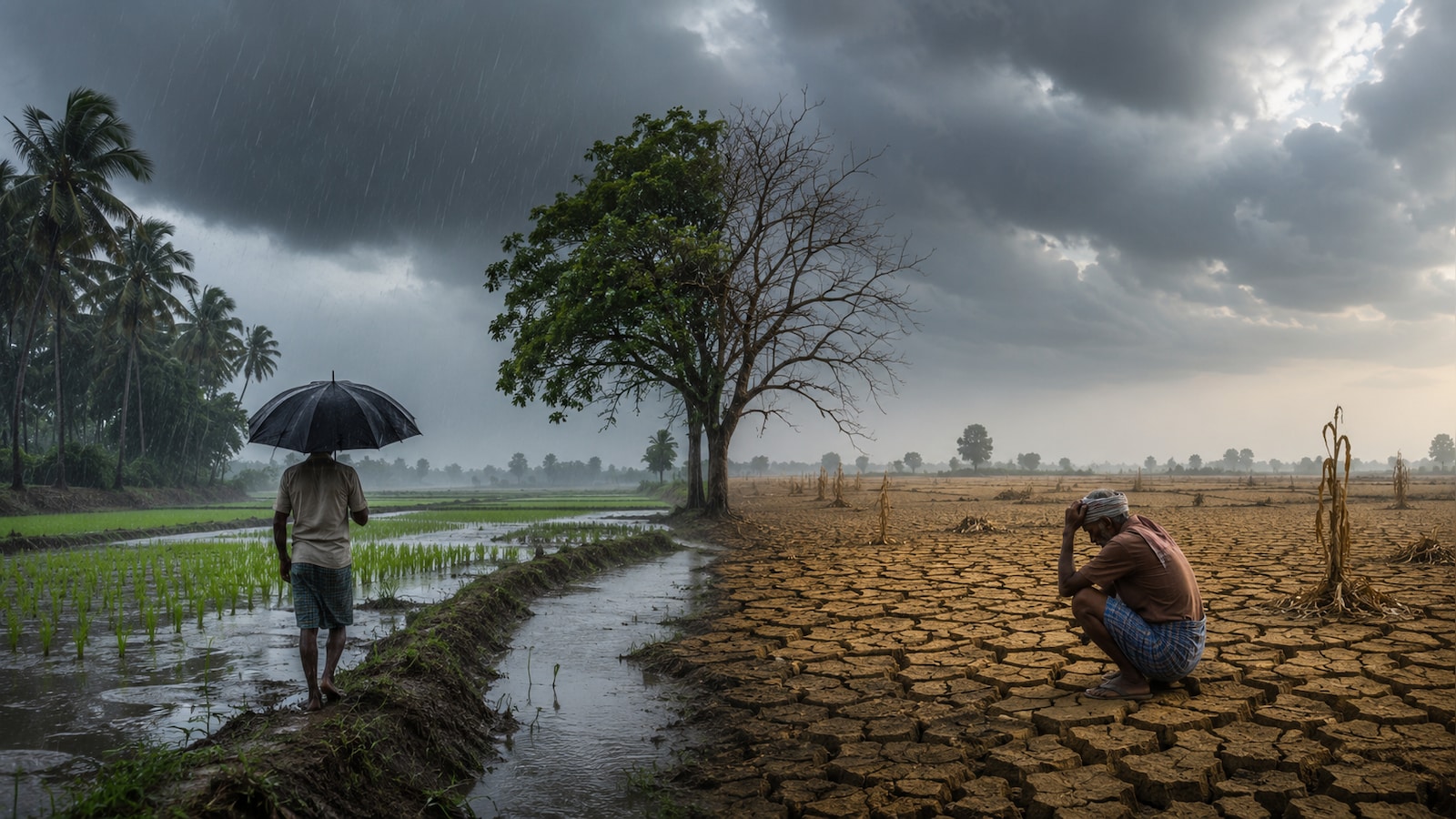
The 2026 monsoon season has etched its name into the record books for all the wrong reasons, officially ranking as the fifth driest season in the last 126 years. As the seasonal cycle concludes, meteorological data confirms a widespread precipitation failure that has left 60% of India’s districts grappling with significant rain deficits. While the national average has historically buffered against localized shocks, this year’s spatial distribution of rainfall has been particularly uneven, placing severe stress on the agrarian economies of Bihar, Kerala, and Telangana.
The failure of the monsoon to deliver consistent coverage has disrupted traditional sowing patterns and irrigation schedules across the subcontinent. In regions like Bihar, where agricultural output is heavily reliant on timely rainfall for paddy cultivation, the moisture deficit has forced farmers to rely on high-cost groundwater extraction. Similarly, the tropical landscapes of Kerala and the semi-arid zones of Telangana have faced prolonged dry spells that threaten both perennial plantation crops and staple food grain production. Despite these formidable environmental hurdles, the broader economic outlook—specifically regarding food inflation—remains surprisingly guarded, according to recent analysis from SBI Research.
The Paradox of Production and Market Stability
The primary concern following a drought of this magnitude is typically an immediate and sharp escalation in food prices. However, current market indicators suggest a more nuanced reality. SBI Research notes that while the deficit is widespread, the structural resilience of India’s food supply chain has evolved significantly over the past decade. The integration of modern irrigation infrastructure, coupled with a robust buffer stock of cereals managed by the Food Corporation of India, has provided a critical safety net against seasonal volatility.
Furthermore, the shift in cropping patterns in several states toward more drought-resistant varieties and the increased adoption of micro-irrigation systems have mitigated some of the yield losses that would have historically triggered a national crisis. Economic analysts argue that the current market stability is also supported by a diversified supply base; when one region faces a moisture deficit, inter-state trade and pre-existing stockpiles help bridge the gap. While food prices may see localized fluctuations—particularly for perishable commodities that cannot be easily stored—the specter of widespread, uncontrolled food inflation remains unlikely at this stage of the harvest cycle.
Managing the Moisture Gap: Agronomic and Economic Resilience
The challenges presented by the 2026 monsoon highlight the persistent vulnerability of rain-fed agriculture. As climate patterns become increasingly erratic, the reliance on traditional rainfall cycles is no longer a viable long-term strategy. The agricultural sector is now at a crossroads where investment in water-use efficiency is no longer an optional enhancement but a prerequisite for survival. The reliance on groundwater, while necessary during emergency droughts, poses a long-term threat to the water table, necessitating a transition toward more sustainable water management practices at the district level.
Policymakers are expected to focus on strengthening the rural credit ecosystem to ensure that farmers in the worst-affected districts can access the necessary resources for the upcoming rabi season. By prioritizing soil moisture conservation and incentivizing the cultivation of less water-intensive crops, the agricultural sector can begin to build a buffer against future climatic shocks. The 2026 monsoon serves as a stark reminder of the urgent need for a climate-resilient framework that empowers farmers to adapt to the shifting realities of global weather patterns.
What This Means for Farmers
For the individual farmer, the fifth-driest monsoon on record necessitates a strategic shift in operational planning. The following considerations are paramount for navigating the remainder of the agricultural year:
- Prioritize Soil Moisture Conservation: In the wake of insufficient rainfall, farmers should focus on mulching and the use of organic matter to improve soil structure and water retention capacity. Minimizing soil disturbance through reduced tillage can help keep existing moisture in the root zone.
- Optimize Irrigation Efficiency: With groundwater levels under pressure, transitioning to drip or sprinkler irrigation is essential. These methods minimize waste and ensure that available water is delivered directly to the root system, maximizing the yield potential of existing crops.
- Diversification of Crop Cycles: Farmers in affected regions like Bihar and Telangana should evaluate the viability of switching to short-duration, drought-tolerant crop varieties for the next planting season to minimize exposure to late-season moisture deficits.
- Monitor Local Market Trends: While national inflation may remain stable, local supply constraints can lead to price volatility. Farmers are encouraged to utilize digital market intelligence tools to track price movements for their specific commodities and to coordinate with local farmer producer organizations (FPOs) for better bargaining power.
- Engage with Crop Insurance: Ensure that all documentation for crop loss is filed promptly. Engaging with state-sponsored insurance schemes is critical for mitigating the financial impact of yield reductions and securing capital for the next sowing cycle.