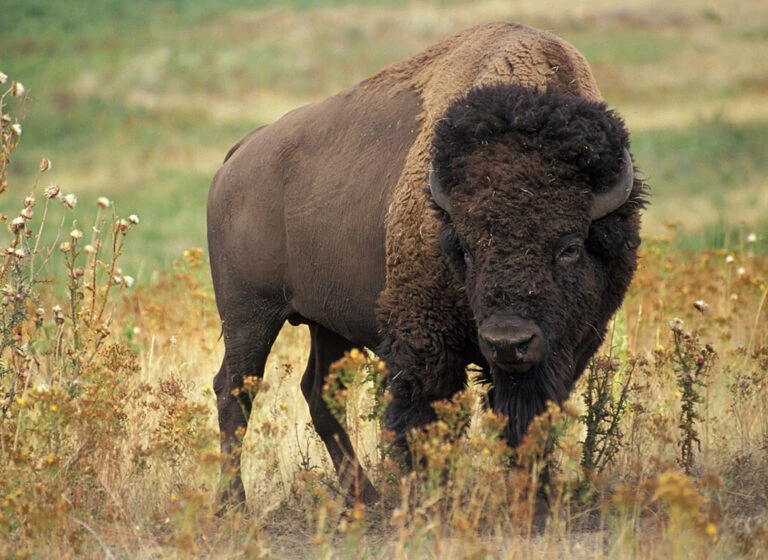
In a milestone for conservation efforts, Mexico has officially reintroduced bison to its native ecosystems. This development marks the return of the species to the country after an absence of 160 years, during which time they were considered extinct within the region.
The Return of the Bison
According to a report by The CSR Journal, a total of forty-seven bison have been successfully relocated to the northern territories of Mexico. This reintroduction is a major step in addressing the long-standing absence of these animals from the Mexican landscape.
The project serves as a significant ecological event, as the species had not been present in the wild in Mexico for over a century and a half. The relocation of these forty-seven individuals is intended to establish a foundation for the species to once again inhabit their historical range.
Focus on Ecological Restoration
The primary objective of this initiative is to facilitate ecological restoration in the northern regions of the country. By reintroducing bison, conservationists aim to revive the species and restore the natural balance of the ecosystems where they once thrived.
Ecological restoration generally refers to the process of assisting the recovery of an ecosystem that has been degraded, damaged, or destroyed. In this context, the presence of bison is expected to play a vital role in maintaining the health and functionality of the environment.
Key Facts Regarding the Initiative
- Extinction Timeline: The species had been absent from Mexican ecosystems for 160 years.
- Number of Animals: A total of 47 bison were involved in the relocation effort.
- Geographic Focus: The animals have been introduced into the northern areas of Mexico.
- Primary Goal: The initiative is designed to support ecological restoration and the revival of the species.
While the project is currently in its early stages of implementation, the relocation of these animals represents a committed effort to reclaim a part of the country's natural heritage that had been lost for generations. Further developments will likely monitor how these animals integrate into their new habitat and contribute to the broader goals of environmental recovery in the region.