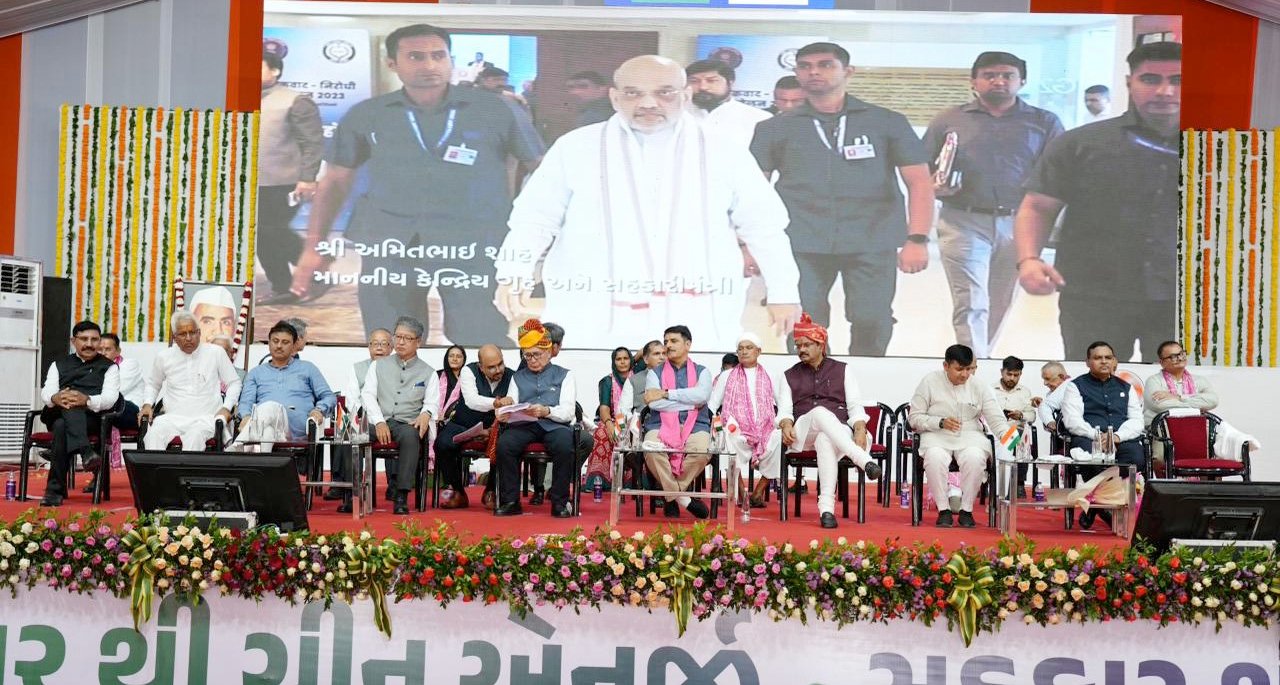
A significant development in renewable energy and rural economic infrastructure has taken place in Gujarat with the inauguration of a new Compressed Biogas (CBG) plant. Located in Vinchhiwadi within the Banaskantha district, this facility is designed to process cattle dung to produce clean energy, while simultaneously creating a new revenue stream for the local dairy community.
Overview of the Vinchhiwadi CBG Project
The newly commissioned plant has a processing capacity of 100 MTPD (Metric Tonnes Per Day). By utilizing cattle dung as the primary feedstock, the facility transforms agricultural waste into Compressed Biogas, a sustainable fuel source that serves as a green alternative to traditional fossil fuels.
According to the Indian Cooperative, the establishment of this plant represents a strategic move to integrate waste-to-energy technology into the regional dairy ecosystem. By converting organic waste into a valuable commodity, the project aims to address both environmental sustainability and economic efficiency for those involved in dairy operations.
Strategic Vision for Dairy Farmers
The project was inaugurated by Shankarbhai Chaudhary, who serves as the Gujarat Legislative Assembly Speaker and the Chairman of Banas Dairy. During the inauguration, Chaudhary highlighted the broader potential of utilizing livestock waste, emphasizing that the initiative aligns with a specific vision regarding the value of waste products.
“Gobar is...”
While the full extent of the quoted vision was not detailed in the provided report, the project’s primary objective remains clear: to provide dairy farmers with a supplemental source of income. By creating a market for cattle dung, the plant helps turn a byproduct of dairy farming into a functional asset, potentially enhancing the financial stability of the local agricultural sector.
Understanding Compressed Biogas (CBG)
Compressed Biogas, often referred to as CBG, is essentially purified biogas that has been compressed for use as fuel. The process involves the anaerobic decomposition of organic materials—in this case, cattle dung—to produce methane-rich gas. Once refined and compressed, this gas can be utilized for various energy needs, including transportation and industrial applications.
The Vinchhiwadi plant serves as a practical application of this technology, showcasing how large-scale dairy operations can participate in the circular economy. Key aspects of the facility include:
- Location: Vinchhiwadi, Banaskantha, Gujarat.
- Capacity: 100 MTPD of dung-based processing.
- Primary Function: Conversion of organic waste into clean energy.
- Economic Impact: Generation of additional income streams for dairy farmers.
The Role of Banas Dairy
The initiative is spearheaded by Banas Dairy, a prominent organization in the region. By investing in a 100 MTPD plant, the dairy cooperative is positioning itself at the forefront of the green energy transition in rural India. The project underscores the importance of institutional support in scaling up decentralized energy solutions, particularly in areas with high livestock density like Banaskantha.
This development signifies a shift in how dairy waste is managed, moving away from traditional disposal methods toward a model that prioritizes energy production and resource recovery. As the plant becomes operational, it is expected to serve as a model for similar initiatives, demonstrating the feasibility of integrating large-scale renewable energy infrastructure with existing rural economic activities.