Shifting Political Dynamics in South Rajasthan
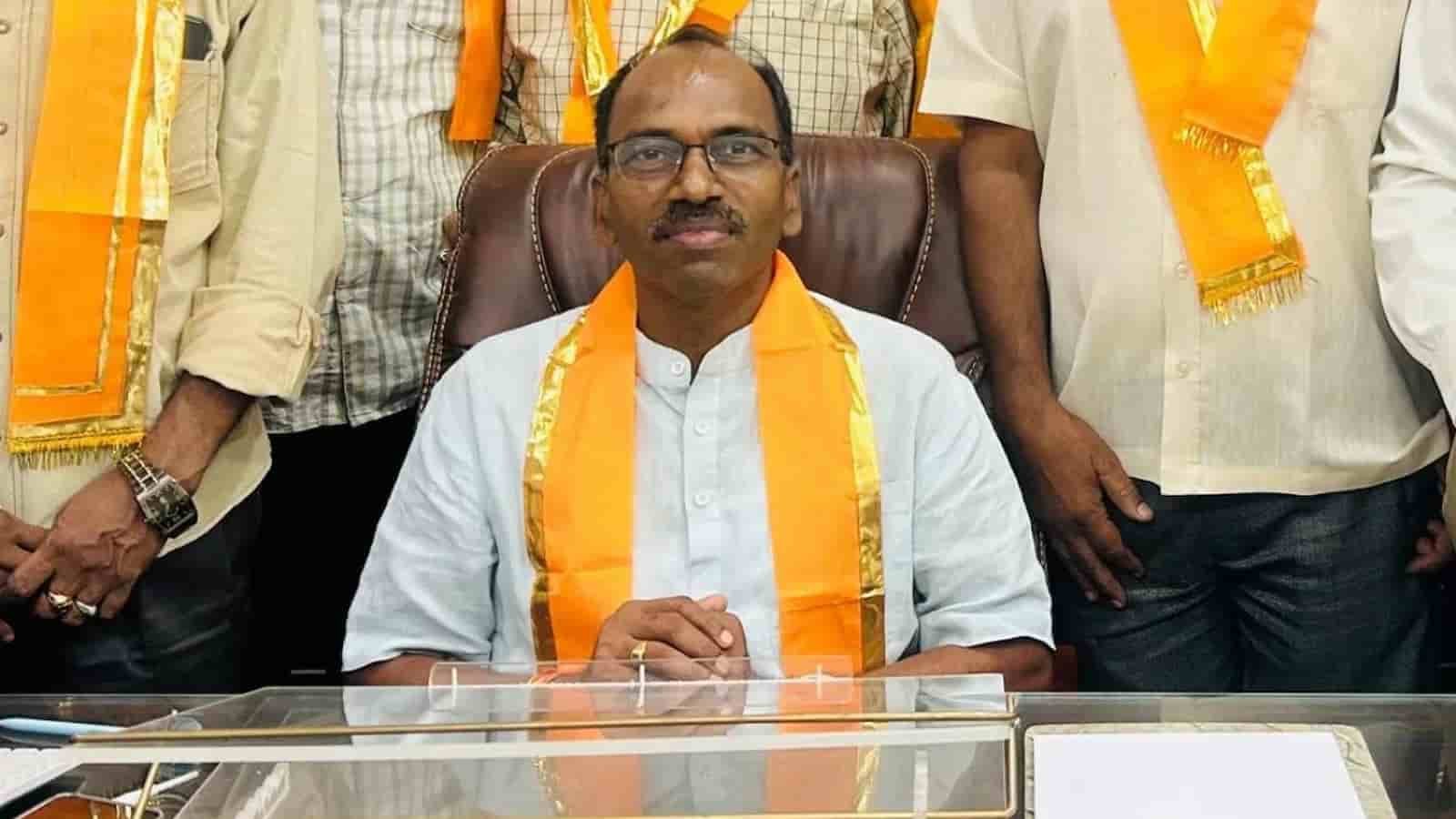
The appointment of Manna Lal Rawat as the president of the BJP ST (Scheduled Tribe) Morcha marks a significant strategic move for the Bharatiya Janata Party in South Rajasthan. According to a report by Aryan Age, this leadership change comes at a time when the region is witnessing a notable shift in electoral allegiances and the rise of new political forces.
As the party looks to consolidate its influence among tribal communities, it faces a complex landscape defined by emerging regional movements and changing voter priorities. The elevation of Rawat is being viewed as a direct response to the evolving political climate in the tribal-dominated belts of Rajasthan.
The Rise of the BAP and Regional Challenges
A primary factor influencing the current political landscape is the expansion of the BAP (Bharat Adivasi Party) across South Rajasthan. The party has begun to gain significant traction, challenging the traditional stronghold of established national parties in the region.
The report from Aryan Age highlights that this expansion is occurring alongside a notable shift in how tribal votes are being cast. This movement is closely tied to the growing momentum behind the demand for Bhil Pradesh. This demand, which seeks a separate state or region for tribal communities, has become a central point of political discourse in the area.
Manna Lal Rawat’s Political Mandate
In his new role as the head of the BJP ST Morcha, Manna Lal Rawat faces what is described as a critical political challenge. The task ahead involves navigating the following issues identified by the source:
- Countering BAP Expansion: Developing strategies to halt the growth of the Bharat Adivasi Party in areas where the BJP has historically maintained support.
- Addressing Tribal Sentiment: Managing the party’s stance on the Bhil Pradesh demand, which has gained substantial ground among the local population.
- Stabilizing the Vote Bank: Working to reverse the trend of shifting tribal votes and re-engaging constituents who may be looking toward regional alternatives.
Implications for the BJP in South Rajasthan
The leadership transition within the ST Morcha reflects the BJP's recognition of the changing dynamics in South Rajasthan. By placing Manna Lal Rawat at the helm of its tribal wing, the party is signaling its intent to engage more directly with the specific concerns of the ST community.
The political environment in the region is currently characterized by a tug-of-war between national political narratives and localized tribal movements. How effectively Rawat can address the grievances and aspirations of the tribal population will likely determine the party's success in retaining its influence in this vital geographical belt. As the Bhil Pradesh movement continues to gain visibility, the ability of the BJP to balance its national policy framework with these regional demands will remain a key area of focus for political observers.
The situation remains fluid, with the Aryan Age report underscoring that the political battle for the tribal vote in South Rajasthan is intensifying, necessitating a strategic and proactive approach from the new leadership.