Historical Presence of the Malavas in the Mahabharata
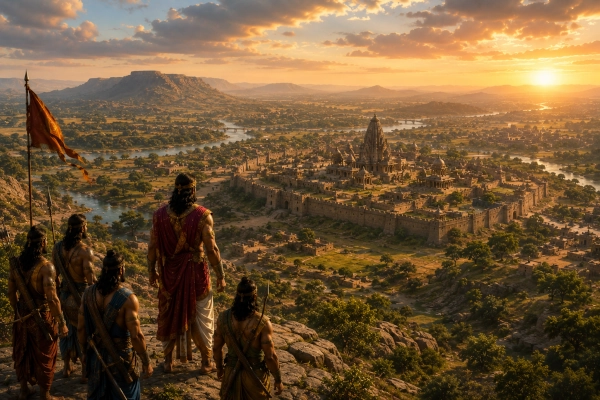
The Mahabharata, one of the most significant epics in Indian history, contains detailed references to various groups that shaped the political and military landscape of ancient India. Among these are the Malavas, a community identified in the text as a distinct and formidable political and military force. According to information provided by Dharmakshethra - India Unabridged, the epic acknowledges the Malavas not merely as a group, but as a structured society with significant influence.
The historical significance of the Malavas is underscored by their repeated appearances throughout the narrative of the Mahabharata. Their involvement in major events described in the epic suggests they were recognized as a group with established leadership and considerable martial prowess during the period covered by the text.
Key Appearances in the Epic
The source highlights that the Malavas were active participants in several critical phases of the Mahabharata’s narrative. Their presence is documented across both diplomatic and military contexts, indicating their importance in the power dynamics of the time:
- Pandava Campaigns: The Malavas are noted as having taken part in the various military campaigns undertaken by the Pandavas.
- Rajasuya Sacrifice: The group was involved in the Rajasuya sacrifice, a grand ritual performed by Yudhishthira to establish his sovereignty. Their inclusion in such a significant political event further highlights their status among the contemporary powers of the era.
- Battlefield of Kurukshetra: The Malavas were also present at the Kurukshetra war, the central conflict of the epic, marking them as a significant military entity on the battlefield.
Leadership and Military Strength
A notable aspect of the depiction of the Malavas in the epic is the specific recognition of their organizational structure. The source notes that the Mahabharata identifies individual Malava chiefs by name. This detail is significant as it confirms that the Malavas possessed a recognized leadership hierarchy and were not an unorganized force.
The text suggests that these chiefs commanded substantial military strength, which allowed the Malavas to remain relevant and visible throughout the events of the Mahabharata. By maintaining both a political identity and a capable military, the Malavas are portrayed as a group that held a distinct position in the ancient Indian landscape.
Connecting the Malavas to the Malwa Region
The historical connection between the ancient Malava people and the geographical Malwa region is a subject of ongoing historical interest. While the Mahabharata provides the narrative context for their existence as a warrior people, their legacy is often linked to the region that bears a similar name today. The information provided by Dharmakshethra serves to bridge the gap between the epic's accounts of these warriors and the historical identity of the Malwa region, framing the Malavas as the ancient force behind the territory's name.
By documenting these appearances, the Mahabharata provides a window into the diverse tribal and political groups that interacted with the protagonists of the epic, ensuring that the Malavas are remembered as a key military and political entity of that time.