Surging Leptospirosis Cases in Telangana Raise Urgent Concerns for Agricultural Communities
The agricultural landscape of Telangana is currently grappling with a significant public health challenge as health officials report an alarming escalation in leptospirosis infections. Over the past two years, the state has witnessed an unprecedented surge in cases, with data indicating a nearly 125-fold increase. This bacterial disease, which is zoonotic in nature, poses a persistent threat to rural populations, particularly those engaged in livestock management, paddy cultivation, and manual labor in waterlogged environments.
Leptospirosis, caused by bacteria of the genus Leptospira, is transmitted to humans through contact with the urine of infected animals—most commonly rodents, cattle, and swine—or through water, soil, and food contaminated with such urine. As Telangana’s agricultural activity intensifies during monsoon cycles and irrigation-heavy seasons, the intersection between livestock handling and human exposure has become a critical focal point for health authorities and veterinary services.
Understanding the Environmental Drivers of the Outbreak
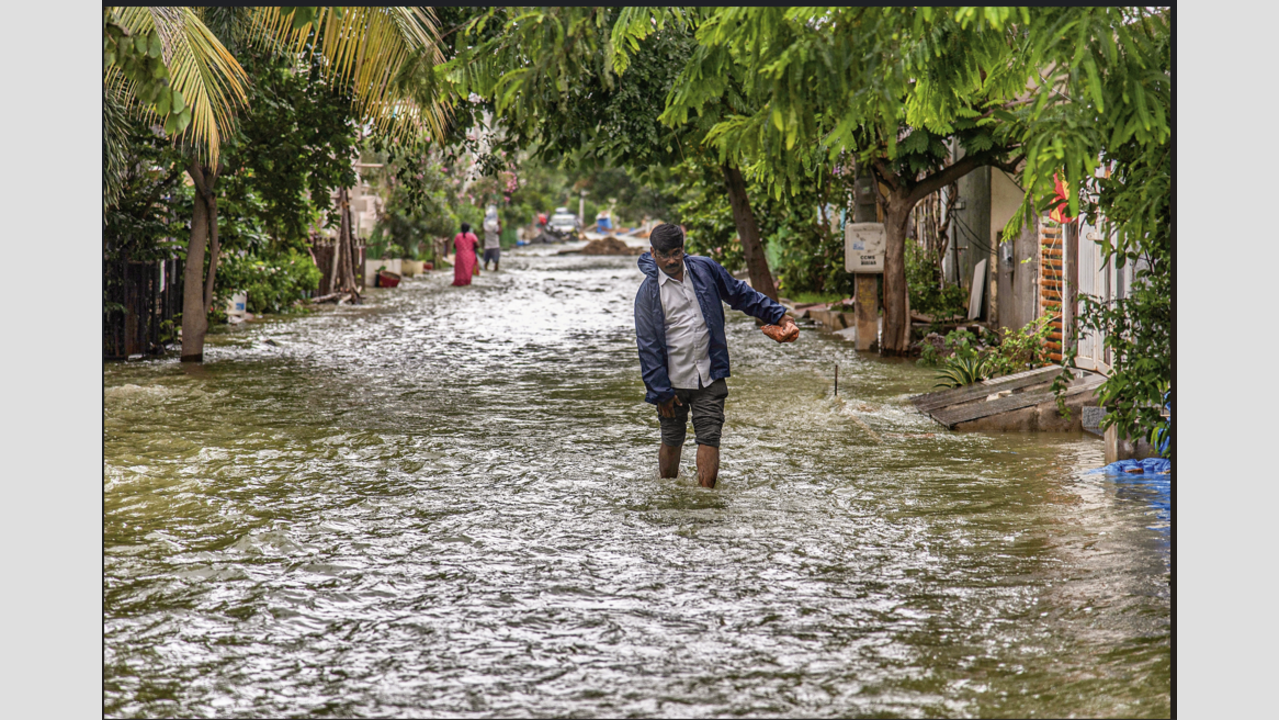
The dramatic spike in transmission rates is largely attributed to a convergence of environmental and operational factors. Leptospirosis thrives in warm, humid conditions where heavy rainfall leads to stagnant water and flooding. In Telangana, the increased frequency of erratic weather patterns and localized flooding has created ideal reservoirs for the Leptospira bacteria to persist in the soil and water long after the rains subside.
Furthermore, the intensification of farming practices has inadvertently created favorable conditions for rodent populations. Poor waste management, improper grain storage, and the accumulation of organic debris on farms provide sustenance and harborage for rats, which act as the primary maintenance hosts for the pathogen. Once these rodents contaminate the environment, the bacteria can penetrate human skin through cuts, abrasions, or mucous membranes, particularly among field workers who spend extended periods wading through flooded paddies without adequate protective equipment.
Public Health Response and Diagnostic Challenges
The rapid rise in documented cases has prompted health departments to amplify surveillance and diagnostic efforts. Historically, leptospirosis has been frequently misdiagnosed due to its non-specific, flu-like symptoms, which often include high fever, severe headaches, muscle aches, and chills. Because these clinical markers overlap with other endemic tropical diseases, such as malaria and dengue, early detection has remained a persistent hurdle.
Medical professionals are now emphasizing the need for heightened clinical suspicion, particularly when patients present with jaundice or renal complications following exposure to agricultural environments. Control strategies are shifting toward a "One Health" approach, which recognizes that the health of people is closely connected to the health of animals and our shared environment. This involves integrated efforts between agricultural extension officers, veterinary doctors, and human healthcare providers to mitigate the spread of the bacteria at the source—the livestock and the environment—rather than relying solely on post-infection clinical intervention.
What This Means for Farmers
For the farming community, this trend necessitates a proactive shift in daily operational safety and livestock management. The economic impact of a leptospirosis outbreak extends beyond personal health; it can lead to reduced labor availability, increased medical expenses, and potential losses in livestock productivity if the pathogen circulates within the herd.
Actionable advice for farmers includes:
- Implement Personal Protective Equipment (PPE): Whenever possible, wear rubber boots and gloves when working in waterlogged fields, cleaning animal sheds, or handling livestock, especially if you have open wounds or skin lesions.
- Improve Rodent Control: Maintain clean farmyards and secure grain storage areas to minimize rodent infestation. Reducing the rat population around living and working quarters is the most effective way to break the transmission cycle.
- Livestock Hygiene: Ensure that animal shelters are kept dry and well-drained. Regularly remove standing water and waste to prevent the accumulation of urine-contaminated moisture.
- Early Symptom Recognition: If you or a farm worker develop a sudden high fever, muscle pain, or jaundice after field work, seek medical attention immediately. Inform the physician about your recent exposure to livestock or waterlogged agricultural land, as this context is vital for an accurate diagnosis and timely antibiotic treatment.
- Veterinary Consultation: Consult with local veterinary services regarding vaccination programs for cattle and pigs, which can reduce the shedding of the bacteria and protect both herd health and human handlers.
By integrating these safety measures into standard agricultural practices, farmers can significantly lower the risk of infection, ensuring that the burden of this disease does not compromise the productivity or the well-being of Telangana’s vital agricultural sector.