Monsoon Surge: Gujarat Records 61% of Seasonal Rainfall in July Alone
The state of Gujarat has experienced a dramatic shift in its monsoon trajectory throughout July, with meteorological data confirming that the region received a substantial 61 percent of its total seasonal rainfall quota within the single month. This intense precipitation event has significantly bolstered the state’s overall water security, bringing the cumulative seasonal rainfall to approximately 65 percent of the long-period average. For a state that frequently grapples with the complexities of semi-arid climate management, this mid-season surge represents a critical turning point for both agricultural planning and groundwater replenishment.
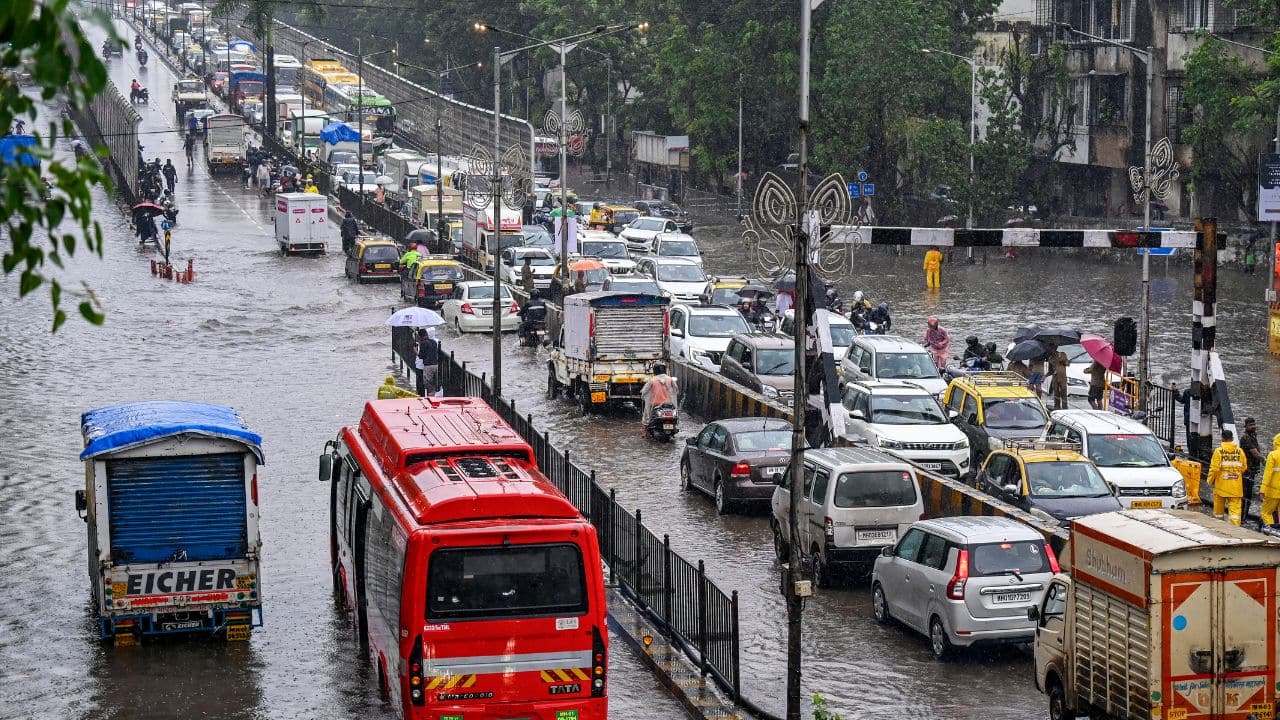
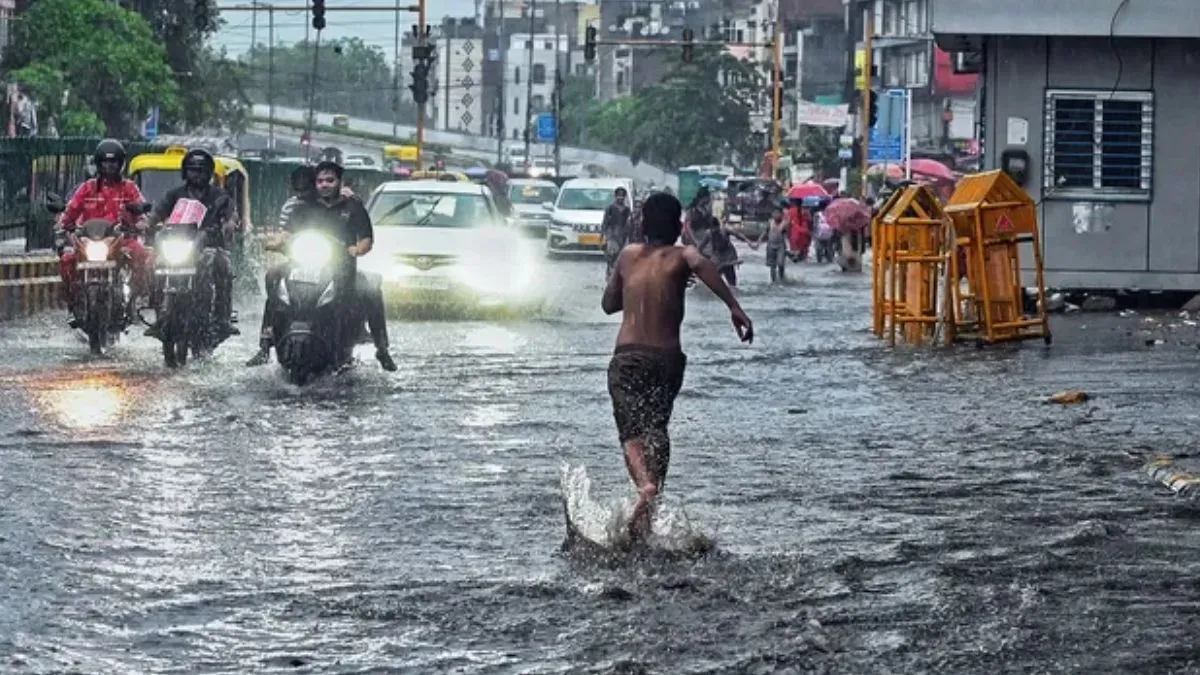
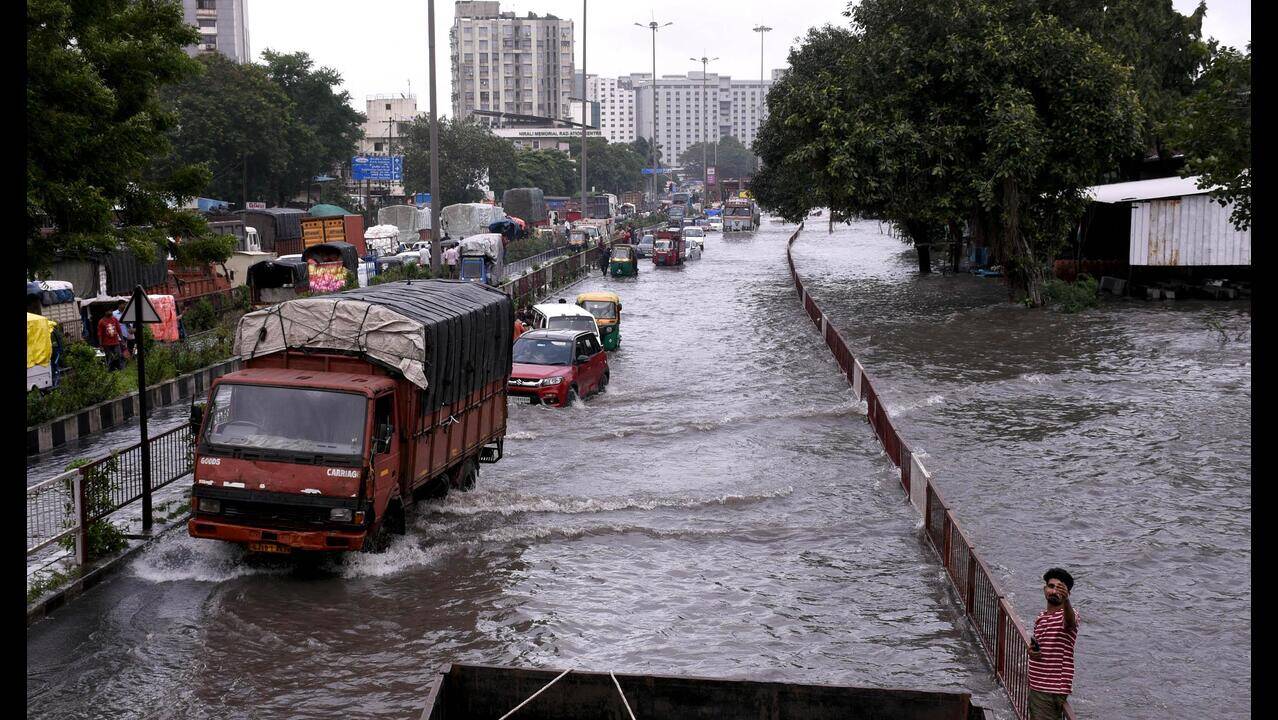
The distribution of rainfall has been particularly notable in urban centers, with Ahmedabad City emerging as a focal point of this weather pattern. Meteorological records indicate that the city registered 570 millimeters of rain in July, marking the second-highest monthly total recorded for the city in the past decade. This concentrated burst of moisture, while providing relief from early-season heat stress, has prompted local authorities and agricultural extension services to closely monitor the impacts on infrastructure and crop health across the region.
Hydrological Impact and Regional Distribution
The intense rainfall experienced in July has fundamentally altered the hydrological landscape of Gujarat. While the state’s overall seasonal deficit has been significantly narrowed, the spatial distribution remains a key area of focus for water resource managers. The rapid accumulation of rain has led to the successful filling of many medium and small-scale reservoirs, which are vital for supplemental irrigation during the post-monsoon period.
Agricultural meteorologists note that the sheer volume of precipitation falling within a compressed timeframe can lead to challenges regarding field saturation and soil erosion. However, the benefits of this influx are widespread. The replenishment of aquifers is expected to provide a buffer for the upcoming rabi season, ensuring that irrigation water remains available even if the tail-end of the monsoon is subdued. Furthermore, the rejuvenation of state-wide water bodies is expected to mitigate the reliance on deep-bore extraction, providing a sustainable reprieve for the state’s groundwater tables.
Agronomic Implications and Crop Management
For the farming community, the July deluge presents a complex set of agronomic conditions. In areas where sowing was delayed due to a sluggish start to the monsoon, the increased soil moisture has provided the necessary conditions for rapid crop establishment. Conversely, in regions that received excessive rainfall, farmers are currently navigating the risks associated with waterlogging and increased humidity, which can create favorable environments for fungal pathogens and pests.
Agronomists are advising producers to prioritize field drainage in low-lying areas to prevent root rot and nutrient leaching. The influx of nitrogen through rainwater, while beneficial for vegetative growth, must be managed carefully to ensure that crops do not become overly susceptible to lodging or disease. Soil health management, including the application of micronutrients that may have been washed away by heavy runoff, is currently a priority for extension offices across the districts.
What This Means for Farmers
The current meteorological situation offers both opportunities and challenges for Gujarat’s agricultural sector. To maximize the benefits of this seasonal surge, farmers should consider the following practical steps:
- Field Drainage Management: Ensure that drainage channels are cleared to prevent prolonged water stagnation. Rapid drainage is essential to protect the root systems of sensitive crops, particularly in clay-heavy soils.
- Integrated Pest Management (IPM): High humidity and moisture are primary catalysts for pest outbreaks. Farmers should increase the frequency of field scouting to identify early signs of fungal infections or insect activity, allowing for targeted rather than prophylactic interventions.
- Nutrient Re-evaluation: Heavy rainfall can leach essential nutrients from the topsoil. Soil testing in the coming weeks will be vital to determine if supplemental fertilization is required to maintain optimal crop productivity through the final stages of the kharif season.
- Water Harvesting Optimization: For those with on-farm storage, this period is ideal for desilting farm ponds and ensuring that rainwater harvesting structures are operating at maximum capacity to secure water for the rabi season.
- Economic Planning: With the seasonal rainfall quota largely met, farmers should look toward stabilizing their input costs by focusing on efficient resource use, shifting focus from survival-based irrigation to productivity-enhancing practices for the remainder of the growing year.
As the monsoon season progresses, the focus must remain on balanced water management and proactive crop protection. By leveraging the current abundance of moisture while mitigating the risks of saturation, the agricultural sector is well-positioned to capitalize on the favorable rainfall patterns established during this record-setting July.