The Resurgence of Civic Engagement at Jantar Mantar
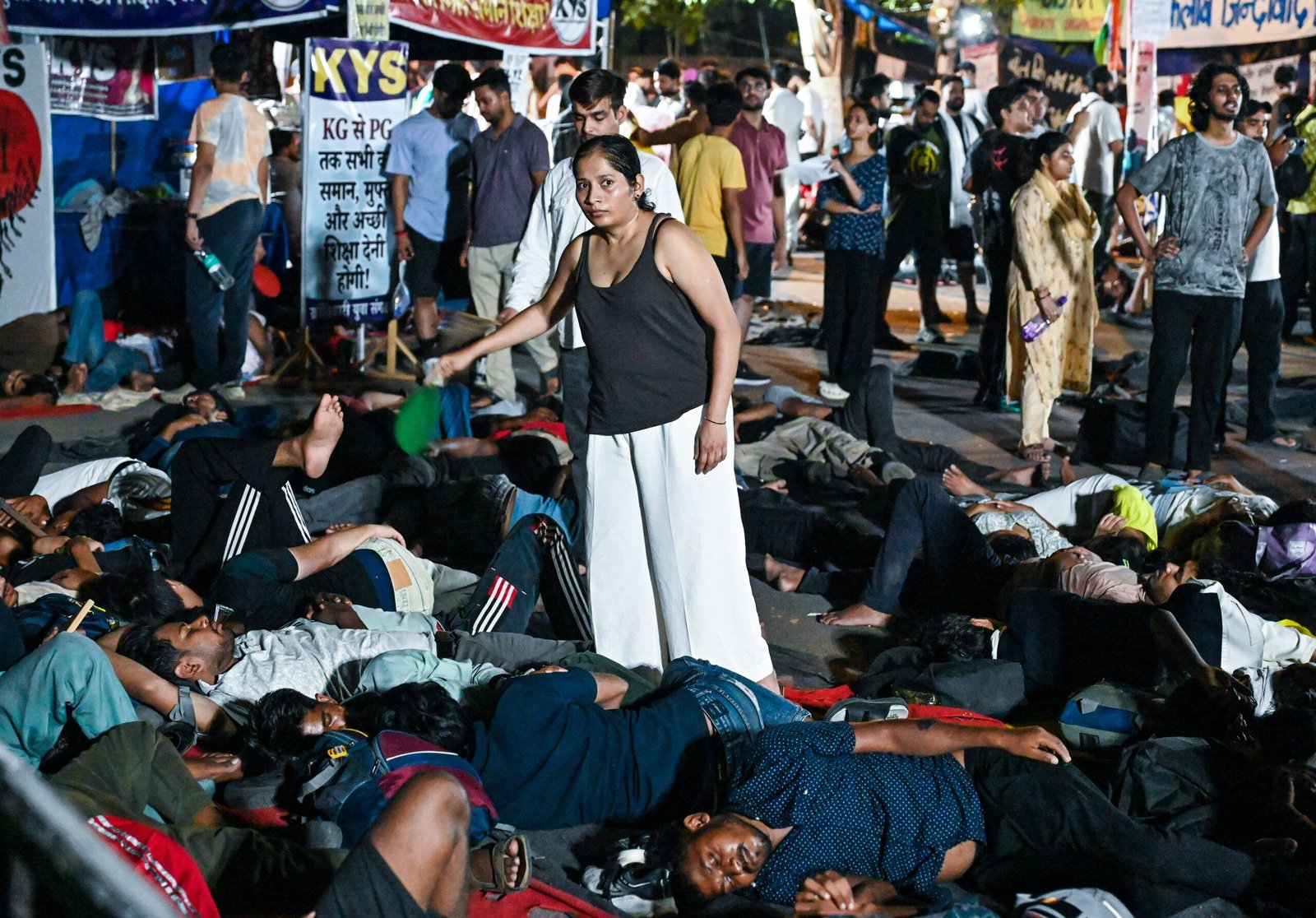
For decades, the historic Jantar Mantar in New Delhi has served as the quintessential crucible of Indian democracy. Recently, the site became the epicenter of a significant student-led congregation, triggered by widespread grievances regarding national examination processes. While the immediate catalyst was a specific controversy surrounding academic testing, the gathering transcended the narrow scope of administrative failure. It signaled a profound moment of political and social awakening among the nation’s youth, highlighting a growing demand for transparency, accountability, and the restoration of institutional integrity.
The assembly was characterized by a diverse cross-section of students, many of whom traveled from various corners of the country to express their disillusionment. Observers noted that the atmosphere was not one of aimless agitation, but rather a structured appeal for systemic reform. By choosing Jantar Mantar—a site steeped in the history of collective bargaining and public discourse—the participants effectively linked their immediate academic concerns to the broader, enduring "mantra" of democratic participation. This event serves as a reminder that the health of a democracy is often measured by the willingness of its citizens, particularly the youth, to hold institutions accountable for the promises they make to the public.
Beyond the Classroom: The Socio-Political Implications
The recent protests underscore a deepening anxiety regarding the intersection of academic meritocracy and institutional credibility. When students lose faith in the mechanisms designed to evaluate their potential, the resulting skepticism often permeates the wider socio-political fabric. The Jantar Mantar gathering was not merely a reaction to a singular policy failure; it was an articulation of a broader frustration with the perceived opacity of public administration. In an era where digital connectivity allows for rapid mobilization, the students utilized these tools to bridge the gap between their local grievances and the national stage.
Furthermore, the event has prompted a necessary dialogue regarding the expectations of the electorate. As students represent the future labor force and the next generation of policymakers, their dissatisfaction carries significant weight. The discourse observed at the site focused heavily on the need for merit-based systems that are insulated from political interference or bureaucratic negligence. By reclaiming the public space of Jantar Mantar, these young activists have reaffirmed that democracy is not a static state of governance, but a dynamic process that requires constant vigilance and active participation to ensure that institutional mandates are fulfilled with fairness and precision.
What This Means for Farmers
While the protests originated in the student sector, the underlying themes of transparency, institutional accountability, and the fight against administrative apathy resonate deeply within the agricultural community. For India’s farmers, who rely heavily on government-backed procurement systems, input subsidies, and transparent market regulations, the integrity of public institutions is a matter of economic survival.
1. Demand for Institutional Transparency: Just as students demand clarity in examination processes, farmers require absolute transparency in Minimum Support Price (MSP) declarations and procurement operations. The student movement serves as a template for how collective, peaceful advocacy can demand structural audits of public agencies. Farmers should note that clear, data-driven demands are essential when engaging with policymakers to ensure that support mechanisms are not compromised by procedural inefficiencies.
2. The Power of Collective Mobilization: The Jantar Mantar event illustrates that geographic distance is no longer an insurmountable barrier to national attention. For agricultural organizations, this reinforces the efficacy of unified, non-partisan advocacy. When farmers organize around specific, well-articulated policy failures—such as the delay in insurance payouts or the mismanagement of fertilizer distribution—they possess the same democratic right to demand corrective action as any other interest group.
3. Economic Consequences of Administrative Failure: The student protest highlights the high cost of administrative delays. For the agricultural sector, where time is dictated by seasonal cycles and crop maturity, bureaucratic stagnation can lead to catastrophic losses. Farmers should view the recent developments as an impetus to push for digitized, time-bound service delivery models in agricultural departments, reducing the room for human error and corruption. By aligning their advocacy with the broader national interest in transparent governance, farmers can strengthen their position in the ongoing discourse regarding rural development and economic policy.