India’s Industrial Engine Accelerates: Manufacturing Growth Hits 7.8% in June
India’s industrial landscape has demonstrated remarkable resilience and renewed vigor, with the latest official data revealing a significant surge in manufacturing output. In June 2025, the sector recorded a growth rate of 7.8%, marking a substantial improvement over the 5.5% expansion observed in May. This acceleration highlights a robust rebound in production cycles and suggests that the country’s industrial base is successfully navigating global economic headwinds to capture stronger momentum heading into the second half of the year.
The latest figures, released by national statistical authorities, indicate that the manufacturing sector—a vital pillar of the Indian economy—is benefiting from a combination of stabilized input costs, improved supply chain efficiencies, and consistent domestic demand. This uptick is being viewed by market analysts as a bellwether for broader macroeconomic health, signaling that the structural reforms and investment initiatives aimed at bolstering the "Make in India" initiative are beginning to yield more consistent, high-growth results across diversified industrial verticals.
Drivers of the Industrial Upswing
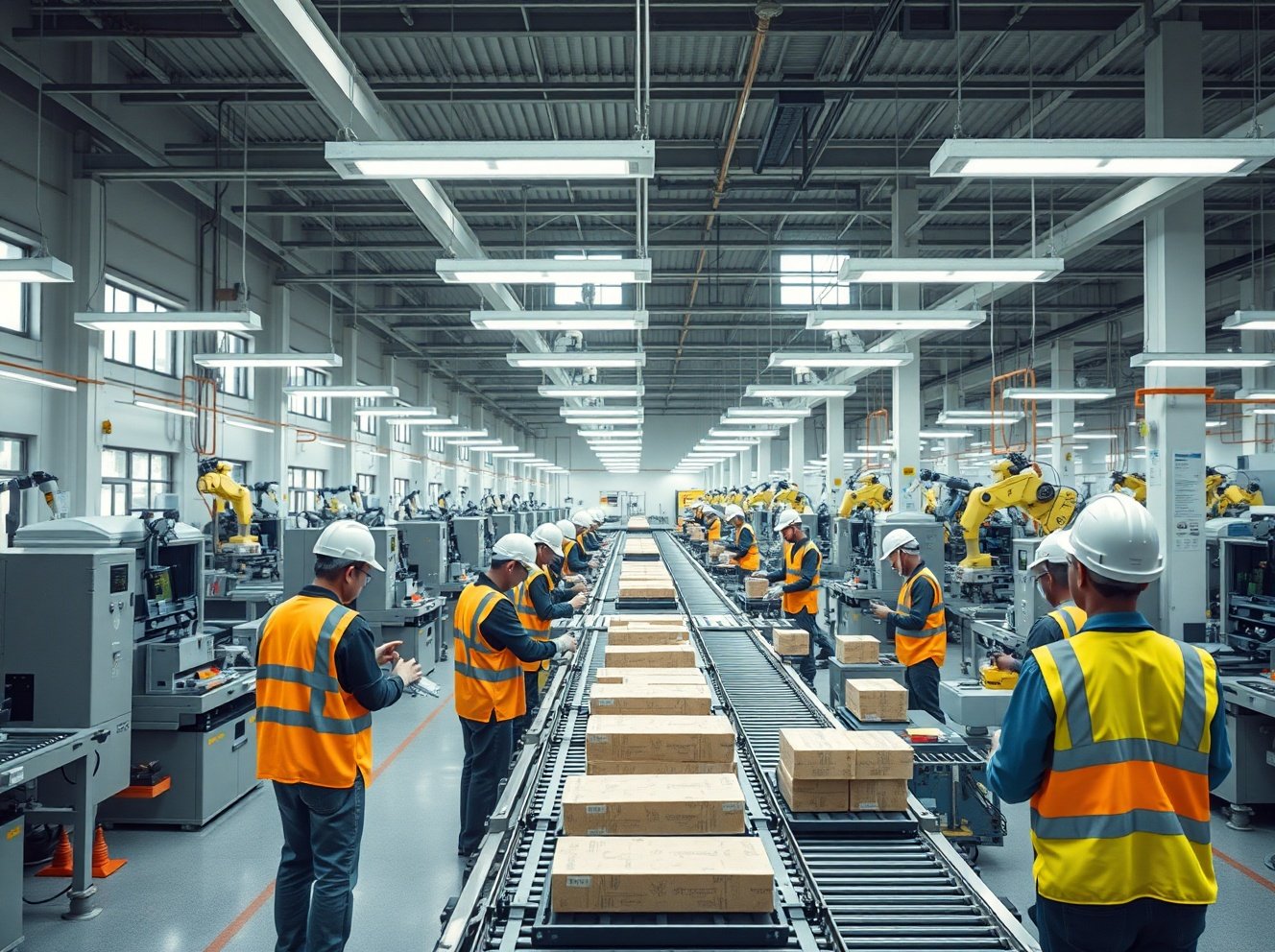
The surge to 7.8% in June was not limited to a single niche but was instead described as broad-based, spanning multiple sub-sectors of the manufacturing ecosystem. Several factors contributed to this positive shift. First, manufacturers reported a notable improvement in capacity utilization rates, driven by a steady influx of new orders. As businesses scaled up production to meet both domestic consumption and export requirements, the ripple effect was felt across the entire supply chain.
Furthermore, the stabilization of raw material prices played a critical role in bolstering profit margins and operational confidence. When manufacturers are shielded from extreme volatility in commodity and energy markets, they are more likely to commit to long-term production schedules and capital expenditure projects. This confidence is essential for sustaining growth, as it encourages firms to optimize their production lines and invest in modern, high-efficiency machinery. The manufacturing sector’s ability to pivot quickly to meet changing consumer preferences—particularly in the electronics, automotive, and capital goods segments—has served as a primary engine for this month-over-month growth acceleration.
Broadening the Economic Impact
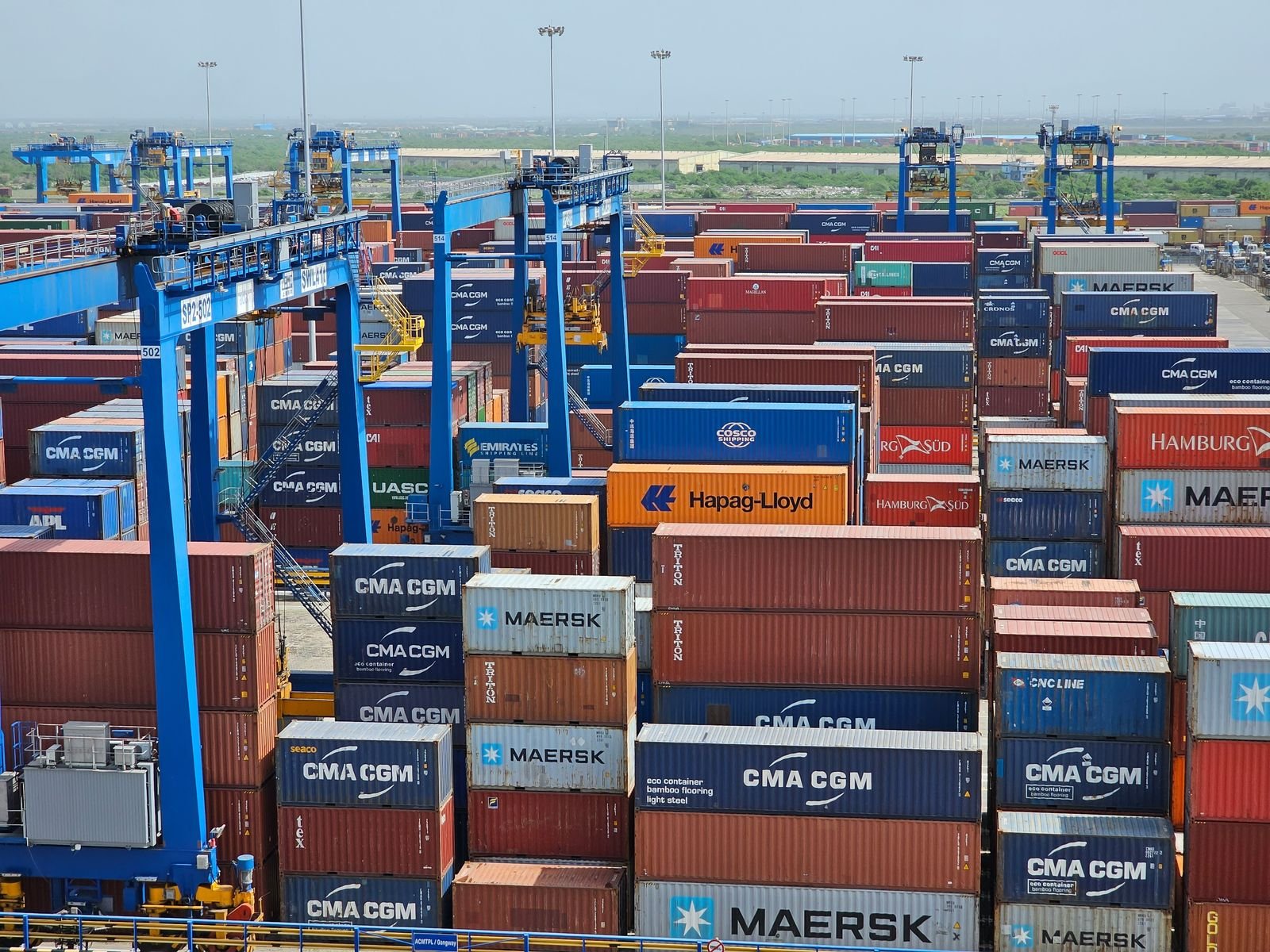
While the manufacturing surge is an industrial headline, its implications extend deep into the socio-economic fabric of the nation. Increased manufacturing output typically correlates with higher demand for energy, logistics, and skilled labor. As factories ramp up production, there is an inherent demand for infrastructure support, ranging from improved port and rail connectivity to reliable power supply. The current growth trajectory suggests that the industrial sector is becoming more deeply integrated with the national logistics grid, allowing for faster turnaround times and more efficient distribution of finished goods.
Additionally, the strength of the manufacturing sector acts as a stabilizer for the currency and helps maintain a favorable balance of trade. By increasing the volume of value-added goods produced domestically, India is effectively reducing its reliance on imports for essential industrial components. This import substitution, coupled with a concerted effort to boost export competitiveness, provides a dual-pronged approach to strengthening the national balance sheet. As the manufacturing sector matures, it continues to attract foreign direct investment, which further fuels technological upgrades and knowledge transfer, creating a virtuous cycle of development.
What This Means for Farmers
While manufacturing and agriculture are often viewed as distinct sectors, the surge in industrial output has tangible, long-term consequences for the farming community. Farmers should consider the following economic impacts and opportunities:
- Increased Demand for Agri-Processing: As the industrial sector grows, there is a corresponding expansion in the food processing industry. A robust manufacturing base often leads to better investment in cold-chain logistics, storage facilities, and processing plants, which can help farmers reduce post-harvest losses and capture more value from their produce.
- Input Cost Stability: A strong manufacturing sector that produces fertilizers, pesticides, and farm machinery domestically can help insulate farmers from the volatility of global supply chains. As industrial efficiency increases, the potential for more affordable, locally manufactured agricultural inputs becomes a reality.
- Labor Market Dynamics: Rising industrial activity often creates new employment opportunities in rural and semi-urban areas. While this can sometimes lead to localized labor shortages during peak harvest seasons, it also increases rural household income, creating a more robust local economy that can sustain higher prices for agricultural products.
- Infrastructure Development: The government’s focus on industrial growth frequently goes hand-in-hand with improved rural infrastructure, including better roads and expanded power grids. These improvements are essential for farmers to transport goods to market quickly and maintain high-quality standards for their crops.
In summary, the 7.8% growth in manufacturing acts as a rising tide that supports the broader economy. By fostering an environment where industrial and agricultural sectors can interact more efficiently, the nation is building a more resilient economic foundation that benefits producers across all segments of the value chain.