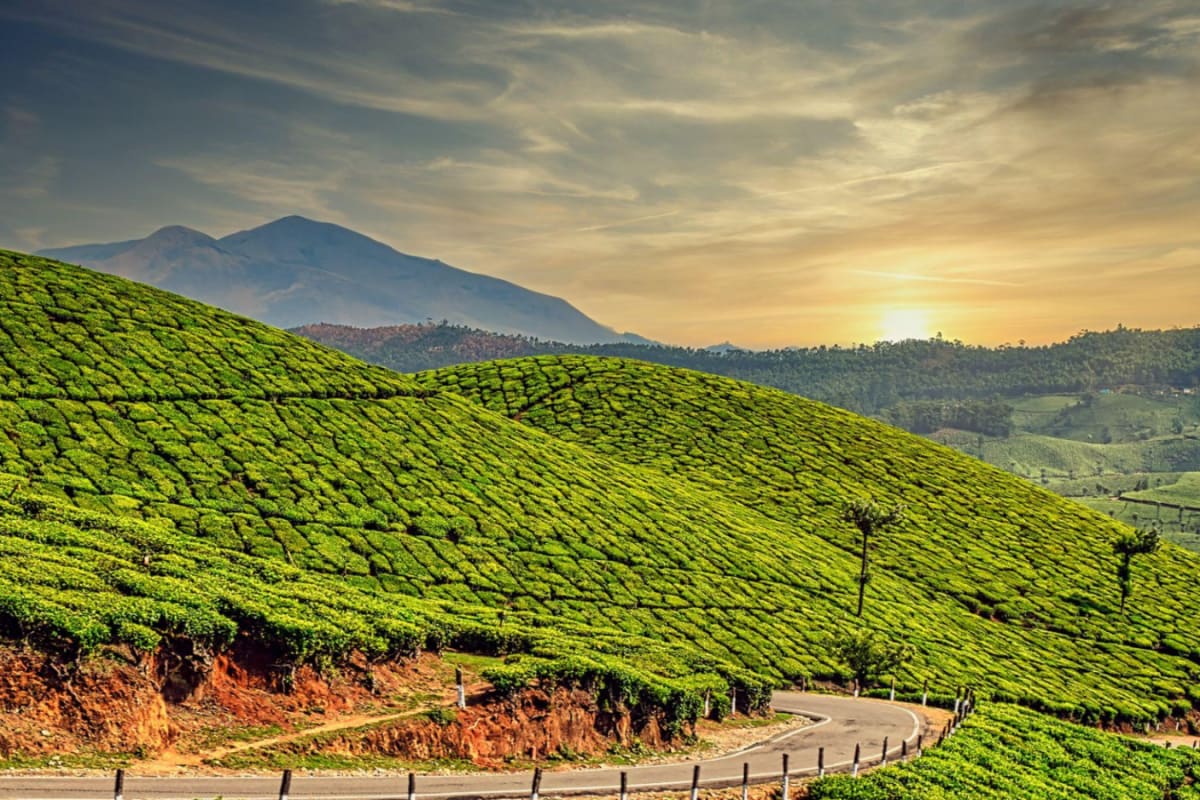
India To Get Greener By 2100, But That May Not Mean Healthier: Decoding The Study
A recent study published in the journal Environmental Research: Climate has introduced a sobering perspective on the future of India’s landscape. While satellite data and predictive modeling suggest that the subcontinent is on a trajectory to become significantly "greener" by the year 2100, researchers warn that this visual expansion of vegetation does not equate to improved ecological health or agricultural resilience. Instead, the study posits that structural greening may be masking deep-seated vulnerabilities that could jeopardize the long-term stability of India's agrarian systems.
The Paradox of Structural Greening
To the casual observer, an increase in green cover—detected via remote sensing—is typically interpreted as a sign of environmental recovery or successful reforestation efforts. However, the researchers emphasize a critical distinction: the difference between "greenness" and "ecological function." In many parts of India, the observed increase in vegetation density is linked to changes in climate variables, such as shifted precipitation patterns and rising atmospheric carbon dioxide levels, which can stimulate rapid, superficial growth in plant biomass.
The study highlights that this greening is often uneven and potentially deceptive. Much of the increased biomass is not necessarily composed of diverse, native, or climate-resilient flora. Instead, it may be driven by invasive species or shifts in monoculture cropping patterns that respond aggressively to warmer, wetter conditions. Consequently, while the landscape may appear lusher from a satellite’s vantage point, the underlying soil health, water retention capacity, and biodiversity levels may actually be in a state of decline. This "green camouflage" hides a reduction in the functional complexity of ecosystems, leaving the land less capable of supporting stable, long-term agricultural production.
Ecological Vulnerabilities and Functional Health Risks
The core concern raised by the research is the decoupling of aesthetic greenness from functional stability. As India moves toward the end of the century, the study suggests that the ecological health of its agricultural heartlands remains at risk due to several factors:
- Hydrological Stress: Increased biomass often leads to higher evapotranspiration rates. If the "green" growth is not supported by sustainable water management, it can deplete groundwater reserves more rapidly, leading to localized droughts during critical crop development stages.
- Biodiversity Erosion: When landscape greening is driven by a limited number of fast-growing species, the resulting lack of biological diversity weakens the ecosystem's natural defenses against pests and pathogens. This creates a reliance on chemical interventions, further degrading soil quality.
- Climate Feedback Loops: The study notes that changes in vegetation structure can alter local albedo and surface temperatures. If the greening is not composed of deep-rooted, native vegetation, it may fail to mitigate heat-island effects, ultimately increasing the thermal stress on both livestock and food crops.
These functional risks suggest that the "greening" of India may be a symptom of a changing climate rather than a sign of a healthier environment. Without targeted interventions to ensure that this vegetation is biologically and hydrologically beneficial, the nation may face a future where the land looks healthier than it actually is, leaving food security vulnerable to extreme weather events that the simplified ecosystem cannot withstand.
What This Means for Farmers
For the farming community, the findings of this study serve as a crucial reminder to look beyond surface-level indicators of land health. Relying on visual growth as a metric for success can be misleading; farmers must prioritize deep-soil health and water security as the primary indicators of a productive operation.
Actionable steps for producers include:
- Shift Toward Regenerative Practices: Farmers are encouraged to focus on building organic matter within the soil profile. Healthy soil acts as a buffer against both the rapid vegetation growth that masks underlying degradation and the extreme weather events that threaten crop yields.
- Diversification of Crop Systems: To mitigate the risks associated with monoculture-driven greening, integrating diverse crop rotations and agroforestry can restore ecological balance, improve pest resistance, and provide a more stable economic cushion.
- Precision Water Management: Given the potential for increased evapotranspiration as the climate shifts, farmers should adopt precision irrigation techniques to ensure that water usage is optimized for plant health rather than mere biomass production.
- Long-term Planning: Policy makers and agricultural advisors should re-evaluate land-use strategies. Moving forward, the focus must shift from simply increasing "green cover" to fostering "functional landscapes" that prioritize native species and resilient, sustainable agricultural models over rapid, superficial growth.
Ultimately, the study serves as a call to action for the agricultural sector: true productivity in 2100 will not be measured by the color of the landscape, but by the resilience of the soil and the sustainability of the resources that sustain it.