Monsoon Surge Set to Bring Widespread Relief and Hydrological Challenges Across Northern and Northeastern India
The India Meteorological Department (IMD) has issued a significant weather alert as the monsoon trough shifts, signaling an intensification of rainfall across the northern and northeastern corridors of the country. After a period of sweltering heat and variable moisture levels, the atmospheric conditions are aligning to trigger heavy to extremely heavy precipitation. This shift is expected to provide substantial relief from extreme heat in the national capital while simultaneously raising concerns regarding soil saturation, potential runoff, and agricultural logistics in the high-altitude regions of the Himalayas.
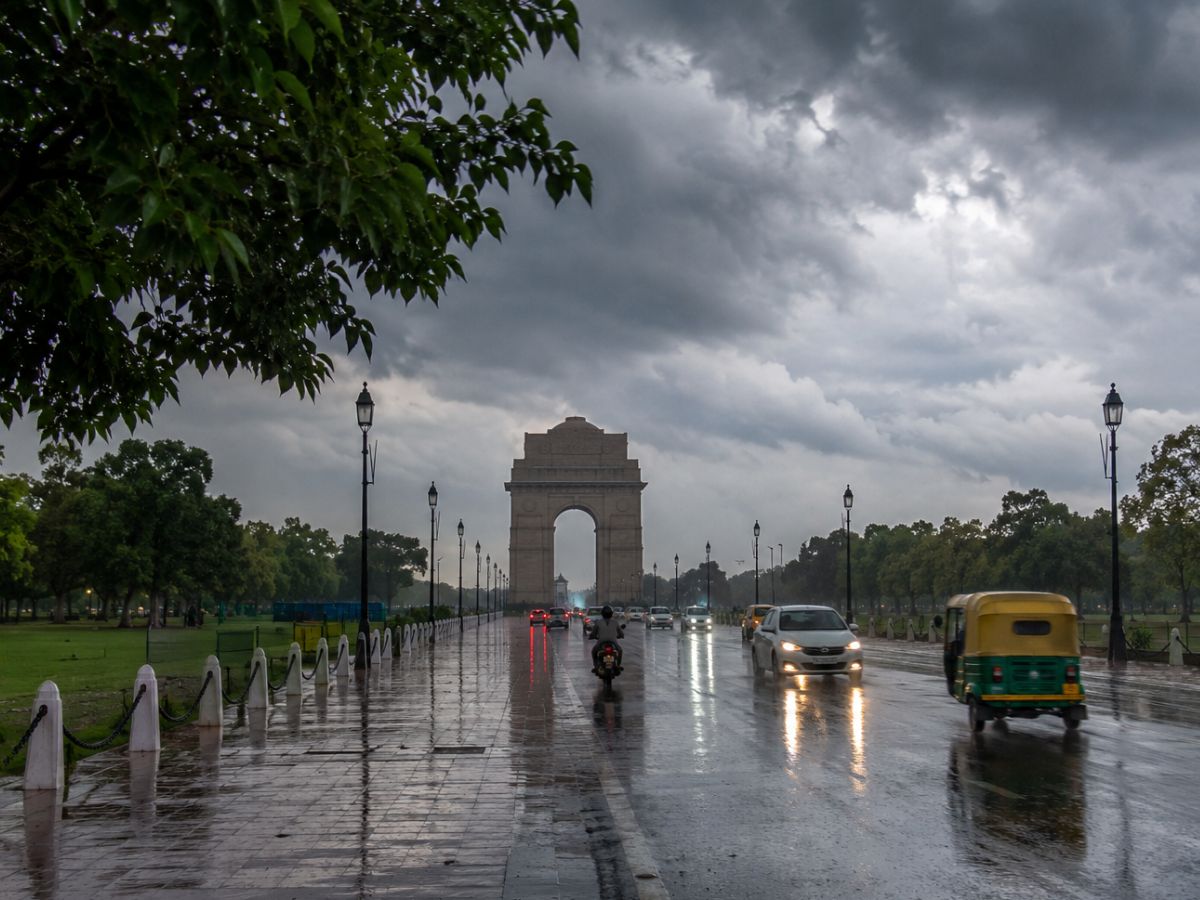
For the plains and the capital city of Delhi, the transition will be abrupt. Forecasts indicate a sharp decline in mercury levels, with maximum temperatures projected to plummet from 40 degrees Celsius—recorded as recently as Sunday—to a much cooler 30 degrees Celsius by Tuesday. This cooling trend is driven by persistent cloud cover and sustained rainfall, which will effectively break the cycle of heat stress that has affected both urban centers and surrounding peri-urban agricultural zones.
High-Altitude Regions Brace for Sustained Precipitation
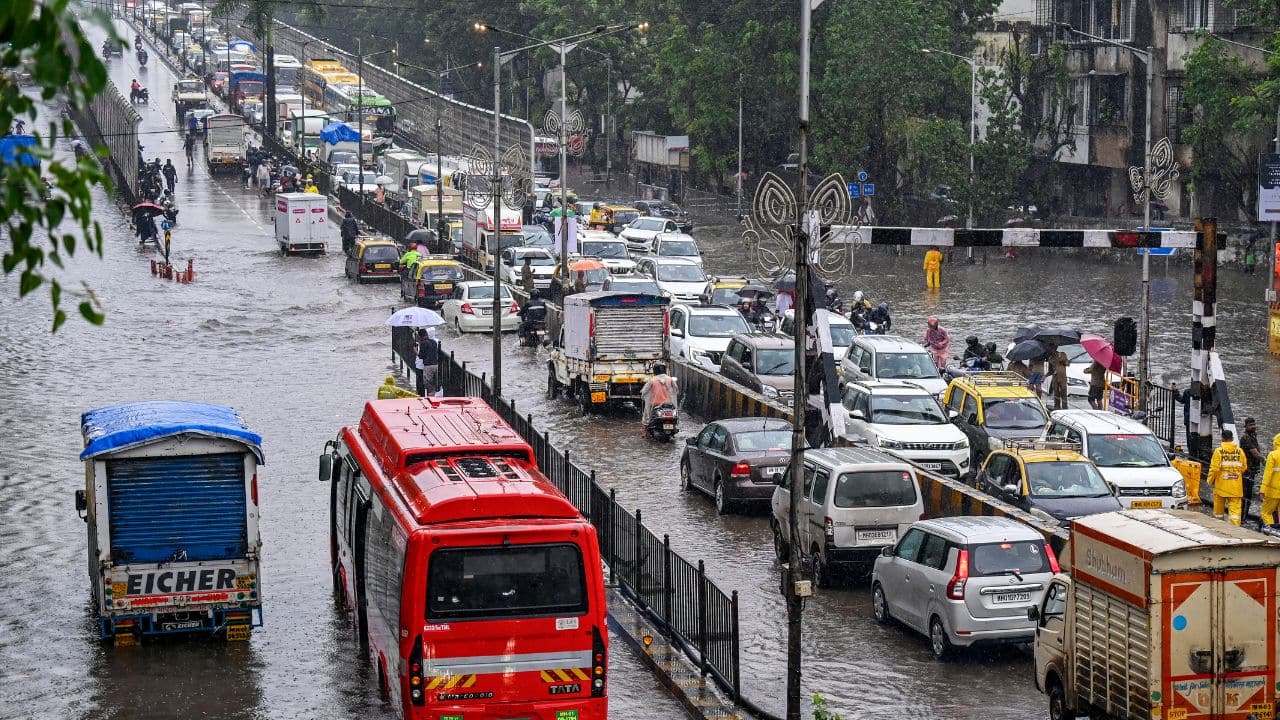
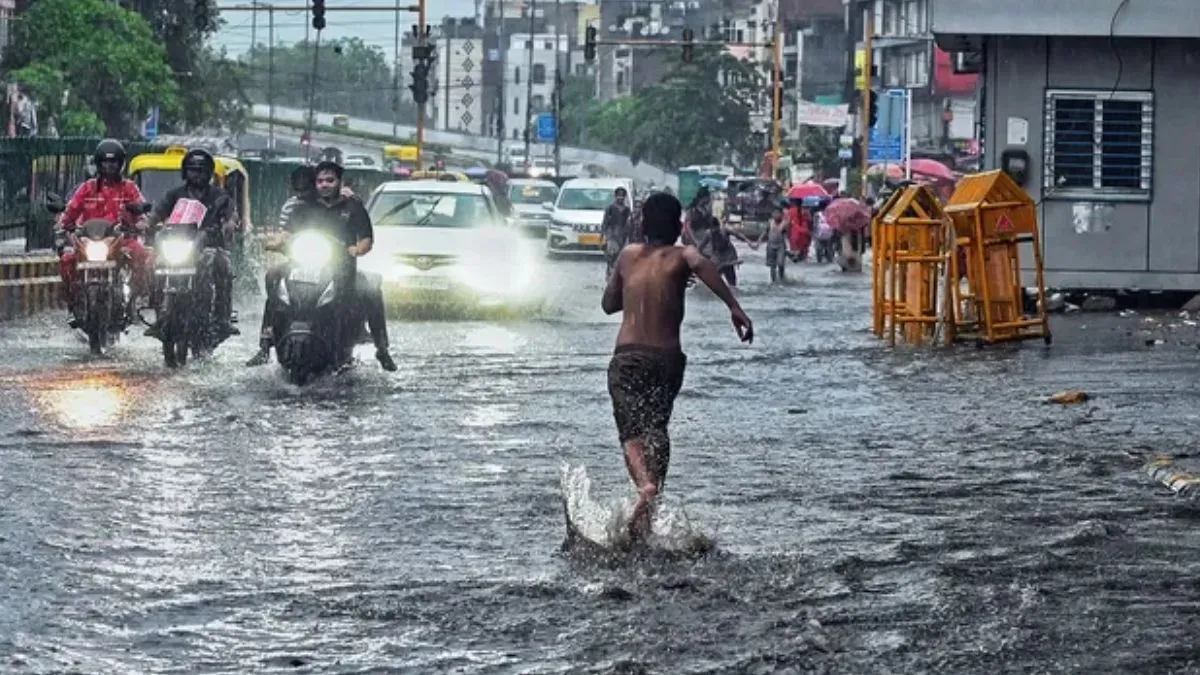
While the cooling trend is welcomed in metropolitan areas, the focus of the meteorological department remains firmly on the mountainous states of Himachal Pradesh, Jammu and Kashmir, and Uttarakhand. These regions are bracing for heavy to extremely heavy rainfall, which is characteristic of the monsoon’s peak intensity. In these topographically complex landscapes, intense rainfall often leads to rapid surface runoff, increasing the risk of landslides and flash floods, which can disrupt vital supply chains and rural transport networks.
The northeastern states are also expected to witness heightened monsoon activity. The region’s unique geography, combined with the current low-pressure systems, suggests that prolonged rainfall will be the defining feature of the coming week. For farmers in these zones, the primary concern is the management of standing crops and the prevention of soil erosion. The intensity of the forecasted rain may overwhelm current drainage capacities, making vigilance regarding field moisture levels and water management infrastructure a top priority for local agricultural extension services.
Managing Agronomic Risks During Peak Monsoon
The shift in weather patterns necessitates a swift change in farm-level management strategies. As the monsoon intensifies, the primary objective for growers must be the protection of crops from waterlogging and the mitigation of secondary risks associated with high humidity, such as fungal pathogens and pest outbreaks. The sudden drop in temperature, while beneficial for reducing heat stress, can also create a microclimate that favors the rapid spread of certain crop diseases if fields are not adequately managed.
What This Means for Farmers
The intensification of the monsoon over the coming days presents both a blessing and a significant management challenge for the agricultural community. To navigate this period effectively, farmers should consider the following actionable steps:
- Prioritize Drainage: Ensure that field drainage channels are clear of debris. In high-rainfall zones, preventing standing water is critical to protecting root health and ensuring that soil aeration is maintained.
- Monitor for Pathogens: High humidity and cooler temperatures are ideal conditions for fungal infections. Farmers should conduct frequent scouting for signs of leaf spots, blights, or mildew and be prepared to apply prophylactic measures if necessary.
- Adjust Irrigation Schedules: With heavy rainfall imminent, surface irrigation should be suspended to avoid over-saturation of the soil, which can lead to nutrient leaching and reduced crop vigor.
- Protect Harvested Produce: For those in the middle of harvest or post-harvest processing, ensure that all produce is moved to covered, well-ventilated storage areas. Moisture management is essential to prevent spoilage and mycotoxin development during high-humidity events.
- Infrastructure Vigilance: In mountainous regions, keep a close watch on slope stability near terraced fields. Strengthening embankments and ensuring proper runoff diversion can prevent long-term damage to arable land.
Ultimately, while the monsoon provides the essential water required for the Kharif season, the current forecast of intense, concentrated rainfall demands a proactive approach to farm management. By prioritizing field sanitation and drainage, producers can mitigate the risks of extreme weather and ensure that the monsoon’s moisture translates into healthy crop outcomes rather than logistical disruptions.