Monsoon Crisis Deepens: Widespread Flooding Across India Claims Dozens
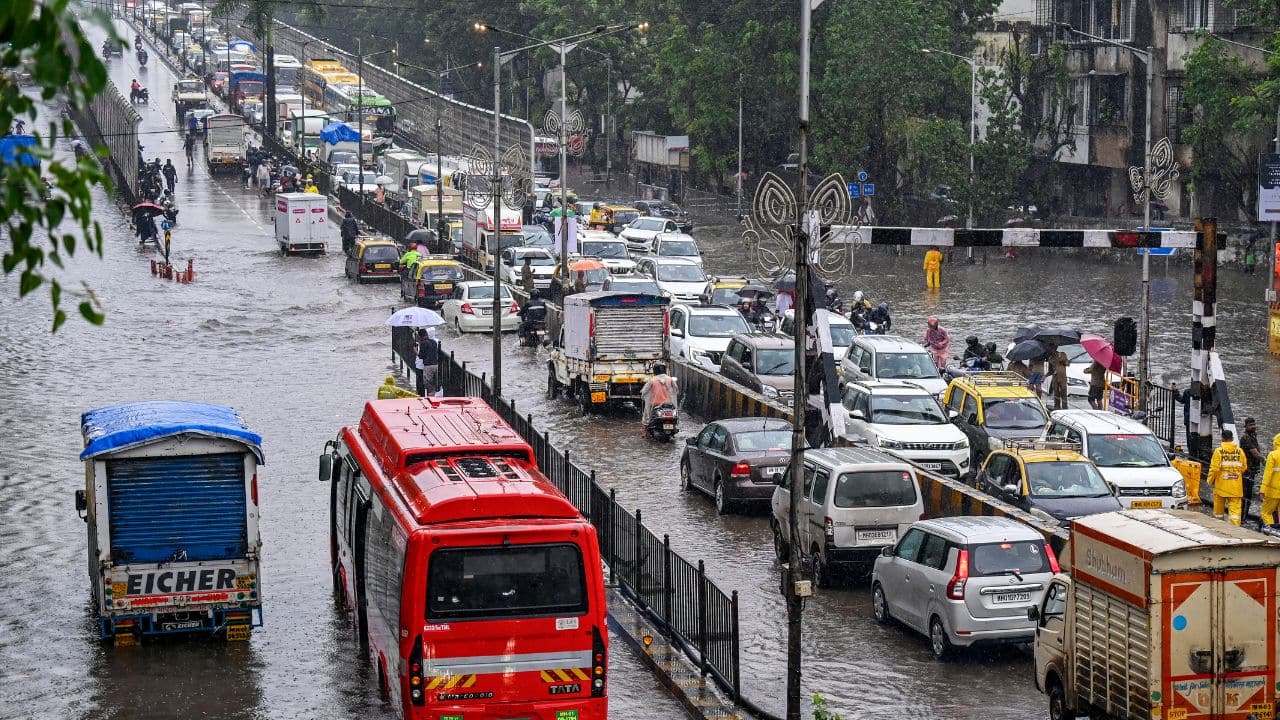
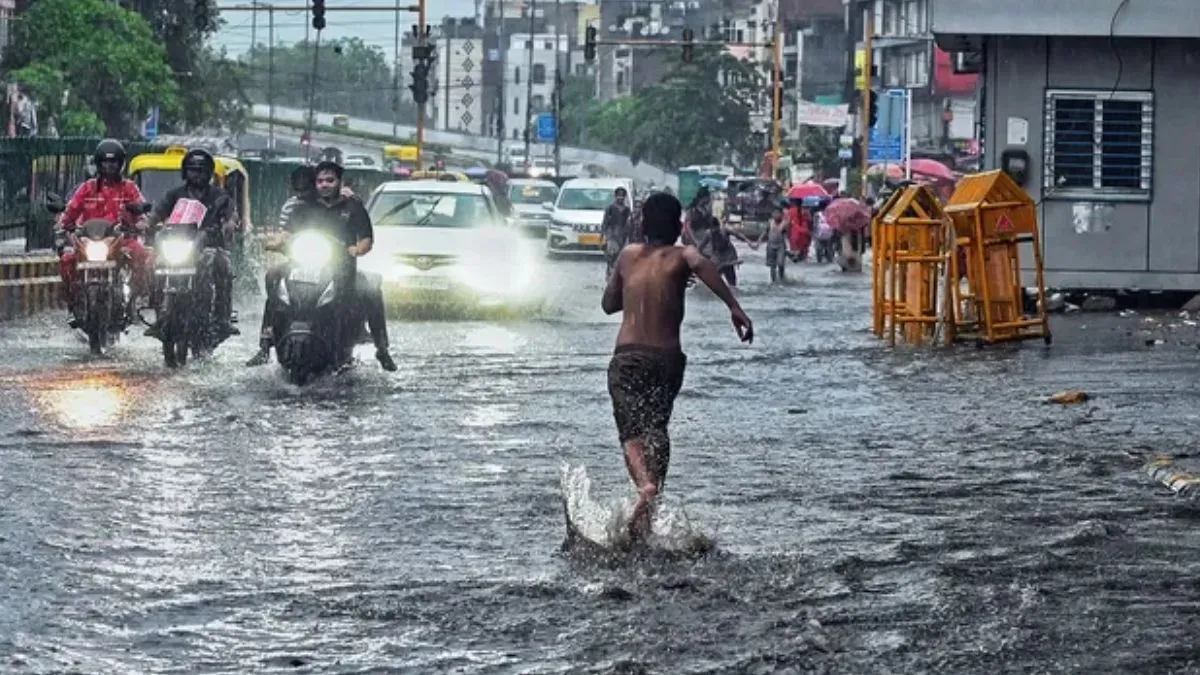
The monsoon season has taken a catastrophic turn across India, as relentless rainfall continues to batter multiple states, leading to a humanitarian crisis and significant infrastructure damage. As of Sunday, the flood situation remains critical, with Assam bearing the brunt of the deluge. The death toll in the northeastern state has climbed to 82, as rising river levels and breached embankments leave thousands of residents displaced from their homes and livelihoods.
While the focus remains on the humanitarian tragedy in the Northeast, the impact of this year’s monsoon is geographically expansive. Southern and central regions are also grappling with severe weather conditions. In Kerala, authorities have confirmed eight fatalities linked to rain-related incidents, while Chhattisgarh and Gujarat report widespread waterlogging and logistical disruptions. The India Meteorological Department (IMD) has issued high-alert warnings, signaling that the current weather systems are likely to intensify, bringing further heavy rainfall and escalating the risk of flash floods across vulnerable topographies in the coming days.
The Agrarian Impact: Crop Destruction and Soil Degradation
For India’s agricultural sector, the current monsoon mayhem represents more than just a temporary weather event; it poses a direct threat to food security and farm incomes. The flooding of low-lying agricultural tracts, particularly in the Brahmaputra valley of Assam, has submerged vast swathes of standing crops. When fields remain waterlogged for extended periods, the primary risk is root suffocation, which can lead to rapid crop decay and the onset of fungal diseases.
Beyond the immediate loss of standing produce, the heavy rains contribute to significant soil erosion and the leaching of essential nutrients. Topsoil, which contains the vital organic matter necessary for healthy crop growth, is frequently washed away during flash floods, leaving behind barren or degraded land that will require extensive rehabilitation. Furthermore, the disruption of irrigation infrastructure and rural transport networks means that even farmers whose crops remain intact may face severe difficulties in accessing markets, leading to post-harvest losses and supply chain bottlenecks that exacerbate market volatility.
Preparedness and the Long-Term Climate Outlook
The intensity of the current monsoon season highlights the increasing volatility of India’s climate patterns. Meteorological experts suggest that a warming atmosphere, combined with shifting monsoon currents, is leading to shorter, more intense bursts of rainfall rather than the steady, distributed showers historically associated with the season. This shift makes flood management increasingly complex, as traditional drainage systems are often overwhelmed by the sheer volume of water delivered in a short timeframe.
State and central disaster management agencies are currently engaged in extensive rescue and relief operations. However, the recurring nature of these floods necessitates a shift in strategy. Investment in resilient infrastructure—such as improved embankment systems, scientific land-use planning, and the promotion of flood-tolerant crop varieties—is becoming essential. As the IMD continues to track the movement of low-pressure systems, the focus remains on minimizing the loss of life and livestock while preparing for the inevitable recovery phase in the affected regions.
What This Means for Farmers
The current situation presents an urgent set of challenges for the farming community. For those in flood-prone areas, the immediate priority is the safety of livestock and the securing of stored grain or fodder in elevated locations. Farmers are advised to maintain close communication with local agricultural extension offices to receive real-time updates on weather forecasts and potential threats to their specific crop zones.
- Monitor Soil Health: Post-flood, fields will likely require a thorough assessment of nutrient levels. Heavy rains often wash away nitrogen, phosphorus, and potassium; soil testing will be crucial before replanting to determine necessary amendments.
- Disease Management: Increased humidity and standing water create ideal conditions for pests and pathogens. Farmers should be vigilant for signs of rot, fungal infections, or pest outbreaks and consult local agronomists on appropriate, safe treatments.
- Insurance and Documentation: To mitigate financial losses, farmers must document all damage thoroughly. Photographic evidence of destroyed crops and damaged infrastructure is vital for filing insurance claims and accessing government relief packages.
- Long-term Adaptation: If your region is experiencing more frequent flooding, consider consulting with agricultural experts regarding the adoption of short-duration or flood-resistant crop varieties that can better withstand extreme weather events in future seasons.
As the monsoon continues, the resilience of the Indian agricultural sector is once again being tested. By prioritizing safety, documenting losses, and planning for post-flood soil recovery, farmers can better navigate the immediate aftermath of these devastating floods.