Gujarat Health Authorities Mobilize Response Teams as Monsoon Deluge Triggers State-Wide Alert
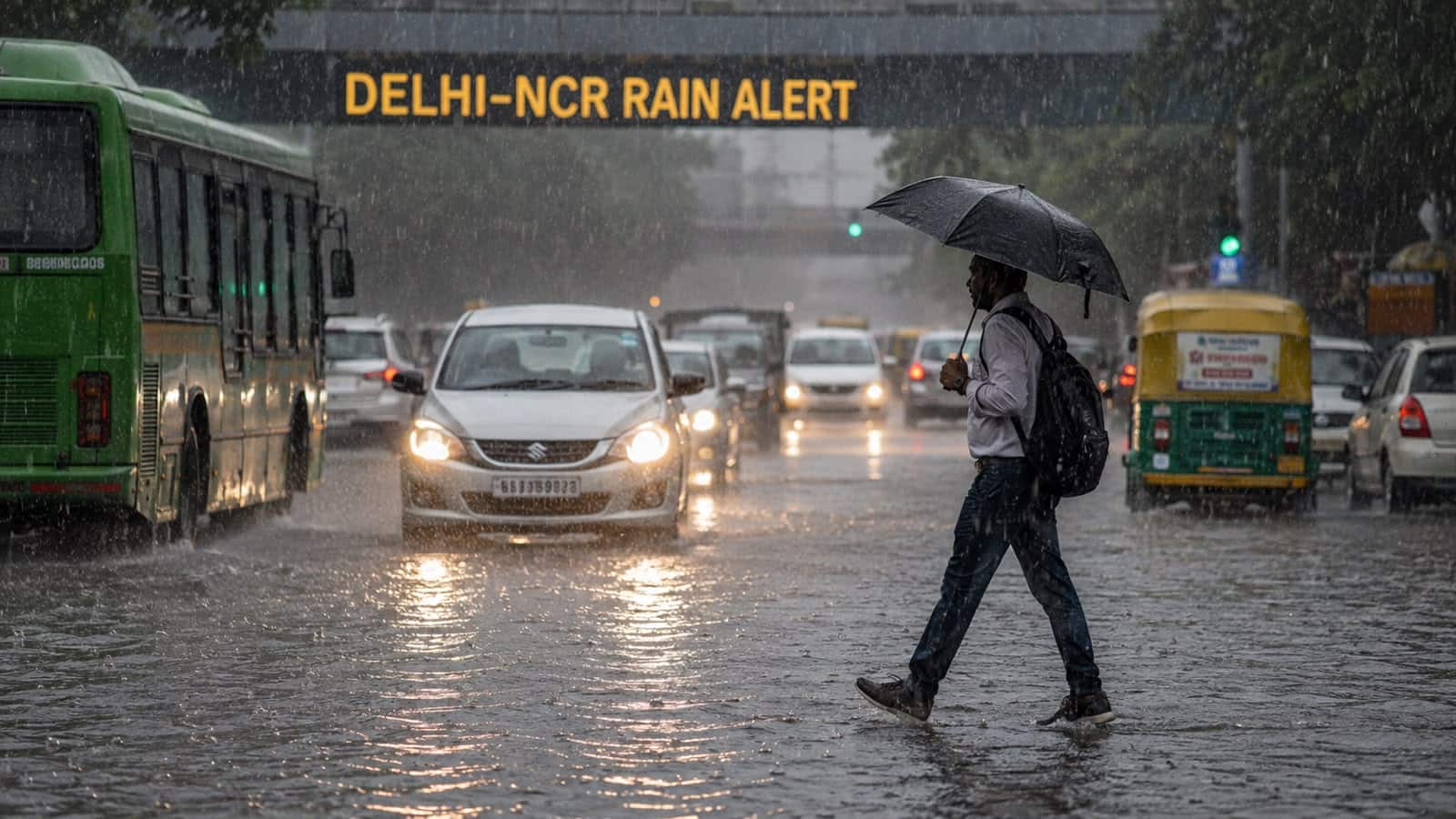
The Gujarat State Government’s Health Department has officially transitioned to a high-alert status following a period of persistent and heavy rainfall that has impacted large swathes of the region. As monsoon conditions continue to challenge local infrastructure, the administration has moved to centralize its emergency response protocols, ensuring that healthcare services remain uninterrupted even in the most isolated rural communities. The strategic mobilization comes as a proactive measure to mitigate the risks of waterborne diseases and logistical disruptions that typically follow extreme weather events in agricultural heartlands.
Recognizing the critical nature of the situation, the state health ministry has activated 24x7 control rooms across all districts. These centers serve as the nerve system for real-time monitoring of health indicators, resource allocation, and the rapid deployment of emergency medical units. By streamlining communication between local health outposts and the state-level command center, the government aims to ensure that medical supplies, including essential medications and diagnostic tools, reach affected areas without the delays often caused by damaged road networks.
Strengthening Rural Healthcare Resilience Amidst Monsoon Challenges
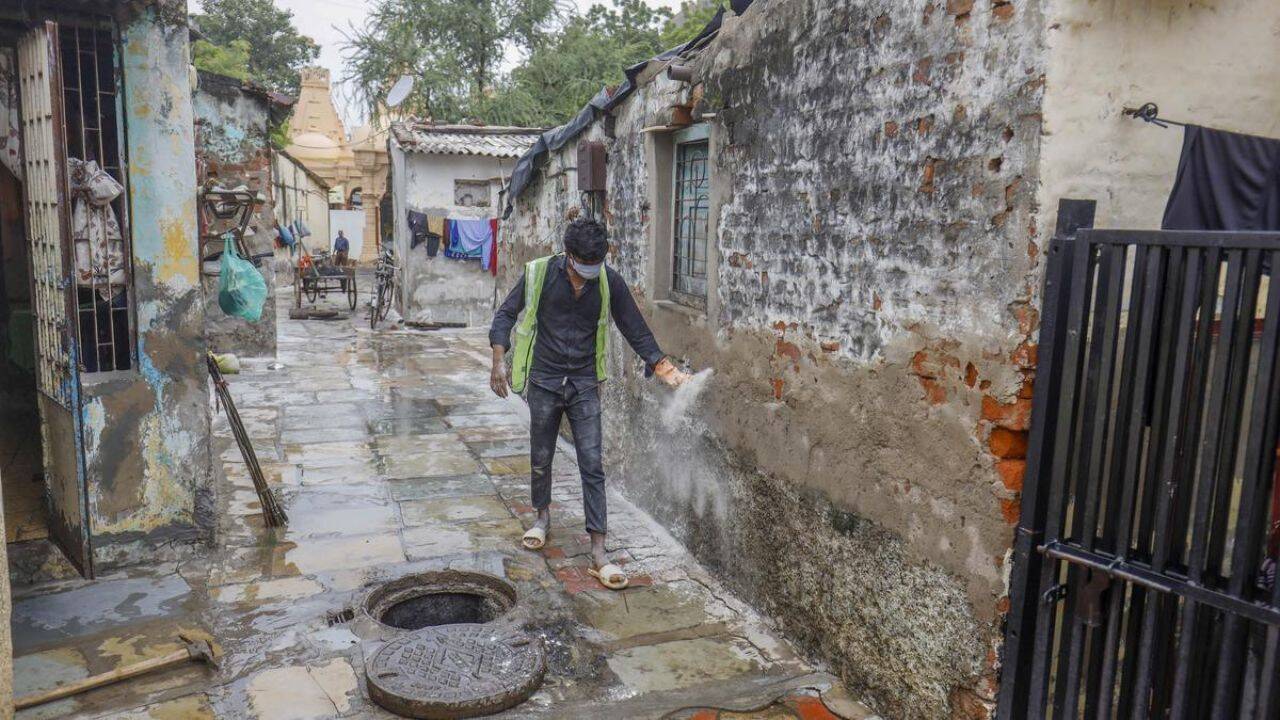
The primary concern for health officials during the current monsoon surge is the preservation of sanitation standards and the management of public health in low-lying agricultural zones. Heavy rainfall often leads to the inundation of fields and the contamination of local water sources, creating an environment conducive to outbreaks of vector-borne and waterborne illnesses. The Health Department’s response plan emphasizes the importance of primary health centers (PHCs) and community health centers (CHCs) functioning as frontline defenses.
In addition to monitoring disease trends, the government has directed local health personnel to conduct proactive surveillance in villages that are prone to flooding. Mobile medical teams have been placed on standby, equipped to navigate challenging terrain to provide triage and primary care to farming families who may be cut off from major urban hospitals. This decentralized approach is designed to prevent the overcrowding of secondary and tertiary care facilities, ensuring that the healthcare system remains balanced and capable of handling both routine consultations and emergency trauma cases simultaneously.
Public Health Infrastructure and Disaster Preparedness
Beyond immediate medical care, the activation of 24x7 control rooms facilitates a data-driven approach to disaster management. By tracking rainfall intensity alongside reported health incidents, officials can identify emerging "hotspots" before they escalate into larger outbreaks. This systemic oversight is crucial for the efficient distribution of medical resources, such as anti-venom, clean water purification tablets, and vaccines, which are in higher demand during the monsoon season. The department has also coordinated with local municipal authorities to ensure that sanitation protocols are strictly followed in temporary relief shelters, further reducing the risk of disease transmission among displaced populations.
The coordination effort extends to the logistics of supply chains. The Health Department is working closely with transport agencies to maintain "green corridors" for medical deliveries, ensuring that even if infrastructure is compromised, critical life-saving supplies continue to flow to rural areas. This level of institutional preparedness reflects a broader shift toward integrated disaster management, where agriculture, public works, and health departments operate in a symbiotic, rather than siloed, framework.
What This Means for Farmers
For the farming community, the state’s high-alert status serves as both a safety net and a call to vigilance. Farmers are advised to prioritize personal and livestock hygiene during the ongoing wet spell, as stagnant water increases the risk of leptospirosis and other zoonotic diseases. It is essential for those in rural areas to keep emergency contact numbers for the nearest 24x7 district control rooms readily available.
Economically, the government’s intervention aims to minimize the "hidden costs" of natural disasters—namely, the loss of labor productivity due to illness and the financial burden of unexpected medical emergencies. Farmers should take proactive steps to store essential household medicines and maintain access to clean, boiled water. Furthermore, in the event of any localized health concern, such as an unusual spike in fever cases or skin infections among laborers, farmers are encouraged to report these instances to their nearest health outpost immediately rather than waiting for symptoms to worsen. By utilizing the resources provided by these activated control rooms, the agricultural community can better protect its most valuable asset—its workforce—thereby ensuring a swifter recovery once the monsoon rains subside.