Gujarat Government Halts Statewide Cleanliness Initiative Amid Severe Weather Alerts
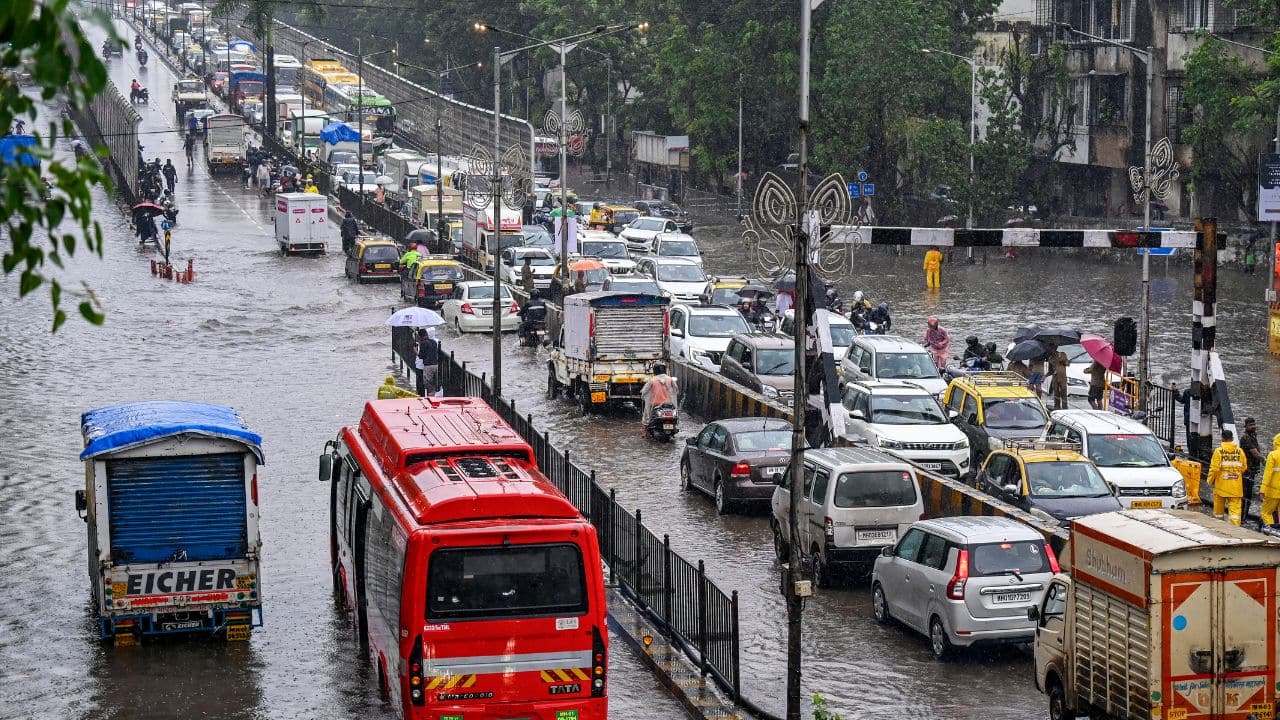
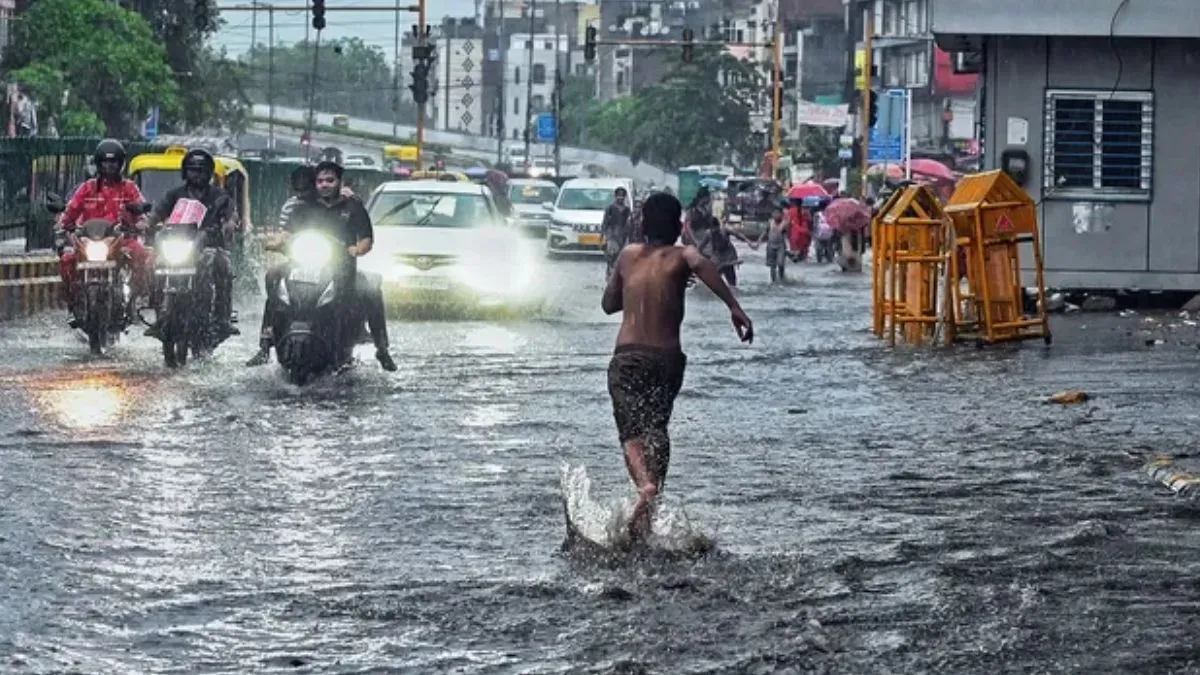
The government of Gujarat has officially announced the postponement of its recurring statewide cleanliness drive, originally scheduled for Sunday, August 2. The decision follows urgent meteorological warnings indicating heavy to very heavy rainfall across various districts of the state. This proactive measure aims to prioritize public safety and ensure that the administrative machinery remains focused on disaster preparedness and emergency response efforts during the inclement weather.
The cleanliness initiative, a staple of local civic engagement, typically sees a synchronized effort involving municipal authorities, elected public representatives, and local citizens. By organizing these collective activities, the state government has sought to foster a sense of shared responsibility for urban and rural hygiene. However, given the current hydrological forecasts and the potential for waterlogging or localized flooding in low-lying areas, officials determined that conducting large-scale outdoor public gatherings would be both impractical and hazardous.
Prioritizing Public Safety and Resource Management
The postponement highlights the delicate balance between maintaining civic programs and responding to environmental volatility. In regions prone to monsoon-related disruptions, the mobilization of local officials is often redirected during periods of heavy rain. Instead of focusing on sanitation drives, administrative personnel are now being deployed to monitor drainage systems, clear potential obstructions in water channels, and assist in the evacuation of vulnerable populations if necessary.
By pausing the Sunday initiative, the state government aims to prevent the diversion of essential personnel away from emergency management duties. Agricultural zones, which are particularly susceptible to the impact of heavy rains during the peak of the monsoon season, require constant vigilance. Local officials are tasked with monitoring crop fields for excessive water accumulation and ensuring that rural infrastructure remains resilient against the forecasted downpours. The decision reflects a broader strategy of operational flexibility, where public welfare initiatives are adjusted to align with the immediate realities of climate-driven risks.
The Role of Civic Participation in Monsoon Preparedness
While the weekly cleanliness drive is a vital component of the state’s public health strategy, the current suspension underscores the necessity of public cooperation during climate emergencies. The participation of citizens, which is usually encouraged through these Sunday events, is now being redirected toward individual safety and community vigilance. Residents have been advised to remain cautious, avoid unnecessary travel, and adhere to the guidelines issued by local disaster management cells.
The government’s decision to communicate this postponement well in advance serves to minimize confusion and ensure that the public is aware of the shift in administrative priorities. As the monsoon progresses, the efficacy of the state’s drainage and waste management systems will be tested; the cleanliness initiative serves as a preventive measure for these very systems. Consequently, the postponement is viewed not as a cancellation of the program's objectives, but as a temporary recalibration to ensure that the infrastructure remains functional under extreme weather conditions.
What This Means for Farmers
For the agricultural community across Gujarat, the heavy rain forecast and the subsequent administrative shift carry significant implications. Farmers should prioritize the following actions during this period of high precipitation:
- Water Management and Drainage: Ensure that field drainage channels are clear of debris to prevent waterlogging, which can lead to root rot and nutrient leaching in standing crops.
- Livestock Safety: Move livestock to elevated, dry shelters and ensure that feed and fodder are stored in moisture-proof conditions to prevent fungal contamination.
- Infrastructure Monitoring: Keep a close watch on farm embankments and irrigation structures. If signs of structural weakness appear due to soil saturation, report them to local agricultural extension offices immediately.
- Pest and Disease Vigilance: High humidity and rainfall often create ideal conditions for fungal outbreaks and pest infestations. Farmers should be prepared to monitor their crops closely once the weather clears and consult with local agronomists regarding prophylactic measures.
- Communication: Stay tuned to local government bulletins and agricultural weather updates. The redirection of local officials toward disaster management means that they may be less available for routine non-emergency inquiries; prioritize urgent requests related to crop protection or emergency infrastructure failure.
Ultimately, while the cleanliness drive is a positive step for community health, the current focus must remain on mitigating the economic and physical impact of the monsoon on the state’s agricultural backbone. Farmers are encouraged to utilize this time to secure their assets and prepare for the recovery phase once the heavy rainfall subsides.