The Environmental Impact of Prosopis Juliflora in Kachchh
A significant environmental issue has emerged in the Kachchh region of Rajasthan, where the presence of the invasive tree species Prosopis juliflora has become the center of a complex debate involving carbon credits and ecological health. Originally introduced with the intention of "greening" the desert landscape, the tree has since become a subject of scrutiny due to its role in modern carbon offtake agreements.
According to a report by Scroll.in, the proliferation of this species is now being linked to commercial interests, specifically the sale of carbon credits to major technology companies. However, the report highlights a critical concern: the production of biochar from these trees may be inadvertently encouraging the further spread of the invasive species rather than fostering environmental restoration.
Understanding the Role of Prosopis Juliflora
Prosopis juliflora was historically introduced to the Kachchh region as an initiative to combat desertification and increase vegetative cover. While it succeeded in establishing itself in the harsh desert climate, it is classified as an invasive species. Such species are known for outcompeting native flora, often leading to a loss of local biodiversity.
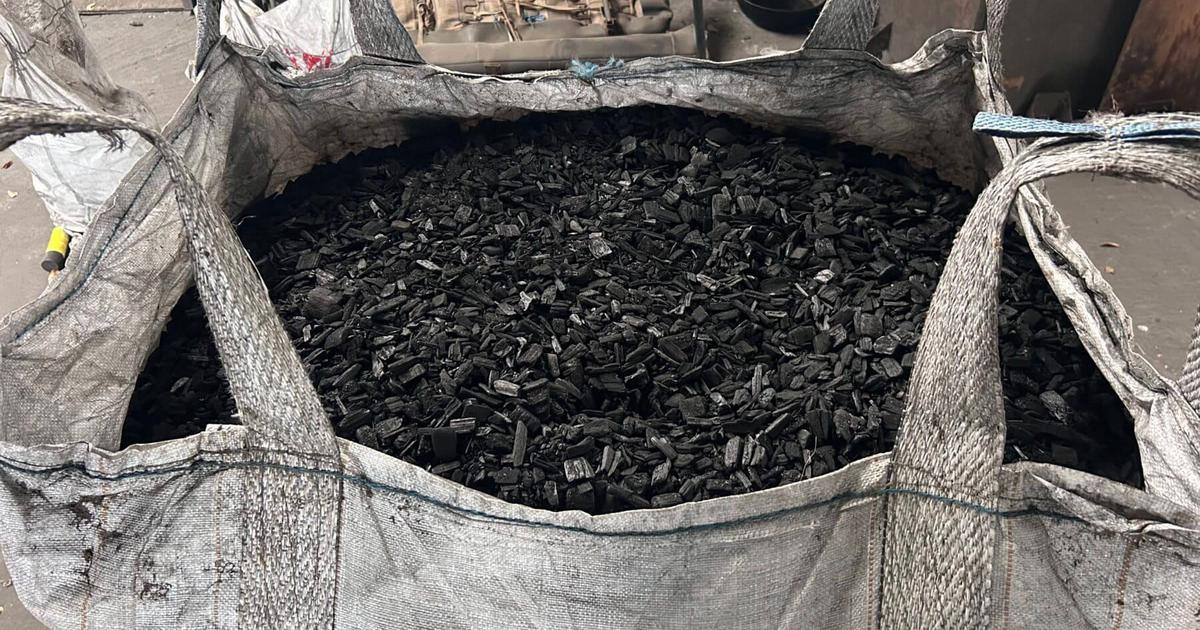
The current situation involves the conversion of this biomass into biochar—a charcoal-like substance produced by heating organic material in a low-oxygen environment. While biochar is often promoted as a method for carbon sequestration, the report suggests that the reliance on Prosopis juliflora for these projects creates a cycle that sustains the presence of the invasive tree in the region.
Carbon Credits and Corporate Involvement
The report indicates that the carbon sequestration potential of this biomass has attracted the interest of large technology giants. These companies engage in carbon offtake deals, which are financial agreements designed to offset corporate carbon emissions by investing in projects that either remove carbon dioxide from the atmosphere or prevent its release.
By purchasing these credits, corporations aim to meet their sustainability and net-zero targets. However, the reliance on an invasive species to generate these credits poses a unique challenge to the integrity of such environmental initiatives. The primary issue, as stated by Scroll.in, is that the commercial demand for this biomass may be incentivizing the continued growth and management of Prosopis juliflora, which continues to displace native desert ecosystems.
Concerns Over Ecological Consequences
The core conflict identified in the report is the tension between corporate environmental goals and local ecological realities. The findings suggest the following points regarding the current trajectory of these projects:
- Invasive Spread: The management of Prosopis juliflora for commercial biochar production does not appear to prioritize the eradication of the invasive species; instead, it utilizes the existing population.
- Ecological Impact: The continued dominance of this tree in Kachchh prevents the recovery of indigenous plant life that is better suited to the local desert ecology.
- Carbon Market Integrity: There is a question of whether using an invasive species for carbon credits truly benefits the environment or if it merely provides a financial mechanism for large corporations to continue their operations while supporting the growth of harmful vegetation.
This situation underscores the complexities of global carbon markets, where the pursuit of sustainability goals can sometimes intersect with localized environmental degradation. As the report from Scroll.in suggests, the transformation of Prosopis juliflora into a commodity for carbon offtake deals is a development that warrants further examination regarding its long-term impact on the Rajasthan desert landscape.