Monsoon Surge Triggers Nationwide Alert as Heavy Rainfall Grips Key Agricultural Belts
The India Meteorological Department (IMD) has issued a high-alert warning for a broad swath of the country as an intensified monsoon trough brings heavy to very heavy rainfall across multiple states. As of July 25, active monsoon conditions are currently dominated by a significant low-pressure system centered over Rajasthan and Madhya Pradesh, which is acting as a catalyst for widespread precipitation. From the arid plains of the northwest to the industrial hubs of the west coast and the hilly terrains of the north, the weather agency has signaled a period of sustained atmospheric instability that is expected to continue over the coming days.
This surge in monsoon activity is characterized by deep convection and strong moisture-laden winds originating from the Arabian Sea, leading to a high probability of thunderstorms and gusty winds. While the rainfall is critical for replenishing reservoirs and supporting ongoing kharif sowing operations, the intensity of the current weather pattern has prompted authorities to advise extreme caution in regions where heavy downpours may lead to localized flooding and infrastructure disruption.
Regional Impact: From Western Plains to the Himalayan Foothills
The current meteorological setup is creating varied challenges across the Indian landscape. Gujarat is currently identified as a primary hotspot for intense showers, with the low-pressure system driving heavy precipitation across several districts. This influx of moisture is vital for the state’s agricultural sector, particularly for cotton and groundnut crops, though the intensity of the rain necessitates vigilance against potential waterlogging in low-lying fields.
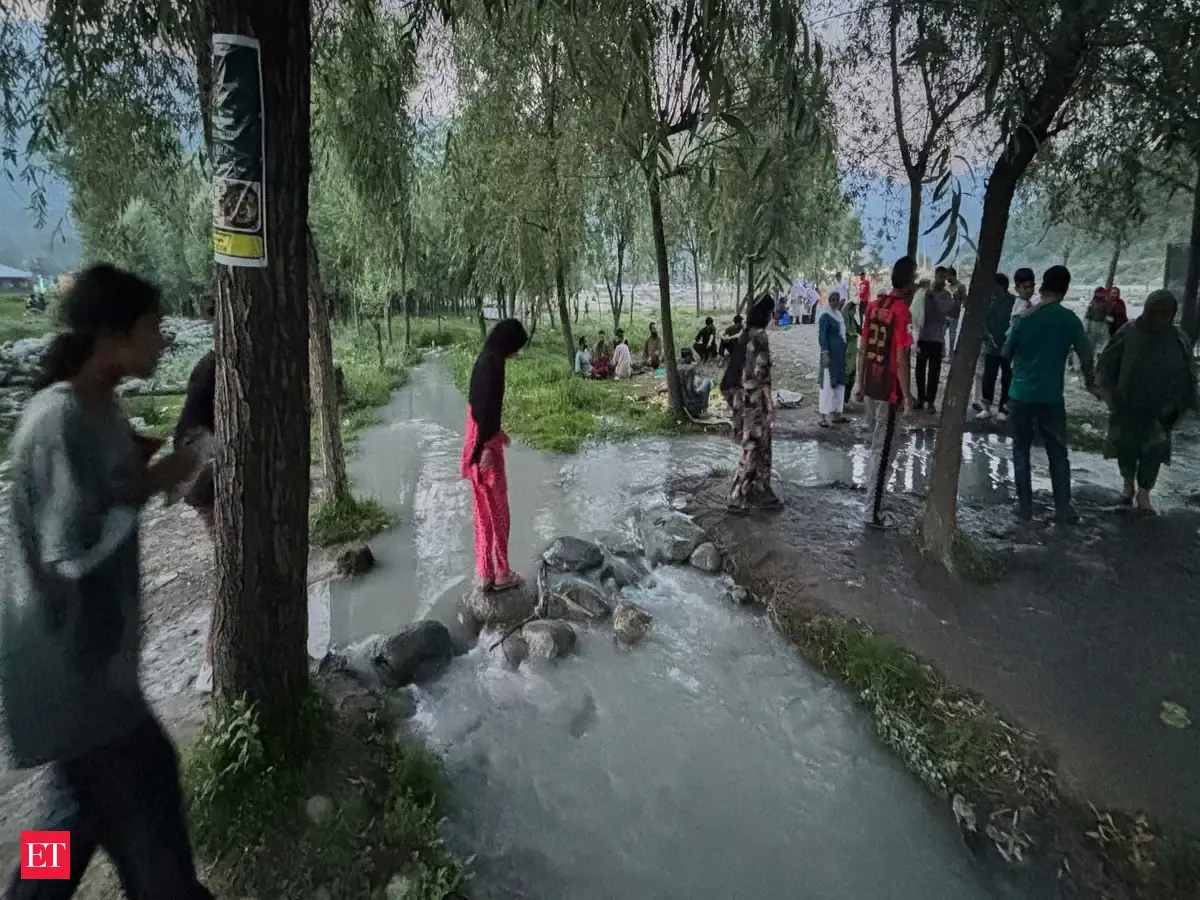
Simultaneously, the northern and central regions—including Rajasthan, Madhya Pradesh, Punjab, and the Delhi-NCR area—are experiencing the ripple effects of this system. In Himachal Pradesh and Uttarakhand, the monsoon's intensity poses a heightened risk of landslides and flash floods, complicating logistics for farmers and transporters alike. Meanwhile, Mumbai and its surrounding coastal areas are bracing for increased rainfall activity, as the offshore trough remains active, ensuring that the city’s drainage and transport networks remain under close observation. The Northeast, consistent with its seasonal patterns, continues to face heavy rainfall, further saturating soil profiles across the region.
Agricultural Dynamics and Monsoon Stability
The progression of the monsoon is the single most significant factor in India’s agricultural economy. The current distribution of rainfall, while heavy, is broadly considered beneficial for the kharif crop cycle. The replenishment of soil moisture levels is essential for the vegetative growth phase of major crops such as paddy, pulses, and oilseeds. However, the IMD’s emphasis on "very heavy" rainfall suggests that the intensity—rather than the total volume—could become a point of concern for crop health.
When rainfall exceeds a certain threshold in a short duration, it can lead to nutrient leaching and may cause physical damage to delicate standing crops. The active monsoon phase currently observed is a result of a well-defined low-pressure area, which effectively pulls moisture inland. For farmers, this underscores the importance of maintaining proper drainage channels within their fields to prevent prolonged water stagnation, which can lead to root rot and other fungal pathogens in saturated soil conditions.
What This Means for Farmers
For the farming community, the IMD’s latest forecast serves as both a relief and a call to action. While the moisture is essential for the success of the current planting season, the threat of extreme weather requires proactive management:
- Prioritize Field Drainage: Ensure that drainage outlets in paddy and vegetable fields are clear. Preventing water stagnation is critical to protecting crop roots from oxygen deprivation and fungal infections during periods of heavy, continuous rain.
- Monitor Local Advisories: Given the volatility of the current low-pressure system, farmers should rely on district-level weather updates. These localized reports are more accurate than general forecasts and can help in planning critical field operations like fertilizer application or pesticide spraying.
- Delay Chemical Applications: Avoid applying fertilizers or pesticides immediately before or during heavy rain, as the runoff will negate the effectiveness of the inputs and potentially lead to nutrient loss. Wait for a clear window to ensure maximum soil and plant uptake.
- Infrastructure Safety: In regions prone to landslides or flash floods, such as the Himalayan foothills, secure livestock and harvest equipment in elevated, sheltered locations. Ensure that temporary farm structures are reinforced to withstand gusty winds associated with incoming thunderstorms.
- Crop Insurance Awareness: Maintain documentation of crop status and field conditions. In the event of excessive rainfall causing significant damage, having records of input costs and crop progress will be vital for any potential insurance claims or government relief programs.
As the monsoon remains in an active phase, the agricultural sector must balance the benefits of replenished water resources against the inherent risks of severe weather. By staying informed and maintaining rigorous field management practices, farmers can navigate this period of intensified rainfall effectively.