Monsoon Intensifies: Severe Weather Alerts Issued for Western and Northern India
The India Meteorological Department (IMD) has issued high-level alerts as the southwest monsoon enters a period of heightened intensity, threatening to bring severe weather conditions across a vast swathe of the country. Meteorological models indicate that a combination of atmospheric pressure shifts and moisture-laden winds from the Arabian Sea is converging over western and northern India, setting the stage for extremely heavy rainfall events over the coming days.
While the monsoon is a vital driver of the agricultural economy, the current forecast points toward a period of potential disruption. Coastal regions, particularly the Konkan belt, are bracing for significant precipitation, while states like Gujarat and Rajasthan—areas that often rely on precise timing for moisture—are now facing the risk of excessive accumulation. Simultaneously, the mountainous regions of northern India are under a heightened flash flood warning, as steep terrain and saturated soil conditions create a precarious environment for both residents and infrastructure.
Regional Impact: Assessing the Vulnerability of Western and Northern Districts
The IMD’s latest bulletins emphasize a concentrated weather system impacting western India. For Gujarat and Rajasthan, the primary concern is the potential for localized flooding in low-lying areas. In these regions, the drainage capacity of both urban and rural landscapes is being tested. Agricultural experts note that while soil moisture is beneficial for current crop cycles, extreme downpours in a short duration can lead to waterlogging, which can be detrimental to standing crops, particularly in poorly drained fields.
In the Himalayan belt, the situation is compounded by the geography of the terrain. The combination of intense, sustained rainfall and the steep slopes of hill states increases the susceptibility to flash floods and landslides. Hydrological monitoring agencies are advising extreme caution, as the rapid runoff from higher altitudes can cause sudden surges in mountain streams and rivers. For populations residing in these corridors, the risk extends beyond agriculture to include the safety of transportation networks and essential utility infrastructure, which are frequently disrupted during such high-intensity weather episodes.
Economic and Logistical Challenges Across the Monsoon Belt
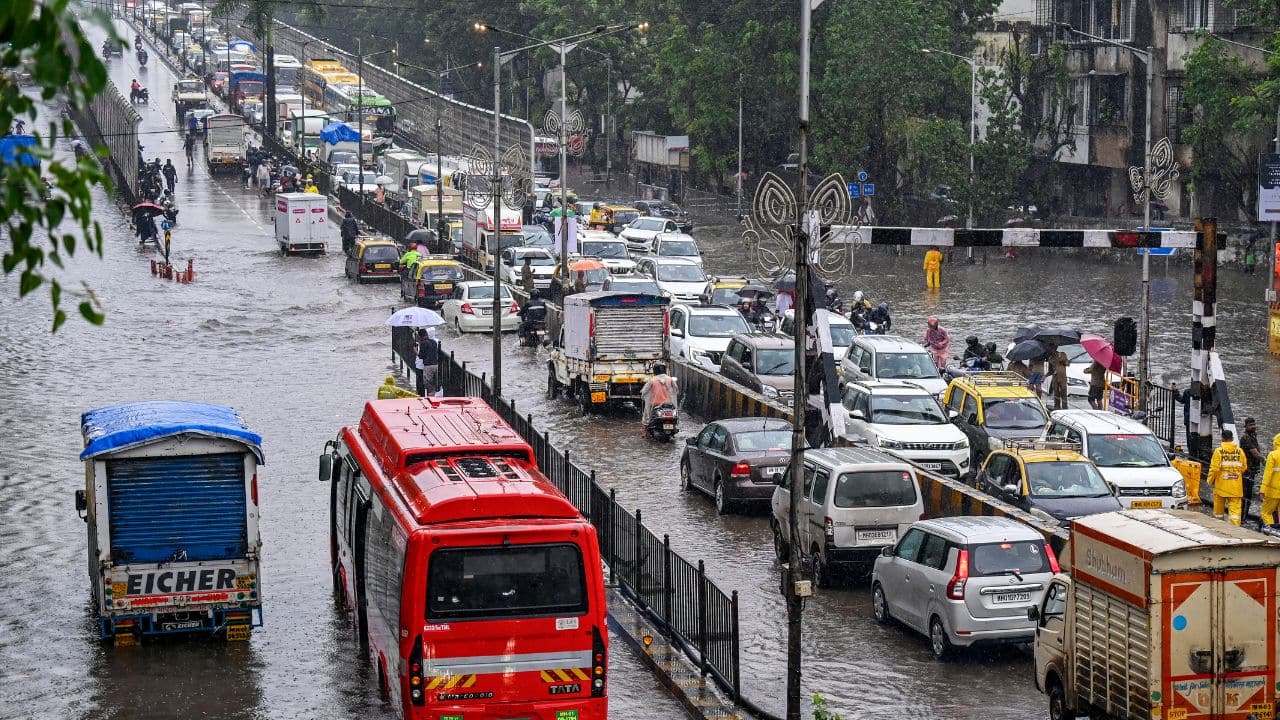
Beyond the immediate safety concerns, the meteorological shift carries significant logistical implications. Heavy rainfall often leads to the closure of arterial roads and restricted access to remote districts, creating supply chain bottlenecks. For the agricultural sector, this means that the movement of fertilizers, seeds, and harvested produce could face delays. Furthermore, the persistent cloud cover and lack of sunshine associated with these intense systems can delay the maturation of certain crops, potentially impacting yield quality.
The IMD’s warnings serve as a critical reminder of the volatility inherent in the southwest monsoon. While the long-term outlook for the season remains tied to these rainfall events, the short-term reality is one of risk management. Authorities are urging the public, particularly those engaged in outdoor labor or transit, to prioritize real-time weather updates over historical seasonal expectations, as the intensity of this current spell deviates from typical patterns.
What This Means for Farmers
For the farming community, these weather alerts necessitate immediate and proactive management strategies to mitigate potential losses. The following steps are recommended to safeguard agricultural assets during periods of extreme rainfall:
- Prioritize Field Drainage: Ensure that drainage channels around standing crops are clear of debris. In water-sensitive crops, creating small trenches or furrows can prevent the pooling of water that leads to root rot and nutrient leaching.
- Postpone Chemical Applications: Avoid the application of fertilizers or pesticides immediately before or during heavy downpours. Runoff will not only render these inputs ineffective but can also contribute to environmental degradation in local water bodies.
- Protect Harvested Produce: If crops have already been harvested, ensure they are stored in elevated, moisture-proof, and well-ventilated structures. Exposure to excess humidity can quickly lead to fungal growth and significant post-harvest losses.
- Monitor Local Advisories: Farmers should stay closely connected to district-level agricultural extension offices and IMD SMS alerts. These services often provide localized advice tailored to specific crop stages in your region.
- Livestock Safety: Move livestock to higher, sheltered ground. Ensure that fodder stores are protected from seepage and that animals have access to dry bedding to prevent the onset of foot-related diseases caused by prolonged exposure to mud and standing water.
By remaining vigilant and executing these preventative measures, agricultural producers can better navigate the challenges posed by this intense phase of the monsoon, protecting both their livelihoods and the long-term health of their land.