IMD Issues Widespread Rainfall Alert Across Northern India
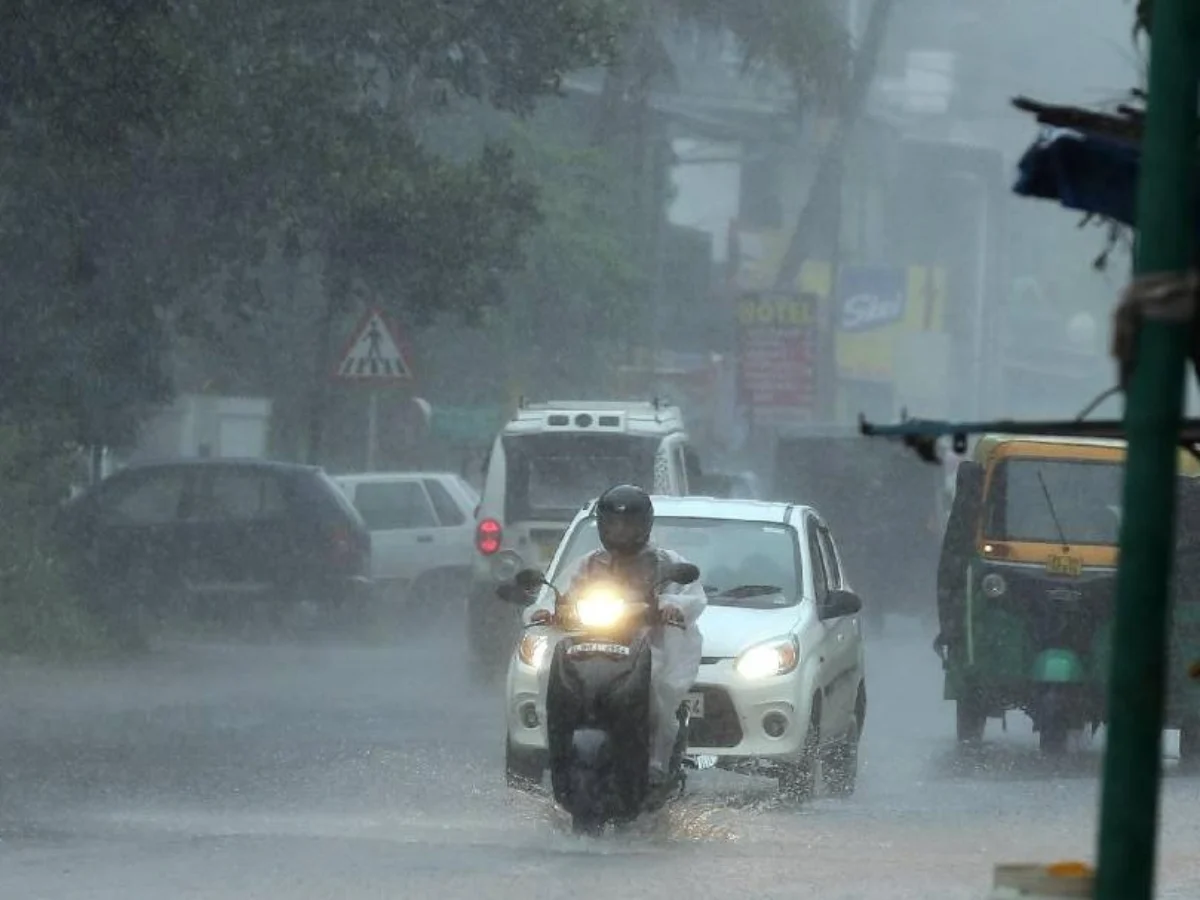
The India Meteorological Department (IMD) has issued a high-alert weather advisory for several states across northern and northwestern India, signaling a period of intense atmospheric instability. As of August 7, heavy rainfall and localized thunderstorms are expected to impact a broad geographical corridor, ranging from the high-altitude terrains of Jammu and Kashmir and Uttarakhand to the densely populated plains of Uttar Pradesh and the National Capital Region (NCR) of Delhi.
Meteorological data suggests that a combination of active monsoon currents and a shifting cyclonic circulation is driving this weather pattern. These conditions are expected to bring not only significant precipitation but also the risk of convective activity, including lightning strikes and gusty winds. Regional authorities have been advised to remain on high alert, particularly in districts prone to seasonal flooding and soil erosion, as the sudden influx of moisture could overwhelm existing drainage infrastructure and exacerbate the risk of flash flooding in mountainous regions.
Understanding the Impact of Intense Monsoon Activity
The current weather system is characterized by its high-intensity, short-duration rainfall—a pattern increasingly observed during recent monsoon seasons. In states like Uttarakhand and Jammu and Kashmir, where the topography is particularly susceptible to slope instability, these heavy rains pose a significant threat of landslides and debris flows. Local administrations have been urged to monitor river gauges and maintain vigilance in areas where saturated soil may lead to sudden ground movement.
In the plains, including Uttar Pradesh and the Delhi-NCR area, the challenge lies in urban waterlogging and the potential for severe thunderstorm activity. The IMD’s warning specifically highlights the risk of "thunderstorm activity," which is often accompanied by lightning. This poses a direct hazard not only to human safety but also to agricultural assets and rural infrastructure. The combination of high humidity and heat, followed by sudden, heavy rain, creates a volatile environment that requires proactive management from both civil authorities and the agricultural community.
Agricultural Implications and Crop Management
While monsoon rain is a fundamental requirement for the Kharif cropping season, the timing and intensity of these alerts are critical for farmers. Crops currently in the vegetative or reproductive stages, such as paddy, maize, and pulses, are highly sensitive to excessive water accumulation. Prolonged waterlogging can lead to root rot, nutrient leaching, and the development of fungal pathogens, all of which can significantly diminish final yields if not managed promptly.
Farmers are advised to prioritize the maintenance of field drainage channels to ensure that excess water can be diverted away from standing crops. In areas where thunderstorms are forecast, the safety of livestock and the security of farm equipment should be primary concerns. Furthermore, the high moisture content in the air, combined with heavy rain, can provide ideal conditions for the rapid spread of pests and diseases; therefore, farmers should prepare for potential prophylactic measures once the weather clears.
What This Means for Farmers
For the agricultural sector, this weather alert serves as a call for immediate preparedness and risk mitigation. The economic consequences of extreme weather events can be substantial, ranging from crop damage to increased input costs for disease control. To navigate this period, farmers should consider the following actionable steps:
- Prioritize Drainage: Ensure all primary and secondary drainage channels in your fields are cleared of debris. Stagnant water for more than 24 to 48 hours can severely stress crop roots, particularly in low-lying areas.
- Monitor for Pests: High-humidity environments are catalysts for fungal infections and insect outbreaks. Once the rain subsides, conduct thorough scouting of your fields for early signs of blight or pest infestation.
- Livestock Safety: Move livestock to higher, well-ventilated, and dry shelters. Keep them away from isolated trees or metallic structures that could attract lightning during thunderstorms.
- Post-Rain Nutrition: Heavy rainfall often leads to the leaching of nitrogen and other essential nutrients from the soil. Consult with local agricultural extension officers regarding the timing of top-dressing fertilizers, as applying them immediately before or during heavy rain will result in significant nutrient loss.
- Stay Informed: Continue to monitor local weather bulletins provided by state-level meteorological centers. These localized updates offer more specific data than regional forecasts and can help in making time-sensitive decisions regarding harvesting or field operations.
By taking proactive measures to manage water flow and monitoring crop health closely in the days following the event, farmers can mitigate the adverse effects of this intense weather window and protect their seasonal productivity.