Monsoon Intensifies: IMD Issues Widespread Heavy Rainfall Alert Through August 8
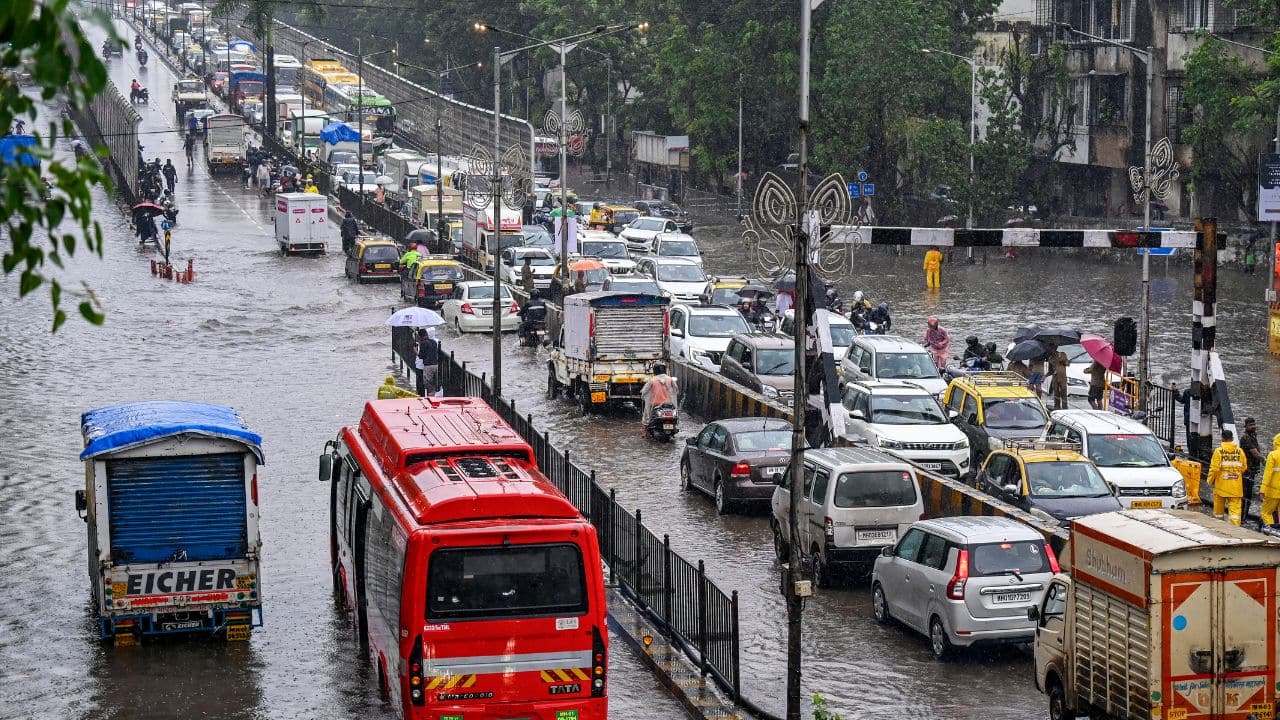
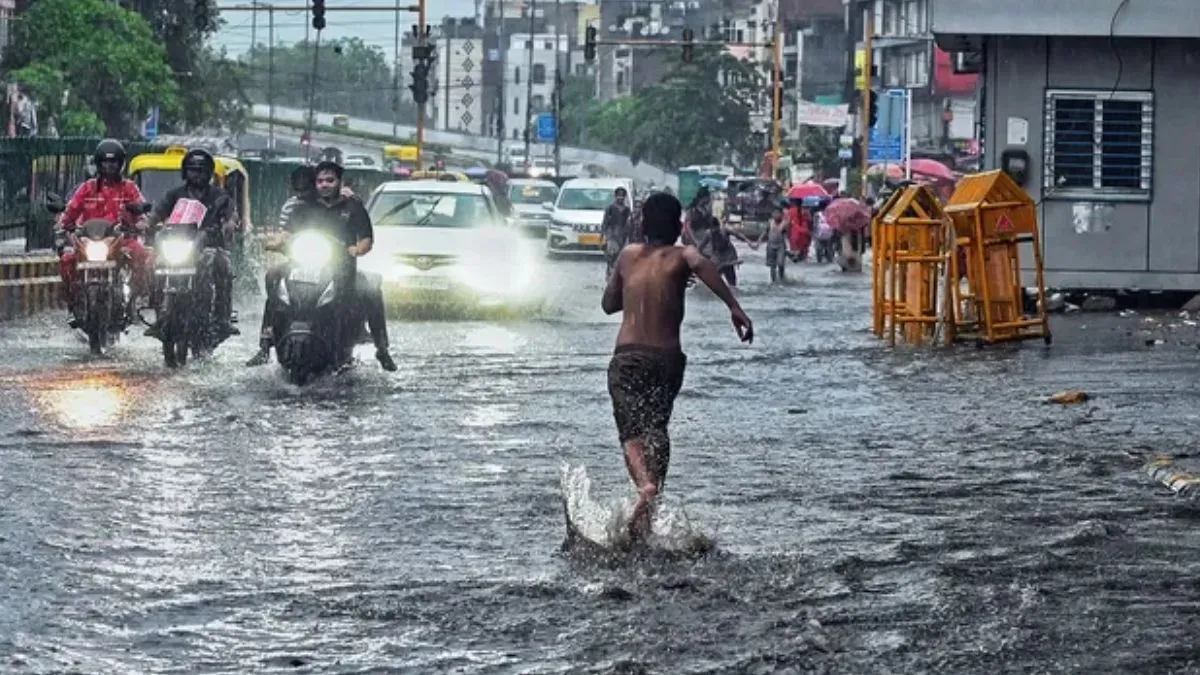
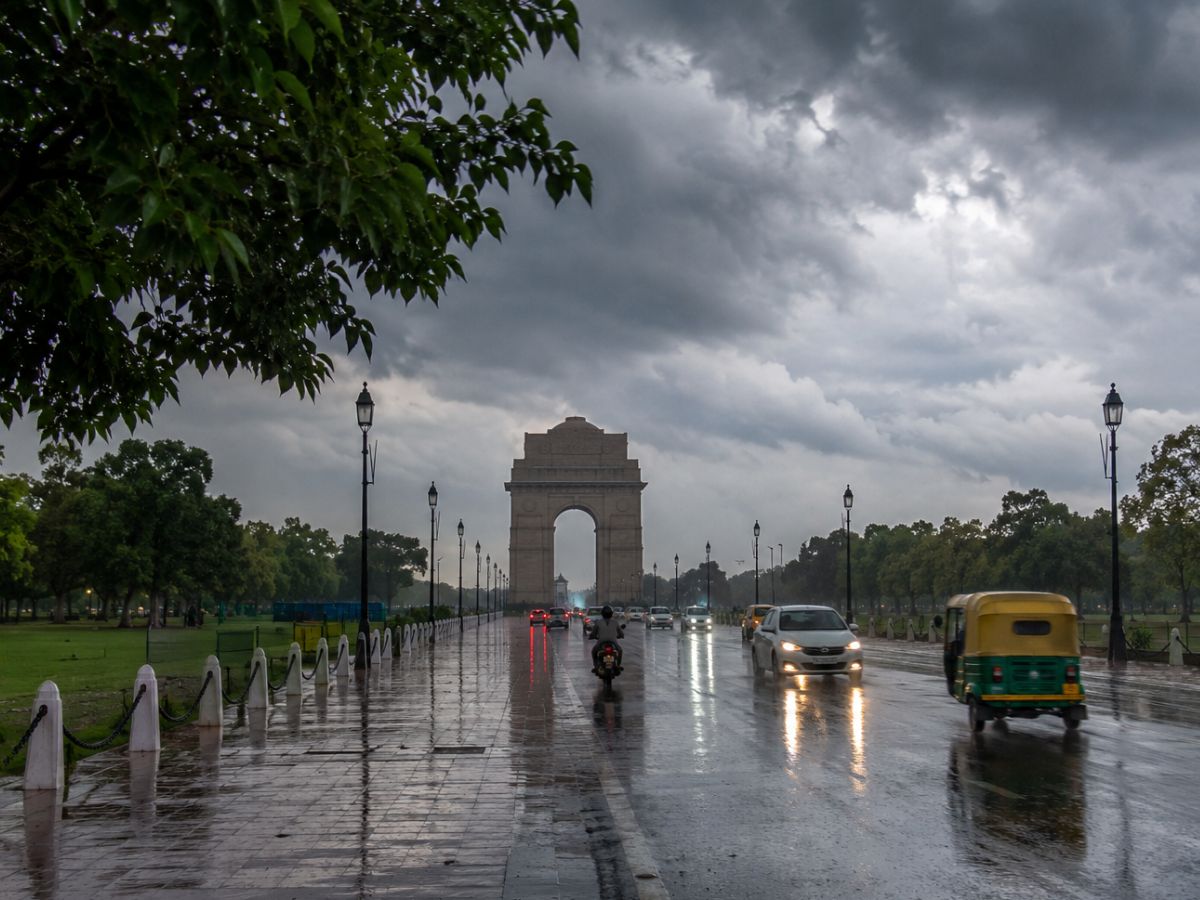
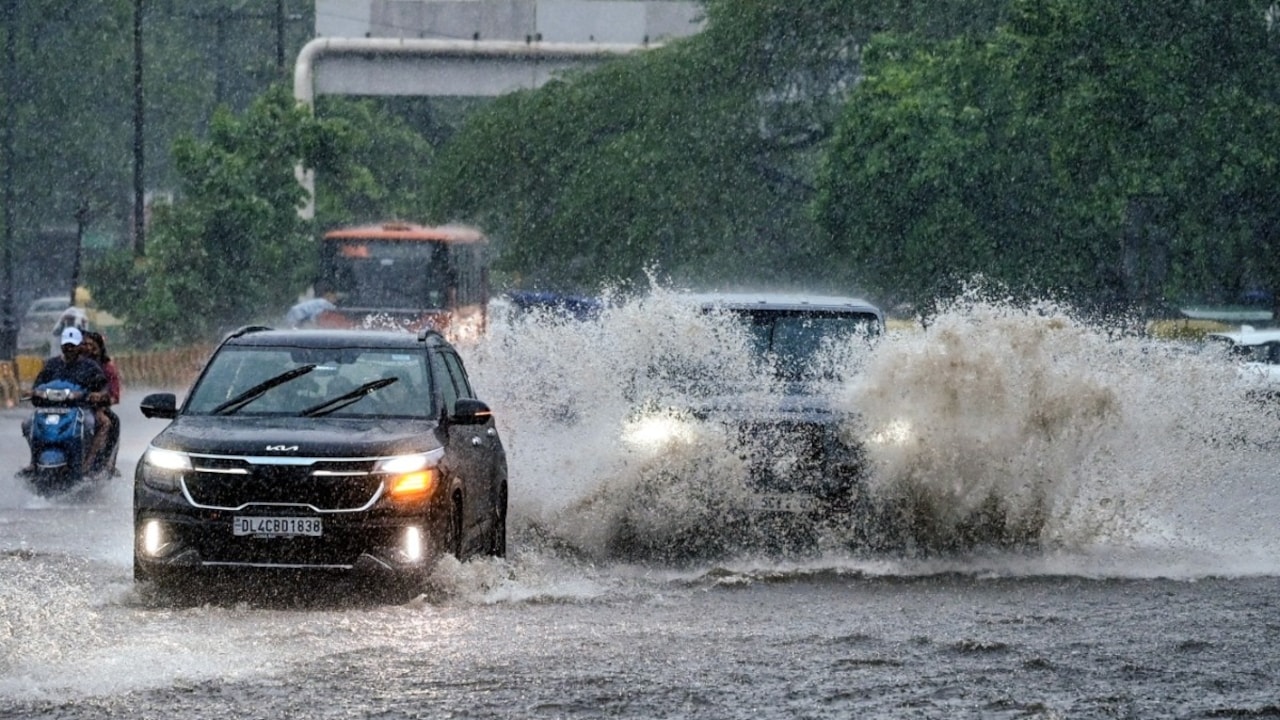
The India Meteorological Department (IMD) has issued a significant weather bulletin indicating that the southwest monsoon is entering a phase of heightened activity. With favorable meteorological conditions spanning across the subcontinent, the agency has placed multiple states on high alert for heavy to very heavy rainfall. This period of intensified precipitation, projected to persist until August 8, is expected to significantly influence soil moisture levels, reservoir capacities, and standing crop health across diverse agricultural landscapes.
Active Weather Systems Driving Precipitation
The current surge in monsoon activity is attributed to a combination of active cyclonic circulations and the positioning of the monsoon trough, which is currently facilitating moisture-laden winds from the Bay of Bengal. These atmospheric dynamics are creating a conducive environment for widespread convective activity. As these systems track across the central and northern plains, they are expected to deliver sustained rainfall, providing much-needed replenishment to water-stressed regions while simultaneously posing a risk of localized flooding in low-lying areas.
The IMD has highlighted that the intensity of these rains will not be uniform. While central India is expected to receive steady, widespread showers, the focus of the current weather system is shifting toward the northern reaches. The orographic influence—where moist air is forced to rise over mountainous terrain—is expected to amplify rainfall totals in sub-Himalayan regions, leading to potential landslides and rapid runoff in vulnerable hilly tracts.
Northeast India Under High Watch
A significant portion of the IMD’s latest advisory is directed toward the northeastern states. This region, already prone to high-intensity precipitation during the monsoon season, is currently under a state of high watch. The confluence of topographic complexity and the active monsoon pulse suggests that the northeast could experience heavy to extremely heavy rainfall events in the coming days. Authorities in these states have been advised to maintain a high state of preparedness, as the saturation of soil in these regions increases the risk of soil erosion and disruption to rural connectivity.
For the agricultural sector in the northeast, this forecast serves as a critical warning. While the rain is essential for paddy cultivation, excessive downpours during this specific window could lead to waterlogging in fields, potentially impacting the vegetative growth phase of crops. Farmers are being encouraged to monitor local weather updates closely as the situation evolves.
What This Means for Farmers
The upcoming week presents a complex set of challenges and opportunities for the farming community. The following points outline the practical implications and necessary precautions:
- Field Drainage Management: With heavy rainfall predicted, ensuring adequate drainage in fields is paramount. Farmers should inspect and clear drainage channels to prevent water stagnation, which can lead to root rot and nutrient leaching, particularly in sensitive vegetable and pulse crops.
- Fertilizer Application Timing: It is strongly advised to defer the application of nitrogenous fertilizers and pesticides during this period of heavy rainfall. Excessive water can wash away these inputs before they are absorbed, resulting in economic loss and environmental runoff. Wait for a clear window of at least 48 hours to ensure effective uptake.
- Livestock and Infrastructure Safety: Farmers should relocate livestock to higher, drier ground and ensure that feed storage areas are protected from moisture and humidity to prevent fungal contamination. Temporary structures, such as shade nets or sheds, should be reinforced to withstand high-velocity winds that often accompany active monsoon spells.
- Pest and Disease Monitoring: High humidity and persistent rainfall create ideal conditions for the proliferation of fungal diseases and certain pest populations. Field scouting should be prioritized once the weather clears to identify early signs of blight or bacterial leaf spots, allowing for targeted and efficient management.
- Reservoir and Irrigation Planning: For regions dependent on irrigation, this period of rainfall offers a strategic opportunity to optimize water storage. However, farmers should align their irrigation schedules with the IMD forecast to avoid unnecessary pumping and energy expenditure during wet spells.
By staying informed through official IMD bulletins and coordinating with local agricultural extension offices, farmers can better manage the risks associated with this intense monsoon phase and capitalize on the moisture benefits for their upcoming harvest cycles.