
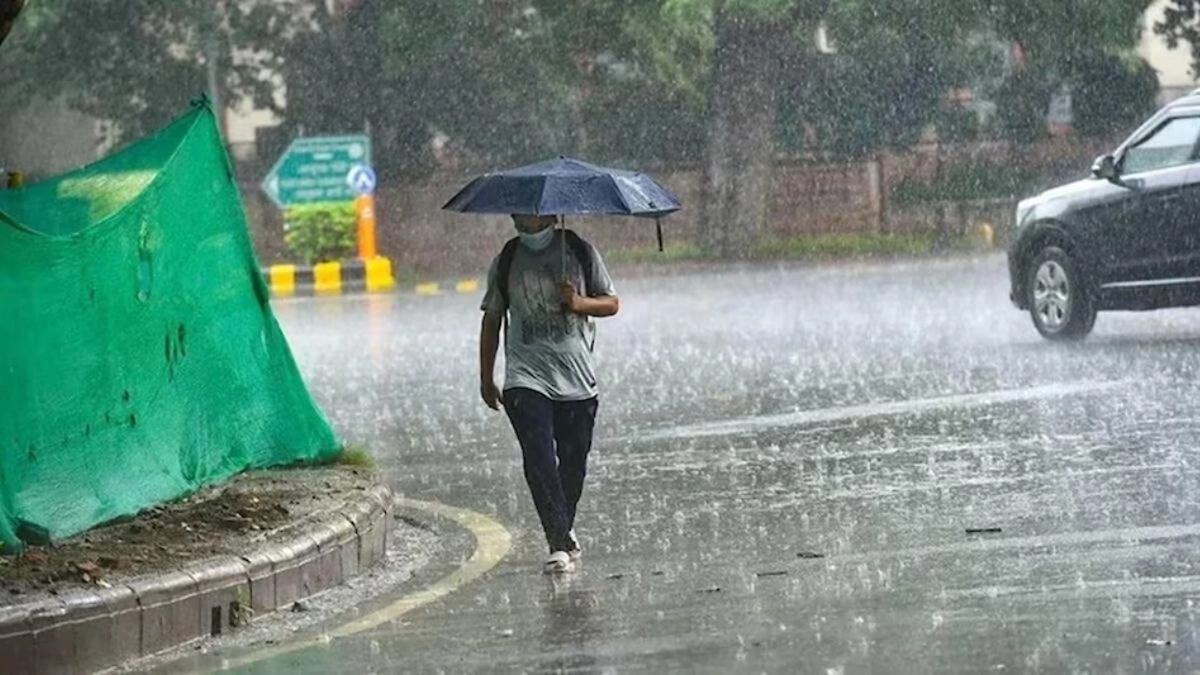
Severe Weather Alert: IMD Forecasts Torrential Rainfall Across Nine Indian States
The India Meteorological Department (IMD) has issued a high-level weather alert as a significant depression system tracks across the country, threatening to bring fierce, torrential rainfall to nine states. Meteorological data indicates that the system is set to intensify, with the most severe impacts expected to concentrate over Gujarat and Central Maharashtra. As of July 31, authorities have cautioned that the combination of high-intensity precipitation and existing soil saturation could lead to widespread flooding, urban waterlogging, and the potential for riverine overflow in low-lying regions.
The current weather pattern is characterized by a low-pressure depression that is funneling moisture from the Arabian Sea, creating a corridor of instability that stretches from the western coast toward the national capital region. While the intensity of the system is localized in its most volatile form over the western belt, its reach is extensive, necessitating heightened vigilance across a broad swath of Northern and Western India.
High-Intensity Rainfall Zones and Regional Impacts
The IMD has designated Gujarat and Central Maharashtra as the primary zones of concern. These regions are bracing for what forecasters describe as "extremely heavy rainfall," a classification that warns of precipitation levels likely to overwhelm existing drainage and flood-control infrastructure. In these areas, the risk of flash floods is significant, particularly in agricultural basins where topography often leads to rapid runoff.
Beyond these two states, the weather system is exerting pressure across a wide geographic range. The alert extends to Delhi and several neighboring states, where moderate to heavy showers are anticipated. The atmospheric interaction resulting from this depression is expected to disrupt normal monsoon patterns, leading to short-duration, high-intensity rainfall events. These events are notoriously difficult to manage, as they often result in sudden waterlogging in municipal areas and critical damage to standing crops in rural sectors.
Hydrological Risks and Infrastructure Vulnerability
As the depression moves across the mainland, the primary concern for disaster management agencies is the rapid rise in water levels within local river systems and irrigation canals. In low-lying agricultural districts, the concern is twofold: the physical destruction of infrastructure—such as rural roads, bridges, and embankment walls—and the long-term impact on soil health due to waterlogging.
Meteorologists note that the duration of this weather event is critical. Prolonged rainfall on already saturated ground prevents proper drainage, which can lead to the isolation of farming communities. Authorities in the affected regions have been advised to activate emergency response protocols, monitor dam levels, and ensure that communication lines remain open to provide real-time guidance to vulnerable populations.
What This Means for Farmers
For the agricultural community, this weather alert serves as a critical call to action. The immediate priority is the protection of life and property, followed by the mitigation of potential crop damage.
- Drainage Management: Farmers in low-lying areas should immediately inspect and clear field drainage channels to prevent water stagnation. Excess water sitting in fields for more than 24 to 48 hours can lead to root rot and nutrient leaching, particularly in sensitive pulse and vegetable crops.
- Livestock Safety: Ensure that livestock are relocated to higher, sheltered ground. Flash floods can occur with little warning; having a designated emergency evacuation plan for animals is essential to prevent losses.
- Postponement of Field Activities: All fertilizer and pesticide applications should be suspended until the weather clears. Rainfall of this intensity will cause significant runoff, rendering chemical applications ineffective and potentially contaminating local water sources.
- Monitor Local Advisories: Farmers should stay tuned to district-level agricultural extension services and local IMD bulletins. These sources provide the most accurate, hyper-local information regarding specific river gauges and local flood risks.
- Economic Preparedness: Given the potential for crop damage, keeping detailed records of field conditions and any physical damage to farm infrastructure is vital for future insurance claims or government compensation assessments.
While the monsoon is essential for the kharif season, weather events of this magnitude require a cautious approach. By prioritizing proactive water management and ensuring the safety of farm assets, producers can minimize the economic impact of these extreme weather conditions.


