Broad-Spectrum Monsoon Activity Expected as IMD Predicts Widespread Rainfall
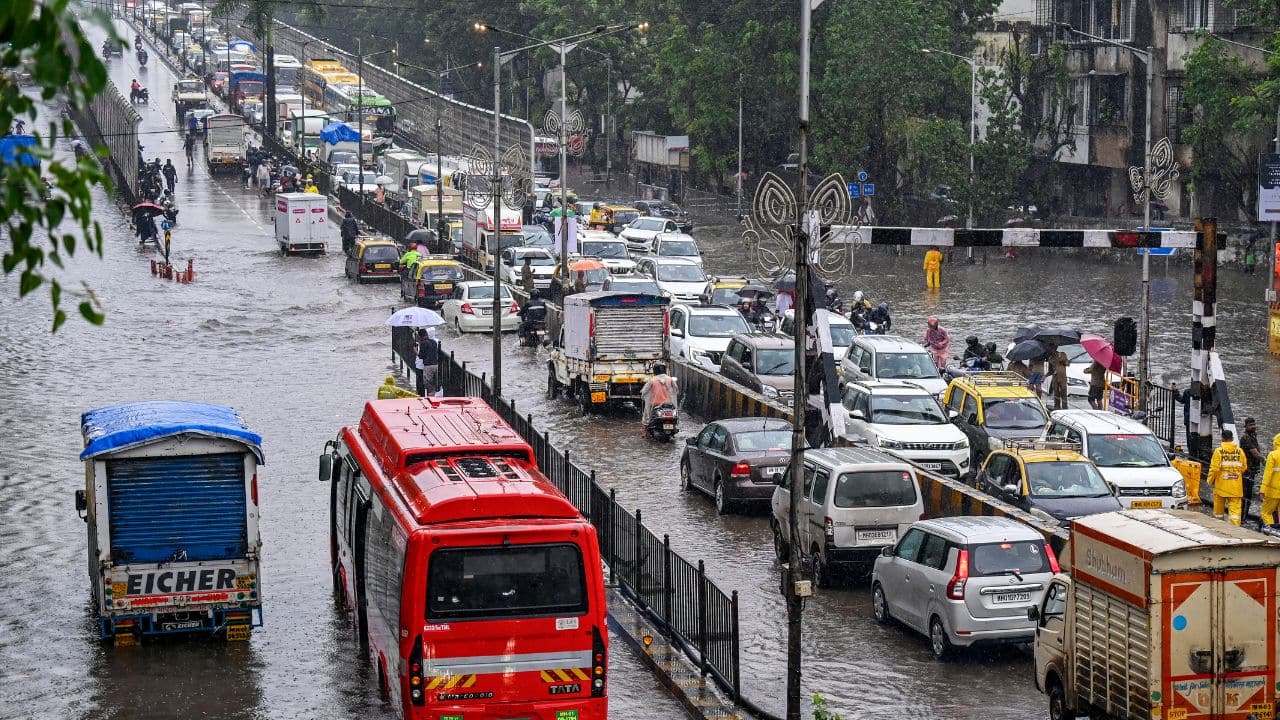
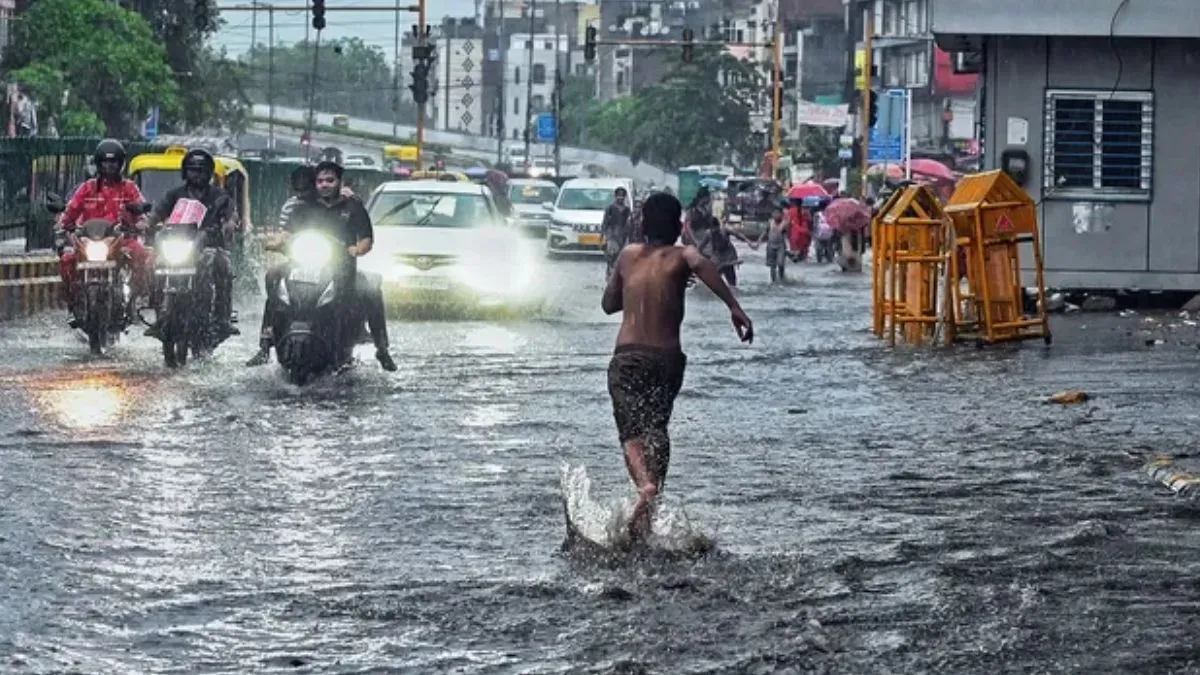
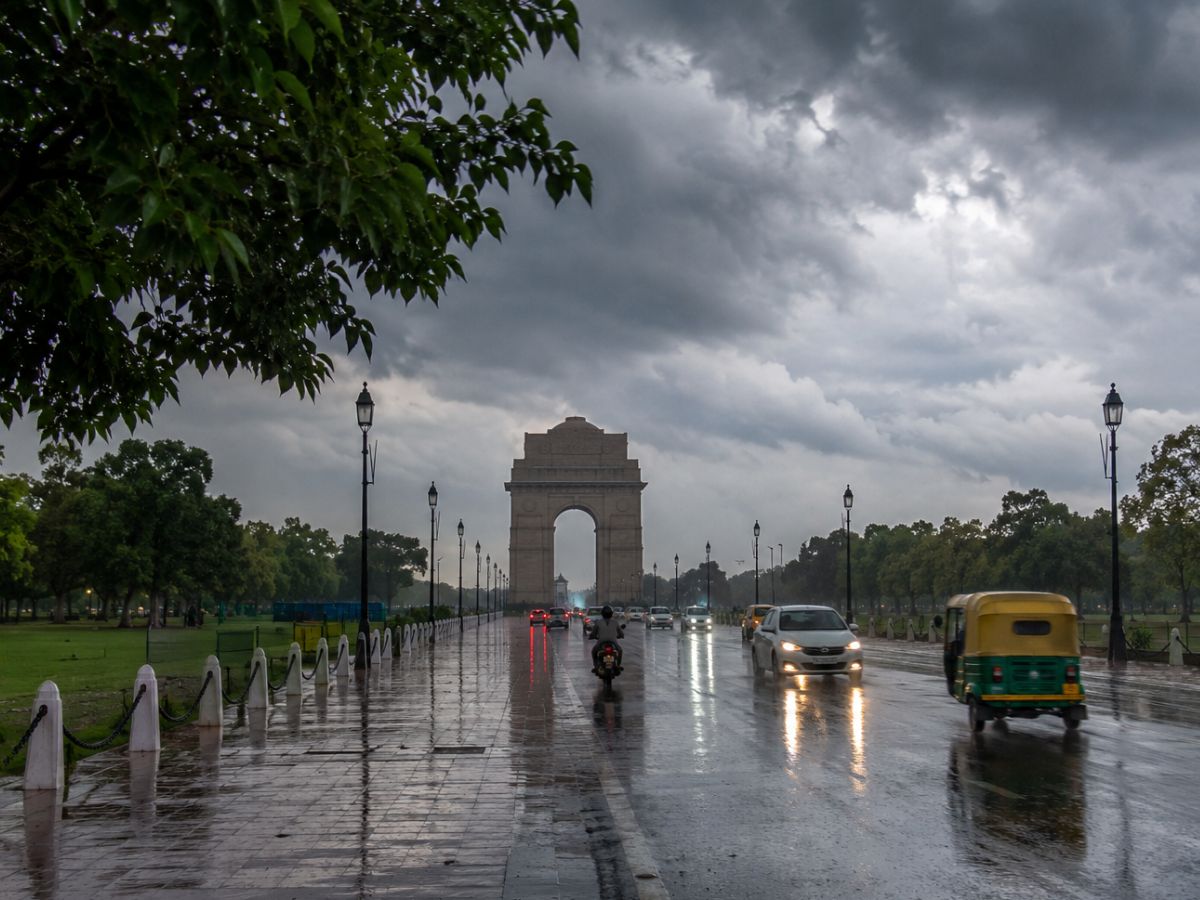
The India Meteorological Department (IMD) has released its latest regional weather update, signaling a period of intensified monsoon activity across significant portions of the Indian subcontinent. While the monsoon trough remains active, driving heavy precipitation across northern, central, eastern, and northeastern states, a notable meteorological paradox persists in the National Capital Region. Despite the surrounding atmospheric volatility, Delhi is expected to remain largely dry, characterized by persistent cloud cover rather than significant rainfall throughout the day.
Regional Atmospheric Dynamics and Precipitation Patterns
Meteorological data indicates that the moisture-laden winds from the Bay of Bengal and the Arabian Sea are converging over the central and northern plains, creating favorable conditions for widespread rainfall. In the eastern and northeastern sectors, the convergence of these currents is expected to trigger heavy to very heavy rainfall, a development that is critical for maintaining soil moisture levels in these high-output agricultural zones. In central India, the atmospheric conditions are conducive to sustained showers, which are vital for recharging local groundwater tables and supporting the current kharif cropping cycle.
The northern states, excluding the localized dry patch over Delhi, are bracing for varying intensities of rainfall. These systems are being driven by the shifting position of the monsoon trough, which currently remains south of its normal position, pulling moisture into the interior regions of the country. For meteorologists, this pattern underscores the high degree of spatial variability inherent in the Indian monsoon, where localized pressure differences can lead to stark contrasts in precipitation even within a limited geographic radius.
The Delhi Anomaly: Understanding Localized Weather Trends
The situation in Delhi serves as a case study for the complexities of urban microclimates and regional weather patterns. While the broader northern region is witnessing active monsoon conditions, the capital is experiencing a period of atmospheric stability. The lack of significant rainfall in Delhi, despite the presence of overcast skies, is attributed to the current positioning of the monsoon axis and localized wind patterns that have temporarily diverted moisture-bearing systems away from the city center.
Residents and observers may note that despite the absence of rain, the humidity levels remain high due to the cloud cover. This "dry but cloudy" phenomenon is not uncommon during the monsoon season, as the cooling effect of the clouds provides temporary respite from heat, even without the arrival of substantial precipitation. The IMD continues to monitor the region, noting that while no major downpours are anticipated in the immediate term for Delhi, the dynamic nature of the monsoon means conditions can shift rapidly as pressure gradients adjust over the coming days.
What This Means for Farmers
For the agricultural community, the IMD’s latest outlook presents a mixture of both relief and tactical necessity. In the regions earmarked for widespread rainfall, farmers should prioritize the following management strategies:
- Water Management: In areas expecting heavy rainfall, ensure that field drainage systems are clear. Excess water accumulation can lead to waterlogging, which poses a significant risk of root rot and nutrient leaching in standing crops.
- Pest and Disease Monitoring: High-humidity environments following heavy rains are prime conditions for the rapid spread of fungal pathogens and specific insect pests. Regular field scouting is essential to identify early signs of infestation and to apply necessary protective measures promptly.
- Fertilizer Application Timing: Avoid spreading nitrogen-based fertilizers immediately before predicted heavy rainfall. Excessive water can wash away applied nutrients, leading to economic loss and reduced fertilizer efficiency. It is advisable to wait for a break in the weather to ensure optimal uptake.
- Harvest and Post-Harvest Logistics: For farmers in regions where harvest has commenced or is imminent, the forecast of widespread rain necessitates the securing of harvested produce. Ensure that grain is stored in moisture-proof conditions to prevent fungal contamination and quality degradation.
- Localized Planning: Farmers in the dry pockets of the north should remain vigilant. While rain is not forecast for the immediate future, agricultural planning should still account for the possibility of rapid weather shifts. Continue to monitor local IMD bulletins to adjust irrigation schedules accordingly, as high cloud cover can reduce evapotranspiration rates even in the absence of rain.
In summary, the current weather trajectory emphasizes the importance of localized vigilance. While the broader agricultural sector stands to benefit from the moisture influx in eastern and central regions, farmers must remain adaptable, ensuring that field practices align with the specific meteorological conditions of their immediate microclimate.