
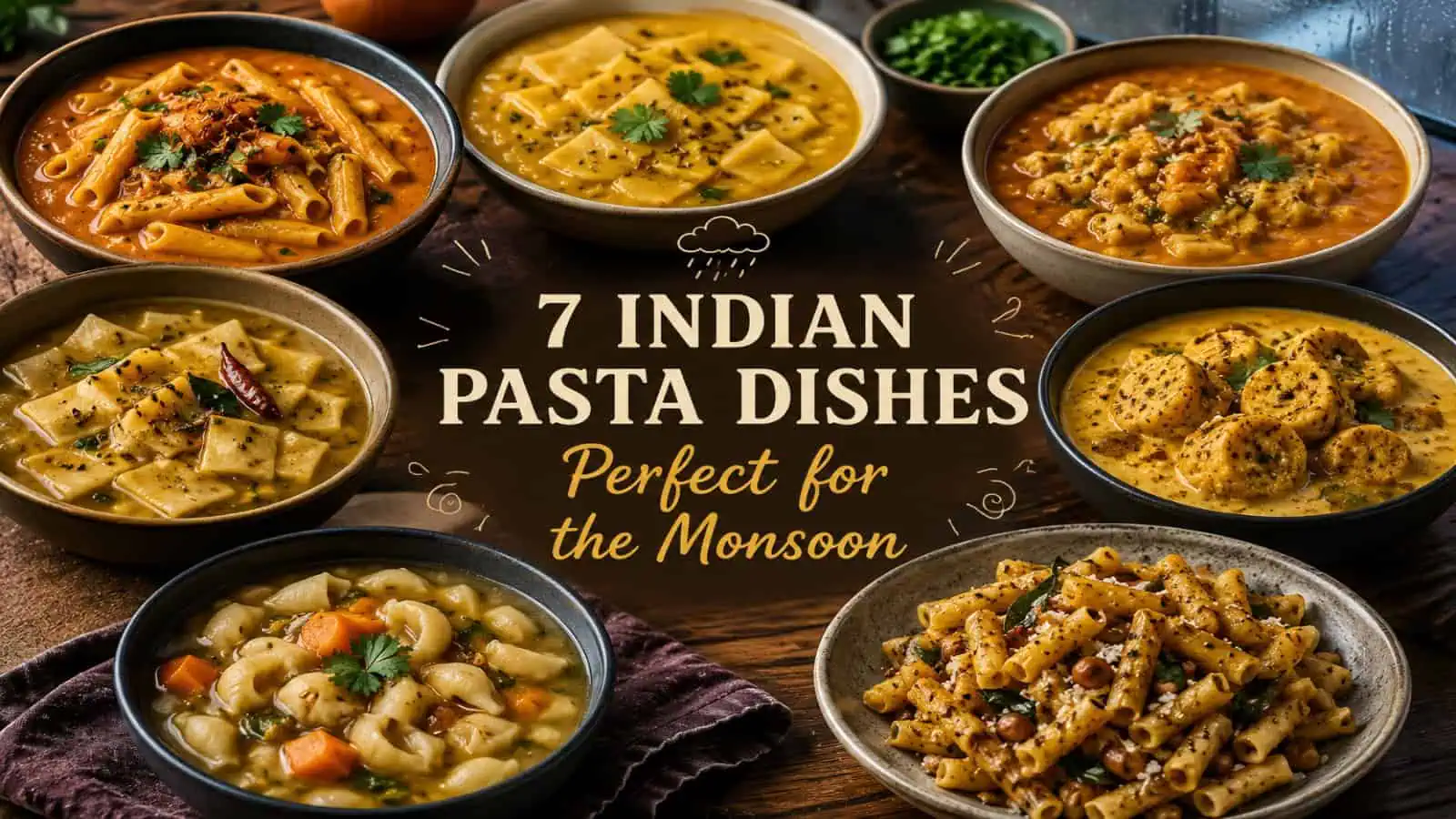
Beyond Italy: Exploring India’s Rich Heritage of Traditional Pasta-Style Dishes
When the monsoon clouds gather and the temperature drops, the culinary instinct across the Indian subcontinent shifts toward comfort—specifically, the kind of soul-warming, carbohydrate-rich dishes that provide sustenance against the damp chill. While global food culture often equates the concept of "pasta" exclusively with the Mediterranean tradition of semolina and water, India possesses a deep, nuanced history of crafting dough-based delicacies that mirror the technical principles of pasta-making. From the intricate hand-cut strips of the Deccan plateau to the rustic, finger-shaped dumplings of the northern plains, these regional staples are the true comfort food of the Indian monsoon.
These traditional preparations are not merely side dishes; they are sophisticated demonstrations of regional agronomy. By utilizing locally sourced grains such as wheat, rice flour, and millets, Indian households have long converted basic pantry staples into complex, textured meals. During the rainy season, when fresh produce can be inconsistent, these pasta-like dishes serve as the backbone of rural and urban diets alike, offering a hearty, shelf-stable solution that pairs perfectly with the legumes and spices essential to Indian seasonal cooking.
The Art of Traditional Dough Crafting
The mastery of Indian "pasta" lies in the texture and the vessel. Unlike the uniform, machine-extruded shapes found in modern supermarkets, Indian varieties are almost exclusively handmade, emphasizing a "bite" or al dente quality that holds up to prolonged simmering in broths and dals. The Hyderabadi Sutriyan, for instance, represents a pinnacle of this craft. These thin, hand-rolled strips of wheat dough are traditionally dropped into a savory, spiced dal, absorbing the earthy flavors of lentils while maintaining a distinct, chewy consistency.
Beyond the Deccan, the diversity of these dishes is a testament to regional geography. In various northern and central states, variations of finger-shaped dough pieces—often referred to as gatte or dhokli—are boiled in rich, aromatic gravies. These preparations rely on the science of gelatinization, where the starch in the dough thickens the cooking liquid, creating a naturally velvety sauce. Whether they are seasoned with carom seeds for digestion or turmeric for its anti-inflammatory properties, these dishes are designed to be both functional and deeply satisfying during the humid monsoon months.
Monsoon Resilience and Nutritional Comfort
The enduring popularity of these dishes during the monsoon is rooted in both cultural tradition and nutritional logic. As the rains disrupt supply chains and limit the availability of certain perishables, the reliance on wheat and pulse-based dishes provides a reliable source of energy. These meals are typically high in complex carbohydrates and plant-based proteins, providing the slow-release energy required to manage the cooler, wetter weather.
Furthermore, the preparation methods—boiling, steaming, and simmering—are ideal for food safety during the monsoon. By cooking the dough directly within a boiling liquid, the risk of contamination is minimized, and the resulting meal is served at high temperatures, which is a preferred practice when ambient humidity encourages bacterial growth. These dishes are a masterclass in regional food security, utilizing dried, preserved, or long-lasting ingredients that ensure a nutritious meal is always within reach, regardless of the weather conditions outside.
What This Means for Farmers
For the agricultural community, the continued appreciation of traditional pasta-like dishes represents a vital market for domestic grain production. As urban consumers increasingly rediscover heritage grains—such as indigenous wheat varieties, barley, and various millets—there is a growing opportunity for farmers to command premium prices for high-quality, non-GMO, and heirloom crops.
- Market Diversification: Farmers who focus on processing their own grain into flour or value-added products can tap into the rising demand for "farm-to-table" traditional ingredients. There is a clear market niche for stone-ground, unadulterated flours that offer superior texture for handmade doughs.
- Crop Resilience: The reliance on these traditional dishes encourages the cultivation of diverse pulse varieties (dals) and wheat, which are essential for soil health and crop rotation. By promoting the culinary value of these crops, farmers can advocate for policies that support the cultivation of indigenous grains over water-intensive, high-input commodity crops.
- Value-Added Potential: There is significant economic potential in the "ready-to-cook" segment. Small-scale agricultural enterprises can develop pre-portioned, dry-mix kits for regional pasta dishes, catering to the busy urban demographic that craves traditional flavors but lacks the time to hand-roll dough from scratch.
- Economic Stability: By strengthening the supply chain for traditional, shelf-stable staples, farmers can create a more predictable income stream that is less susceptible to the volatility of perishable produce markets, especially during the challenging monsoon season.


