Soft Power on the Screen: The Soviet Strategy to Captivate Indian Audiences
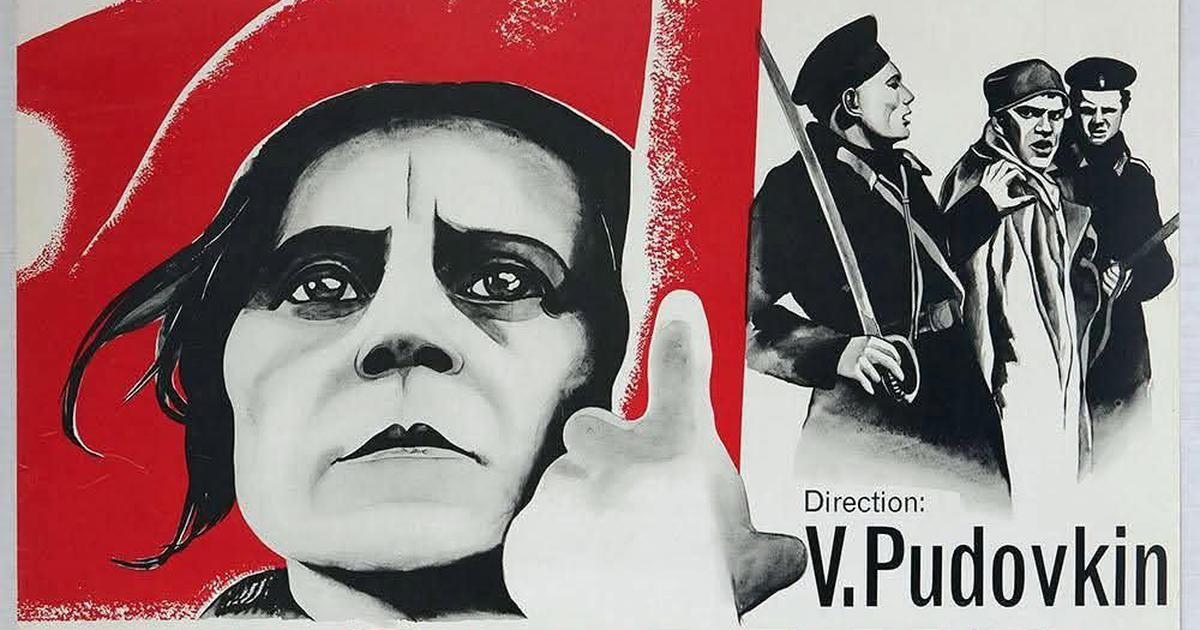
During the height of the Cold War, the geopolitical struggle between global superpowers often played out in unexpected arenas, far removed from the halls of diplomacy or the theater of military expansion. One of the most intriguing fronts in this ideological contest was the projection of cultural influence through the medium of cinema. In 1968, the Soviet Union launched an ambitious film retrospective across India, aiming to introduce Soviet cinematic classics to regional audiences. This initiative was a calculated move by Moscow to counter the pervasive reach of Hollywood, seeking to forge a cultural bridge between the socialist bloc and the burgeoning post-colonial identity of the Indian public.
The retrospective was not merely a collection of screenings; it was a sophisticated exercise in soft power. By bringing films that depicted themes of industrial progress, rural collectivism, and the triumph of the human spirit over adversity, Soviet officials hoped to resonate with Indian viewers who were navigating their own path toward national development. For Moscow, the objective was clear: to present the Soviet Union not as a distant, intimidating nuclear power, but as a culturally rich nation whose values and historical struggles mirrored those of a newly independent India.
The Mechanics of Cultural Diplomacy
The 1968 retrospective was characterized by its reach, extending well beyond the metropolitan hubs of Delhi, Mumbai, and Kolkata. By targeting smaller towns and regional centers, the Soviet cultural apparatus bypassed the traditional urban intelligentsia to engage directly with the agricultural and working-class populations. This strategy was rooted in the understanding that the "American Dream," as exported through Hollywood blockbusters, stood in stark contrast to the narratives of communal resilience that the Soviet state promoted.
The selection of films was meticulously curated. Soviet filmmakers, known for their mastery of montage and narrative depth, provided a stark alternative to the fast-paced, individualistic tropes favored by American studios. These films often highlighted the dignity of labor, the importance of communal cooperation, and the romanticization of the rural landscape—themes that held significant relevance for India’s massive agrarian population. By providing dubbed versions and hosting screenings in local community halls, the Soviet mission ensured that the language barrier did not impede the transmission of their ideological messaging. This effort was supported by a network of cultural societies that facilitated discussions, helping to contextualize Soviet life for local audiences who had little prior exposure to Eastern European social structures.
Hollywood vs. The Red Star: A Competition for Mindshare
At the time of this retrospective, Hollywood had already established a dominant footprint in the Indian entertainment market. The glamour and technical polish of Western films provided a seductive vision of modernity that appealed to a rising middle class. Moscow’s challenge was to offer a competing vision of modernity—one that was grounded in state-led industrialization and social equality rather than consumer capitalism.
The Soviet approach relied heavily on the prestige of its film schools and the critical acclaim its directors had garnered globally. By positioning their cinema as high art, the Soviets attempted to capture the respect of the Indian academic and artistic communities, hoping that this intellectual endorsement would trickle down to the broader public. While the commercial dominance of Hollywood remained largely unshaken, the 1968 retrospective left a distinct mark on the Indian cultural landscape. It fostered a generation of Indian cinephiles who viewed the Soviet Union through a lens of artistic appreciation, creating a unique cultural affinity that persisted long after the films themselves had left the projectors.
What This Means for Farmers
While the 1968 retrospective may seem like a distant historical footnote, it serves as a powerful reminder of how cultural narratives can influence economic and social priorities. For the farming community, the legacy of this era highlights the importance of how rural life is represented in the media and how such representations can shape government policy and public perception.
Practical Implications and Lessons for Today:
- The Power of Narrative: The Soviet effort demonstrated that how agriculture and rural life are portrayed—whether as a backward struggle or a noble, foundational endeavor—can significantly impact the social status of farmers. When farmers see their own challenges reflected in media, it fosters a sense of collective identity and political agency.
- Market Diversification: Just as the Soviet Union sought to enter the Indian market with a "different product" to challenge the established Hollywood monopoly, farmers today face a globalized market where identifying unique value propositions is key. Diversifying the narrative around agricultural produce—emphasizing sustainability, local heritage, and community impact—can be as important as the quality of the crop itself.
- Information and Influence: The 1968 initiative underscores the vulnerability of rural audiences to external cultural and economic influences. Farmers should remain critical consumers of global market narratives, recognizing that international interests often use cultural outreach to pave the way for broader economic or technological adoption.
- Community Engagement: The success of the Soviet outreach in reaching regional towns highlights that direct, grassroots engagement is the most effective way to communicate complex ideas. For farmers’ organizations, this remains a timeless lesson: building local networks and sharing stories within one’s own community is the best defense against external pressures and the most effective tool for driving internal progress.