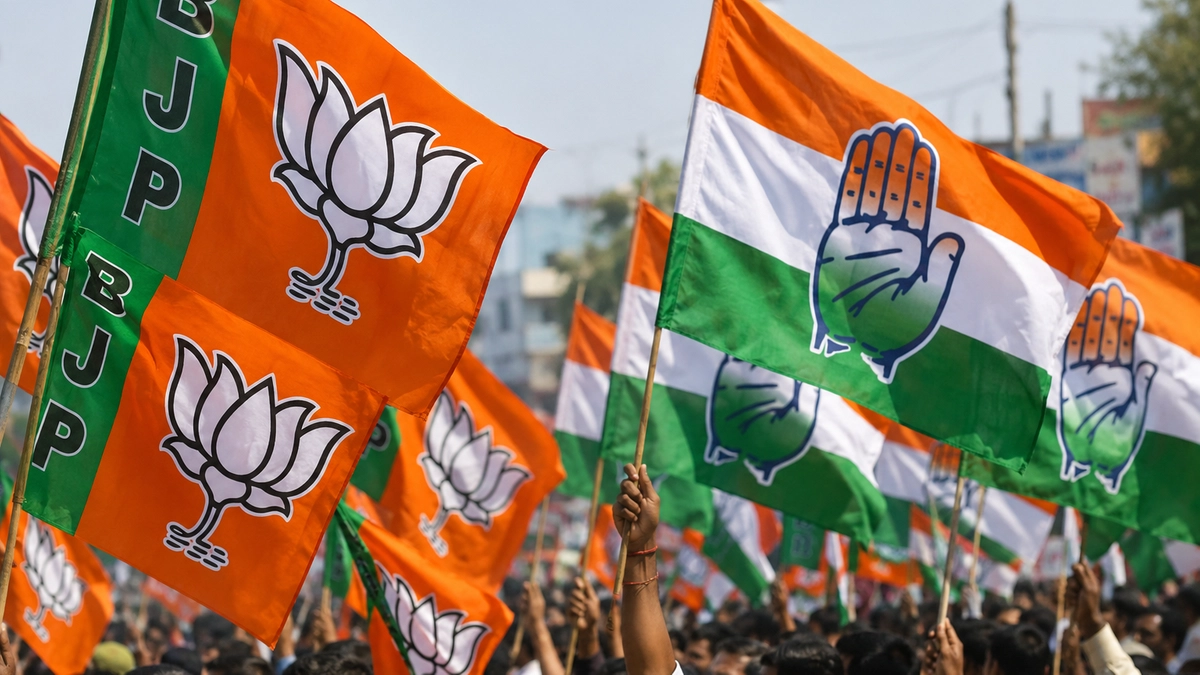
Farmers’ Panel Secures Victory in Bardoli Sugar Factory Elections
In a significant political shift within the cooperative sector, a farmers’ panel has successfully ended the 20-year dominance of the Bharatiya Janata Party (BJP) over the iconic Bardoli sugar factory in Gujarat. The results of the recent factory elections indicate a major change in leadership for the institution, which has long been a focal point of regional cooperative politics.
Election Results and Shift in Power
According to reports, the election process saw a decisive outcome in favor of the farmers’ panel. The group secured 14 out of the 15 available seats, effectively unseating the representatives associated with the BJP. This victory marks the conclusion of two decades of control held by the party over the cooperative sugar factory.
The outcome highlights a notable transition in the governance of the cooperative, which is widely recognized as an iconic entity within the state of Gujarat. The following points summarize the key aspects of the election:
- Total seats contested: 15
- Seats won by farmers’ panel: 14
- Duration of previous control: 20 years
- Organization affected: Bardoli sugar factory
Understanding the Context of the Bardoli Sugar Factory
The Bardoli sugar factory functions as a cooperative, a model of business organization where the entity is owned and operated by the members who utilize its services. In the context of sugar cooperatives in India, these organizations are often central to the local economy and regional political landscape. The governance of such factories is typically determined through periodic elections, where members vote for the board of directors who oversee operations.
The 20-year period of BJP control had established the party as the primary influence in the factory’s decision-making processes. The recent electoral success of the farmers’ panel represents a departure from this established pattern, signaling a change in the internal political alignment of the cooperative’s leadership.
Significance of the Cooperative Election
Cooperative elections in India, particularly those involving major industrial units like sugar factories, are frequently viewed as indicators of grassroots political sentiment. The victory of the farmers’ panel in this instance suggests a shift in the preferences of the voting members who participate in the factory’s management.
While the report from Mathrubhumi English focuses on the numerical outcome of the vote, the result itself serves as a clear indicator of the changing dynamics within one of Gujarat’s most prominent cooperative institutions. As the new panel takes charge, the focus will likely shift toward the future management and operational policies of the factory under its new leadership.