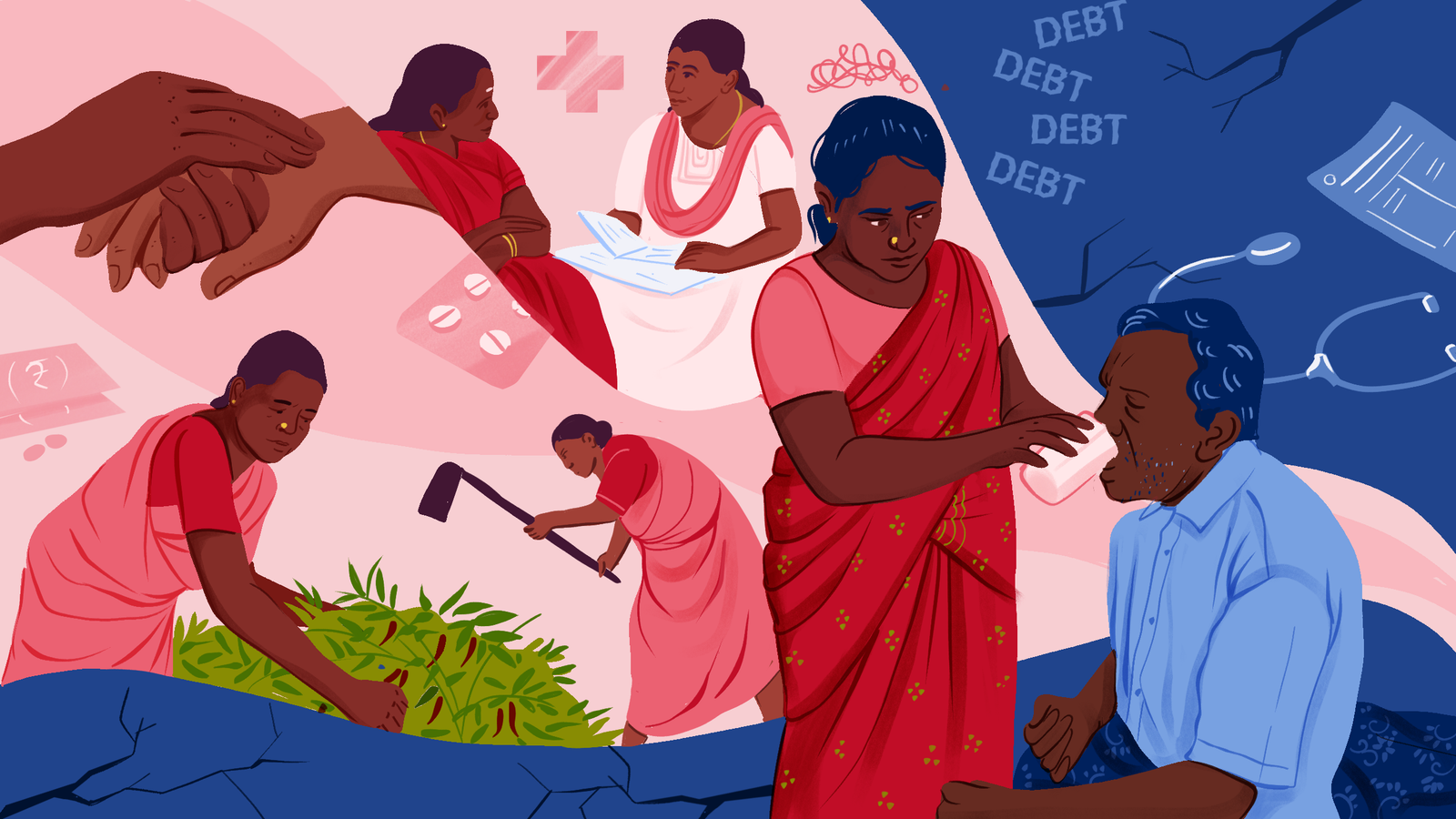
The Silent Crisis: Examining the Unseen Burden of Caregiving in Farming Households
Across the agricultural landscape, the backbone of the family farm has long been recognized as the resilience and dedication of its women. However, a quiet, pervasive crisis is unfolding behind the farmhouse doors—one that rarely appears on balance sheets or in yield reports. As mental health challenges become increasingly prevalent in rural communities, the responsibility for managing these complex conditions is falling disproportionately on women. From mothers and wives to daughters and sisters, these caregivers are finding their own livelihoods, physical health, and professional aspirations consumed by the relentless demands of domestic caregiving.
The role of the rural woman has traditionally been multi-faceted, encompassing field labor, administrative management, and household oversight. When mental illness enters the family dynamic, this already heavy workload expands to include the role of primary health advocate, crisis manager, and constant companion. The expectation to provide this care is often rooted in deep-seated cultural norms that position women as the natural nurturers of the family, leaving little room for these individuals to prioritize their own well-being or economic autonomy.
The Erosion of Livelihood and Personal Autonomy
The economic impact of caregiving on women in agricultural settings is profound and often irreversible. For many, the necessity of providing constant supervision or emotional support for a family member living with mental illness forces a withdrawal from the workforce. Whether it involves stepping back from active farm management, abandoning off-farm employment, or shuttering small-scale entrepreneurial ventures, the loss of independent income is a common consequence. This shift not only threatens the immediate financial stability of the household but also diminishes the woman’s future social security and retirement prospects.
Beyond the financial toll, there is a significant degradation of time as a resource. The unpredictability of mental health crises means that caregivers are frequently on call twenty-four hours a day, seven days a week. This "always-on" state leads to chronic fatigue, persistent stress, and a phenomenon often described as caregiver burnout. In a sector where physical stamina is essential for daily operations, this mental and emotional depletion can lead to increased risks of accidents, illness, and a decline in overall cognitive health, effectively sidelining the very individuals who are essential to the farm’s operational continuity.
Navigating Stigma and the Lack of Rural Support Systems
The challenges faced by these caregivers are exacerbated by the unique geography of rural life. In many farming communities, mental health remains a stigmatized subject, leading to silence and isolation. When a family member struggles with mental illness, the impulse to protect the family’s reputation often leads to secrecy. This isolation forces women to navigate the complexities of the healthcare system—which is frequently under-resourced in rural areas—entirely on their own.
Furthermore, the scarcity of specialized mental health services in remote regions means that caregivers are often forced to travel long distances for treatment, adding travel costs and further time away from the farm to their already overburdened schedules. The lack of respite care services means that there is rarely a moment of relief, creating a cycle of exhaustion that is difficult to break. Without formal support systems, the burden remains privatized, hidden within the home, and viewed as a personal duty rather than a public health issue that requires collective intervention.
What This Means for Farmers
The recognition of this burden is not merely a social necessity; it is an economic imperative for the agricultural industry. When the primary caregivers in a farming family are pushed to the brink of collapse, the entire farm enterprise is at risk. To mitigate these impacts, agricultural communities and policy makers must consider the following:
- Prioritize Respite Resources: Farmers and their families should advocate for the expansion of mobile health clinics and community-based respite programs that allow caregivers to take necessary breaks without fear of leaving their family members unsupported.
- Economic Planning: Families should engage in transparent conversations regarding the financial impact of caregiving. This includes formalizing the value of care work in the farm’s business plan and exploring insurance or disability support options that might alleviate the financial strain caused by the loss of off-farm income.
- Breaking the Stigma: Open dialogue within farming cooperatives and community organizations is essential. Normalizing conversations about mental health can reduce the isolation experienced by caregivers and encourage the sharing of resources and support networks.
- Self-Care as Professional Responsibility: Caregivers must be encouraged to view their own mental and physical health as a critical farm asset. Neglecting one’s own health to prioritize others is unsustainable and ultimately harmful to the long-term viability of the farm. Seeking professional assistance for oneself is not a sign of weakness, but a strategic decision to ensure the farm’s stability.