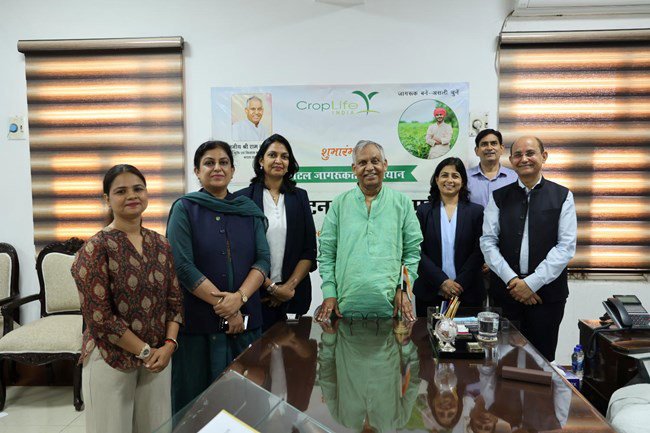
Digital Campaign Launched to Safeguard Farmers Against Illicit Pesticides
In a significant move to bolster agricultural integrity and ensure the safety of the farming community, Hon’ble Minister Shri Ramnath Thakur has officially inaugurated a large-scale digital campaign aimed at protecting farmers from the risks associated with spurious and illicit crop protection products. Spearheaded by CropLife India, the initiative spans 13 states and is designed to reach an expansive network of over 2.5 million farmers. This campaign marks a pivotal shift toward leveraging digital infrastructure to bridge the information gap in rural markets, empowering growers to make informed decisions regarding their crop health management strategies.
The launch ceremony, presided over by Minister Thakur, underscored the government's commitment to ensuring that agricultural inputs meet stringent quality standards. As modern farming becomes increasingly complex, the reliance on high-quality inputs is essential to maintaining yield stability and food security. By integrating digital literacy with agricultural extension services, the initiative seeks to create a robust defense mechanism against the proliferation of substandard pesticides that threaten both crop yields and environmental health.
Combating the Proliferation of Counterfeit Inputs
The illicit trade of pesticides remains a persistent challenge in the agricultural sector, often resulting in severe economic losses for farmers and long-term damage to soil health. These counterfeit products, which lack the rigorous testing and regulatory approval of genuine formulations, can lead to widespread crop failure, the development of pest resistance, and the accumulation of hazardous residues in the food supply chain. The new digital campaign aims to tackle these issues head-on by providing farmers with the tools to verify the authenticity of their purchases.
Through a series of interactive digital modules, the campaign provides step-by-step guidance on identifying authorized packaging, verifying batch numbers, and recognizing the security features that distinguish genuine products from illicit alternatives. By utilizing mobile technology, the program ensures that farmers in remote regions have access to real-time information, effectively bypassing the misinformation often spread by unregulated vendors. This effort is complemented by educational content on the importance of purchasing from licensed dealers, thereby strengthening the formal supply chain and fostering a more transparent marketplace.
Promoting Stewardship and Responsible Application Practices
Beyond the identification of genuine products, the initiative places a heavy emphasis on the principles of responsible crop protection. Safety is a critical component of the campaign, with dedicated outreach efforts focused on the correct handling, mixing, and application of pesticides. Given the potential risks associated with improper pesticide use, the campaign provides comprehensive training on the use of personal protective equipment (PPE), the importance of adhering to label instructions, and the necessity of observing pre-harvest intervals to ensure consumer safety.
The campaign also highlights the environmental stewardship aspect of modern agronomy. By encouraging the judicious use of pesticides—applying the right product, at the right time, and in the right dose—the initiative seeks to minimize the ecological footprint of farming operations. This holistic approach not only protects the health of the farmer and the consumer but also preserves the biodiversity of the local ecosystem, ensuring that agricultural practices remain sustainable for future generations.
What This Means for Farmers
For the farming community, this digital initiative serves as a crucial line of defense against the economic and safety risks posed by illicit agricultural inputs. Farmers should consider the following actionable steps to maximize the benefits of this campaign:
- Verify Before Buying: Utilize the digital verification tools introduced by the campaign to confirm that all pesticides are sourced from authorized dealers and carry valid regulatory documentation.
- Prioritize Safety: Adopt the recommended safety practices, including the consistent use of protective gear during application, to mitigate the risk of accidental exposure.
- Consult Extension Services: Leverage the digital resources provided to stay updated on best practices for integrated pest management, which can reduce reliance on chemical inputs over time.
- Report Suspected Fraud: Farmers are encouraged to use the provided digital channels to report instances of counterfeit product sales, helping authorities dismantle illicit supply networks.
- Economic Impact: By investing in genuine, high-quality inputs, farmers can expect more predictable crop performance, reduced risk of resistance-related yield loss, and better access to premium markets that prioritize high-quality, residue-compliant produce.
By embracing these digital resources, farmers can gain greater control over their production quality, ultimately leading to improved profitability and a more secure agricultural future. The collaboration between the Ministry and industry bodies represents a transformative step toward a safer, more transparent, and highly productive agricultural landscape.