
Monsoon Outlook: Heavy Rainfall Expected Across India
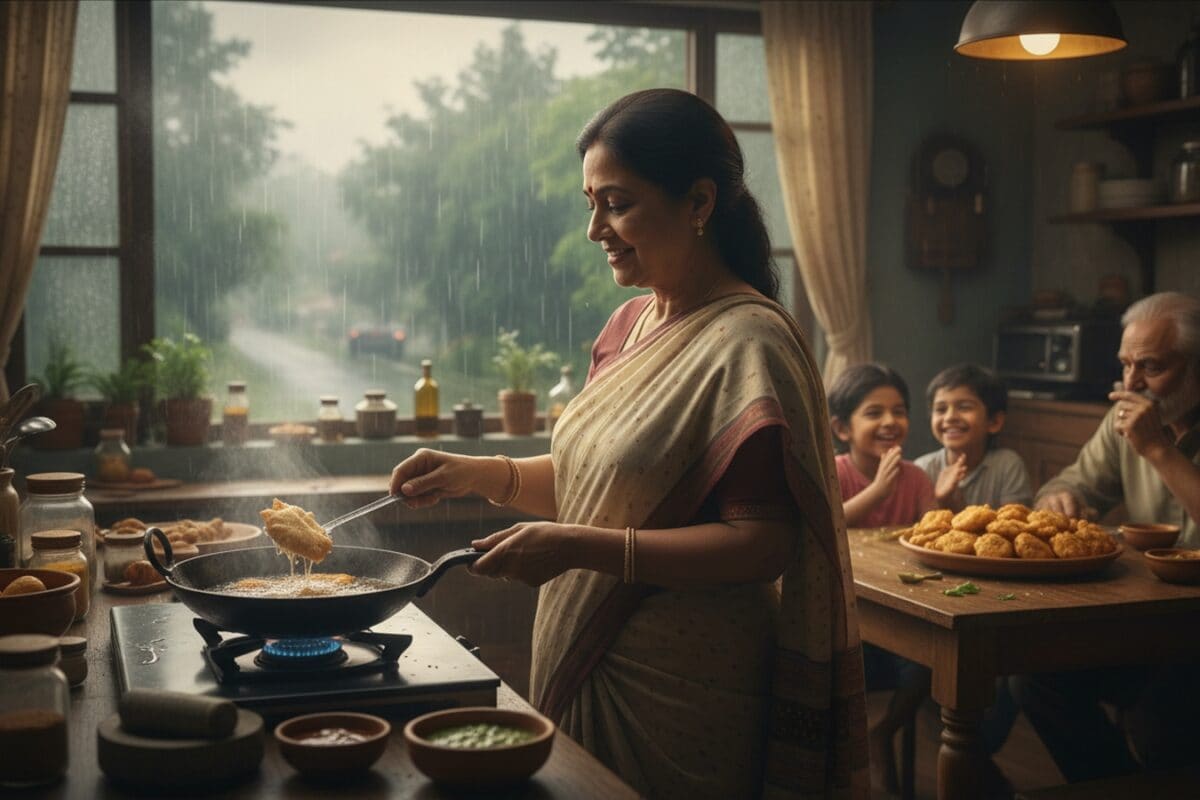
As the monsoon season intensifies across the Indian subcontinent, the India Meteorological Department (IMD) has issued alerts for widespread heavy rainfall across several regions. For the agricultural sector, these weather patterns are critical, signaling a shift in soil moisture levels and influencing crop management strategies for the ongoing Kharif season. While farmers remain focused on the potential impacts of sustained precipitation on standing crops, the onset of the rains traditionally signals a cultural shift in household habits, often centering on the culinary traditions that define the monsoon season.
Beyond the fields, the arrival of the rains brings a notable change in consumer behavior. As outdoor activities become restricted, the domestic sphere becomes the focus of activity, leading to a surge in demand for comfort foods. While traditional staples like onion pakoras and aloo bhajiyas remain perennial favorites, a growing trend among home cooks suggests a desire for greater culinary diversity during the wetter months. By diversifying home-cooked snack options, households can embrace the seasonal ambiance while maintaining control over ingredient quality and nutritional value.
Beyond the Traditional: Elevating Monsoon Culinary Traditions
The cultural association between heavy rainfall and fried snacks is deeply rooted in the need for warmth and sensory comfort during cooler, damp weather. However, relying solely on the standard repertoire of deep-fried vegetable fritters can lead to culinary fatigue. Experts in home nutrition suggest that the monsoon is an ideal time to experiment with textures and flavors that complement the humid environment. By shifting focus toward snacks that utilize regional grains, pulses, and seasonal produce, households can create a more balanced approach to indulgence.
To diversify your monsoon menu, consider these five alternatives to the conventional potato and onion fritters:
- Spiced Corn Ribs: Utilizing the fresh maize currently being harvested in many regions, corn ribs offer a satisfying crunch. Seasoned with local chili powders and chaat masala, they provide a modern twist on a classic farm-to-table ingredient.
- Mixed Lentil Vada: Moving away from simple vegetable batter, these vadas use a base of soaked moong or chana dal. The high protein content makes them more satiating than standard flour-based snacks, providing sustained energy during the damp, lethargic afternoons.
- Stuffed Mirchi Bites: Using larger, milder chili peppers stuffed with a tangy mixture of spiced potatoes or paneer, these provide a sophisticated depth of flavor compared to standard vegetable bhajiya.
- Crispy Spinach and Chickpea Clusters: By lightly coating fresh, monsoon-grown spinach leaves in a seasoned chickpea flour (besan) batter, you achieve a lighter, crispier texture that retains its crunch longer than heavier potato-based fritters.
- Sweet Potato Wedges: For a nutrient-dense alternative, roasted or lightly fried sweet potato wedges dusted with Himalayan pink salt and black pepper offer a natural sweetness that pairs perfectly with the earthy scent of rain-soaked soil.
What This Means for Farmers
While the focus on home cooking may seem detached from the agricultural supply chain, it represents a significant opportunity for producers. The seasonal shift in consumer demand directly influences the market for specific crops, particularly pulses, spices, and leafy greens. As households pivot their cooking habits toward more diverse ingredients, local farmers who can supply high-quality, fresh produce—such as fresh corn, spinach, and high-grade lentils—stand to benefit from localized market demand.
For the farming community, the practical takeaways from this shift include:
- Market Diversification: Farmers should monitor local culinary trends. As consumers look for variety beyond staples, there is an increased demand for niche vegetables and pulses that can be sold through direct-to-consumer channels or local farmer cooperatives.
- Value-Addition Opportunities: The trend toward home-made snacks highlights a broader interest in "farm-fresh" ingredients. Farmers who process their own pulses into high-quality flours or package fresh, seasonal produce for local markets can capture a higher share of the consumer rupee.
- Strategic Crop Planning: Understanding the seasonal surge in demand for specific ingredients allows farmers to better align their planting cycles. By ensuring that crops like chilies, seasonal greens, and pulses are ready for market during the peak monsoon months, producers can capitalize on the elevated consumer interest in home-cooked, ingredient-focused meals.
Ultimately, the monsoon remains a time of both challenge and opportunity. While the heavy rains dictate the pace of agricultural work, they also foster a unique environment where the connection between the farm and the kitchen is strengthened. By staying attuned to these shifting consumer preferences, the agricultural community can continue to play a central role in the lives of households across the country, providing the essential ingredients that make the monsoon season both productive and memorable.


